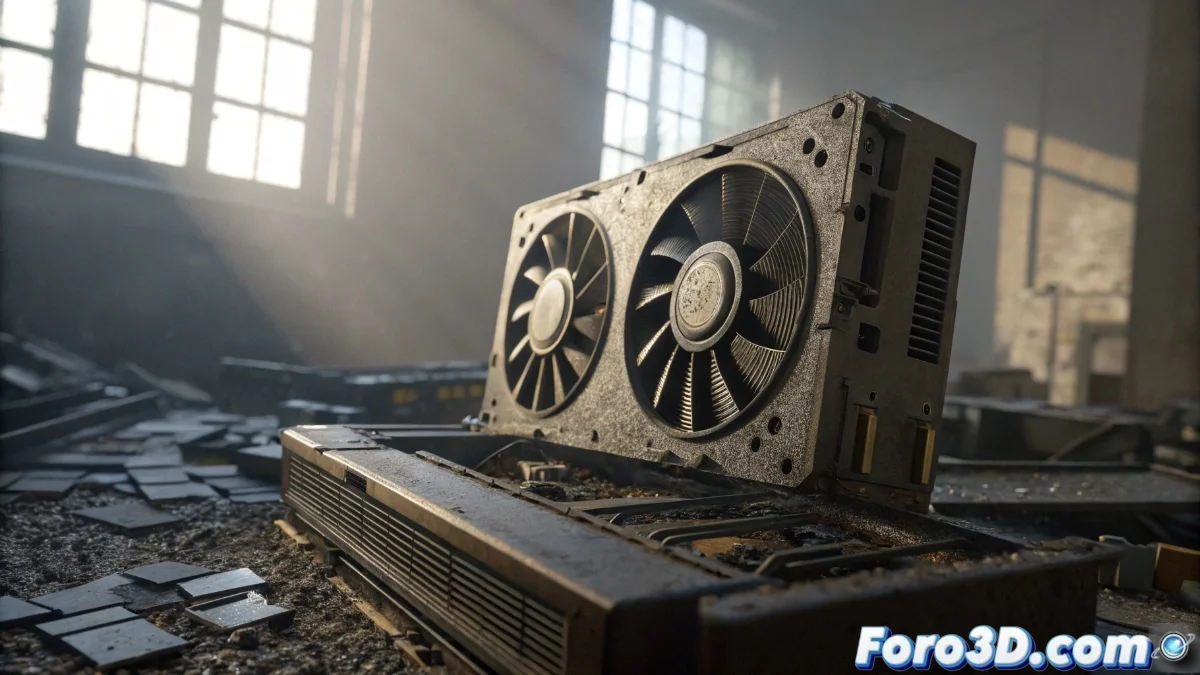
Planned Obsolescence in NVIDIA and AMD Graphics Cards
Planned obsolescence becomes evident when manufacturers like NVIDIA and AMD decide to discontinue driver support for older models, preventing users from accessing optimizations for recent video games and security patches. This practice not only reduces performance in modern applications but also exposes systems to vulnerabilities, forcing users to consider acquiring new hardware even though the equipment remains fully functional. 🔄
Consequences for Performance and Security
Without regular driver updates, older graphics cards lose efficiency when running emerging technologies like ray tracing or compute shaders, resulting in inferior performance in everyday tasks and video games. Additionally, the absence of security patches leaves systems exposed to external threats, creating an environment where hardware becomes obsolete not due to physical failures, but due to corporate decisions. Users frequently report errors and incompatibilities that could be resolved with ongoing support, highlighting how this strategy affects the product longevity.
Key problems reported by users:- Inability to efficiently run modern technologies in games and applications
- Exposure to security vulnerabilities due to lack of patches
- Incompatibilities and errors that could be resolved with ongoing support
Buying a graphics card is like adopting a pet: you expect it to last years, but in the end it has a hidden expiration date and you end up burying it in the drawer of technological memories.
Alternatives and Consumer Awareness
Facing this situation, the user community seeks alternatives such as third-party drivers or open-source solutions to extend the lifespan of their graphics cards, although these options carry risks and do not always offer the same level of compatibility. It is crucial for consumers to be informed about NVIDIA and AMD's support policies when making purchases, prioritizing manufacturers that offer longer update cycles to maximize their investment. Collective pressure can influence companies to reconsider their practices, promoting a more sustainable approach in the technology industry.
Strategies for users:- Research driver support policies before acquiring graphics hardware
- Consider open-source solutions or third-party drivers, evaluating their risks
- Participate in community initiatives to pressure manufacturers toward more sustainable practices
Final Reflection on Technological Sustainability
Planned obsolescence in graphics cards underscores the need for a shift toward more sustainable models in the technology industry. Users must be aware of these practices when making purchasing decisions, while collective pressure can drive manufacturers like NVIDIA and AMD to extend support and reduce environmental impact. Ultimately, it is about balancing innovation with responsibility toward consumers and the environment. 🌱