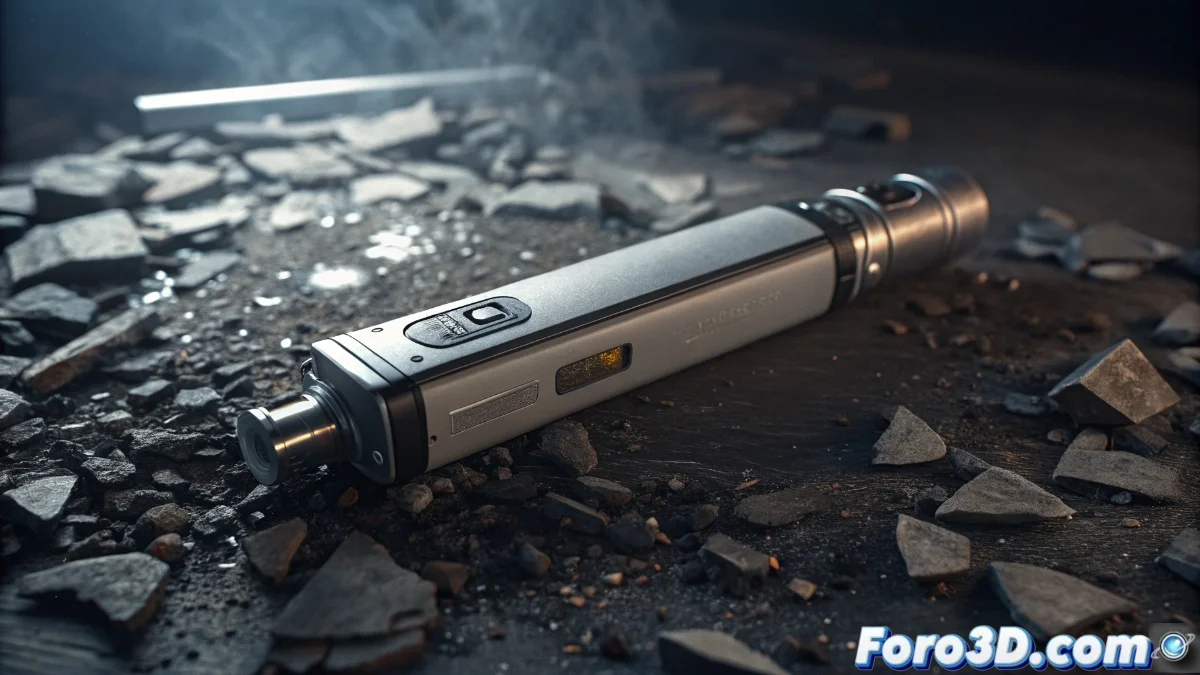
Planned Obsolescence in Electronic Cigarettes and Vapes
Planned obsolescence is a common practice in numerous vaping devices, especially those with permanently integrated batteries. These devices are designed with a limited lifespan, where the central element, the lithium-ion battery, suffers progressive deterioration with each recharge. Once its capacity is depleted, the user cannot replace it, being forced to throw away the entire device and buy a new one, perpetuating a cycle of consumption and electronic waste. 📱➡️🗑️
The Inevitable Cycle of Battery Degradation
The battery constitutes the core of these gadgets and their main point of failure. Over time and with continued use, its ability to store energy decreases steadily, a natural phenomenon that intensifies due to repeated charge and discharge cycles. In models with non-removable batteries, this wear is not something that can be fixed, but a death sentence for the entire device. The user notices decreasing autonomy until the device becomes unusable, driving its replacement even when parts like the tank or atomizer remain operational. 🔋⏳
Factors that accelerate degradation:- Frequent charge and discharge cycles that reduce battery lifespan
- Inability to replace the battery in devices with sealed design
- Progressive loss of energy capacity that renders the device useless
You buy a device to quit a polluting habit and end up fostering a new form of pollution due to a design that celebrates its own planned end.
Economic and Environmental Consequences
This design strategy entails a double adverse impact. For the consumer, it implies periodic spending, as they must acquire a new device regularly, often in less than two years. For the environment, the result is an increase in electronic waste, where complex artifacts with plastics, metals, and toxic circuits end up in landfills. This commercial approach prioritizes recurrent sales over longevity and ecology, generating a continuous flow of waste that could be avoided with more repairable designs and interchangeable batteries. 💸🌍
Key negative effects:- Recurrent cost for the user due to the need to replace devices frequently
- Accumulation of electronic waste with polluting components in landfills
- Lack of sustainability in designs that avoid repair and promote disposal
Final Reflection on the Modern Paradox
In summary, planned obsolescence in electronic cigarettes and vapes creates a paradoxical situation where a product intended to reduce a harmful habit ends up contributing to a greater environmental problem. The inability to replace key components like batteries forces a cycle of consumption and disposal that harms both the user's wallet and the planet. Advocating for repairable and sustainable designs is crucial to break this vicious circle and minimize ecological impact. 🔄🌱