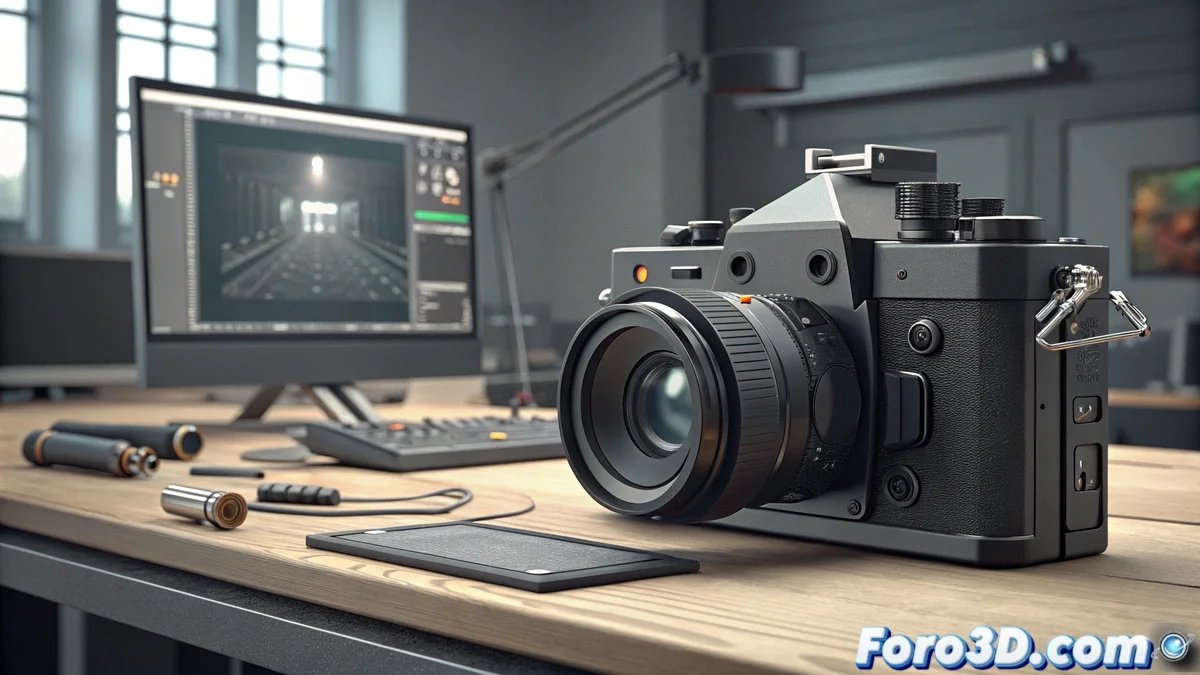
Planned Obsolescence in Digital Cinema Cameras
The digital cinema sector advances so quickly that equipment with sensors and bodies in perfect condition becomes obsolete. Brands like RED, Arri, and Blackmagic frequently launch new models, introducing more efficient recording formats. This creates a cycle where the hardware doesn't fail, but the surrounding technological ecosystem surpasses it. 🎬
Firmware Dictates Lifespan
A decisive factor is software support. Older cameras stop receiving updates that allow recording in new compression formats. These modern codecs generate lighter files without sacrificing visual quality. Owners of previous models are forced to use codecs that are now heavy and impractical for integration into agile workflows.
Consequences for the user:- Inability to access more efficient compression formats.
- Final files of large size that complicate storage and processing.
- A technological gap imposed by the manufacturers' commercial strategy.
The user faces a physical bottleneck: a robust camera that records in a format few want to process.
The Problem Worsens with Storage
The situation worsens with recording media. Formats like CFast or early generations of CFexpress stop being manufactured. Finding these cards becomes difficult and their price skyrockets. Investing in technology abandoned by the rest of the industry is not viable for many professionals.
Limitations of old media:- Insufficient write speed for demanding recording modes, such as high resolution or high frame rates.
- High cost per gigabyte compared to current standards.
- Difficulty finding new and guaranteed stock.
A Future of Disposable Hardware
The result is a park of cameras that are functional but incompatible. They can produce high-quality images, but the resulting file is a digital mammoth. This forces creators to consider updating equipment not for capacity, but for compatibility. The industry prioritizes innovating in new products over maintaining old ones, a model that defines the real lifespan of the equipment. 🤖