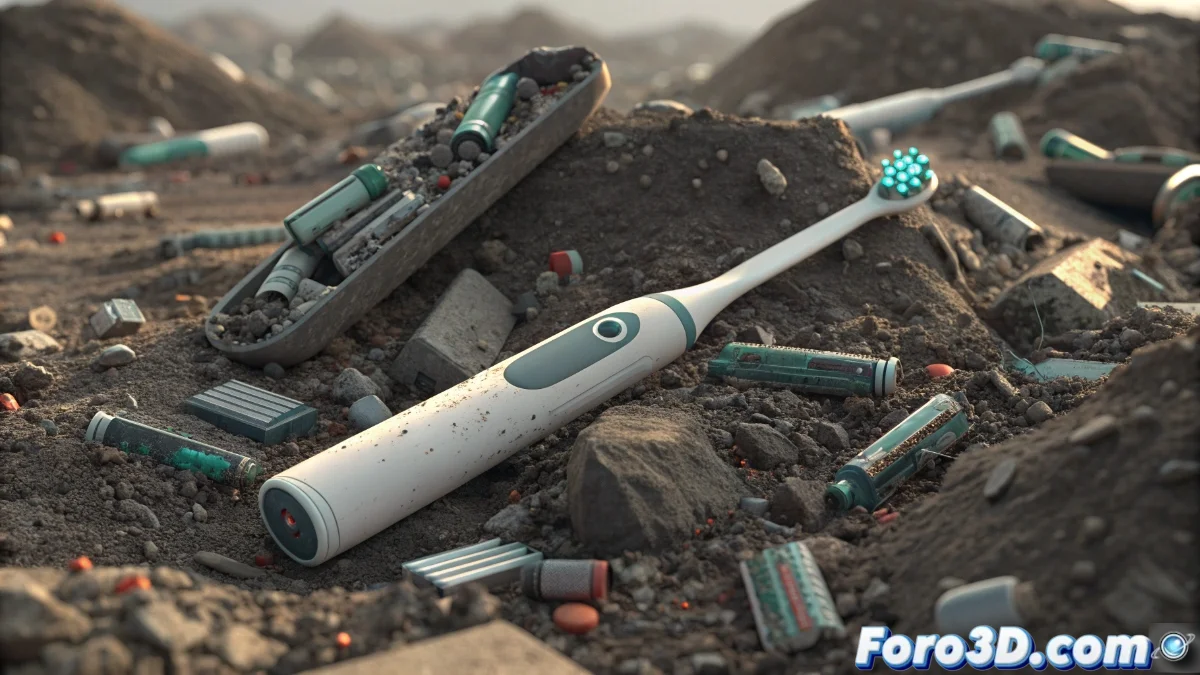
Planned Obsolescence in Electric Toothbrushes: An Environmental and Economic Problem
Electric toothbrushes have become silent victims of planned obsolescence through permanently sealed internal batteries. These devices, seemingly designed for oral care, hide a mechanism of forced expiration that harms both the consumer's wallet and the environment 🌍.
The Destructive Cycle of Non-Replaceable Batteries
The charging capacity of these devices progressively decreases until they become completely useless after just 24-36 months of use. Manufacturers deliberately prevent battery replacement, forcing the user to discard the entire brush handle. This commercial strategy generates a double harm: unnecessary electronic waste and recurring expenses for consumers.
Immediate Consequences:- Massive generation of technological waste due to the impossibility of repair
- Recurrent economic costs from having to acquire new devices every 2-3 years
- Accelerated depletion of natural resources to manufacture short-lived products
A device that promises to improve our oral health ends up damaging the planet's health with its designed short lifespan.
Viable Alternatives and Practical Solutions
Facing this issue, more responsible options emerge, such as toothbrushes with replaceable batteries or longer-lasting rechargeable models. Some companies, though a minority, are beginning to offer specialized repair services. Collective consumer pressure and the implementation of specific legislation can drive significant changes in the design of these products.
Change Strategies:- Conscious selection of products with accessible components and longer lifespan
- Demand for the right to repair through organized consumer campaigns
- Support for brands that implement real sustainability policies in their designs
Towards a More Sustainable Future
Collective awareness of this problem represents the first step toward significant change. By choosing durable alternatives and pressuring for responsible designs, consumers can transform this negative practice. The combination of informed choice and legislative action constitutes the most effective formula to combat planned obsolescence in the personal hygiene sector ⚡.