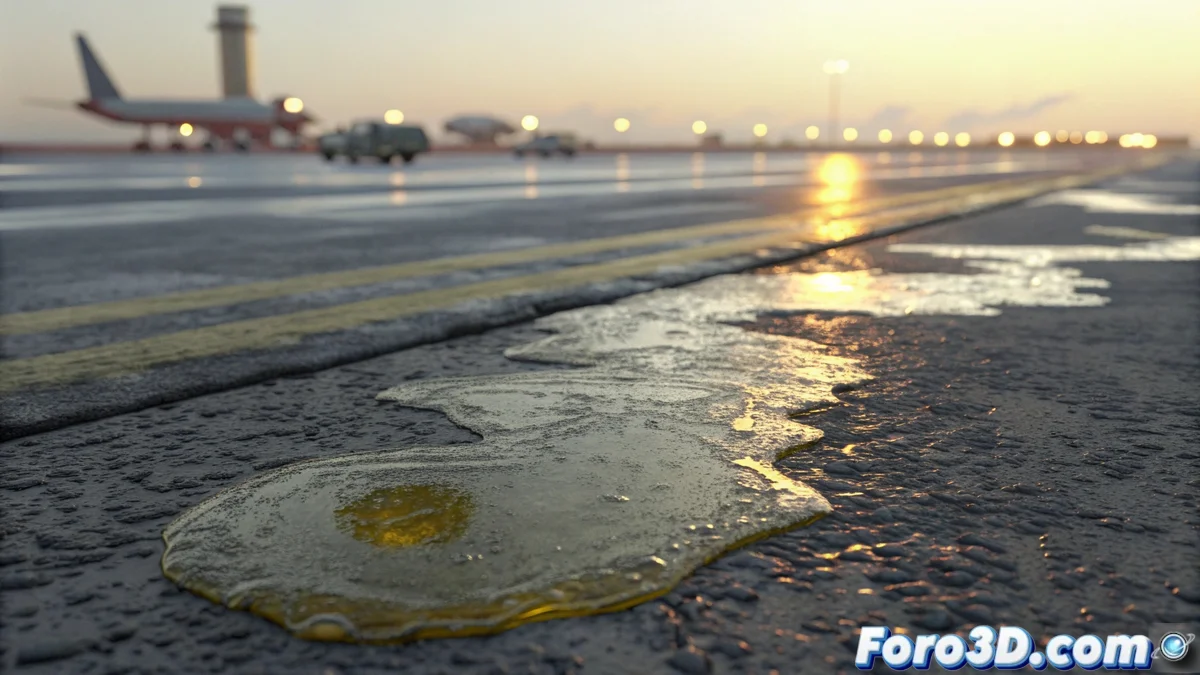
Pickle Juice Prevents Ice Formation on Roads
A waste product from the food industry, the pickling liquid from pickles, emerges as a surprising option for melting ice on surfaces like asphalt. Researchers are evaluating this alternative saline solution that promises to be less aggressive on the environment and infrastructure than traditional de-icers. 🧊➡️💧
Composition and Active Principle
The effectiveness for melting ice is not magic, but chemistry. The mixture of vinegar and salt is the key. The acetic acid from the vinegar, along with sodium chloride, significantly lowers the freezing point of water. This prevents water molecules from organizing to create a solid ice structure, acting similarly to other antifreeze agents but with a lower polluting footprint.
Key advantages of this brine:- Lower corrosion on metals in bridges, vehicles, and safety barriers.
- Reduces impact on soil compared to calcium chloride or common salt.
- Takes advantage of and adds value to an industrial waste that would otherwise be treated.
This alternative saline solution is less corrosive than common salt or calcium chloride, opening a path to manage a waste and protect infrastructure.
Research Results
Studies at institutions like Washington State University confirm the potential. In laboratory tests, pickle brine effectively melts ice at sub-zero temperatures. Experiments measure how much ice it dissolves and the speed of the process, comparing its performance to commercial products. The data indicate it can be a viable option, especially in areas where reducing damage to structures is crucial.
Possible practical applications:- Maintenance of secondary roads with less traffic.
- Treatment of airport runways in regional areas.
- Use in parking lots or specific urban roads.
The Aroma Challenge
The method presents an evident and sensory drawback: the strong pickle smell that would permeate the streets. Although the roads might be safer, neighborhood acceptance of this characteristic aroma is a factor that managers must consider to implement this solution on a large scale. The balance between effectiveness, sustainability, and social acceptance defines the future of this curious antifreeze. 🥒