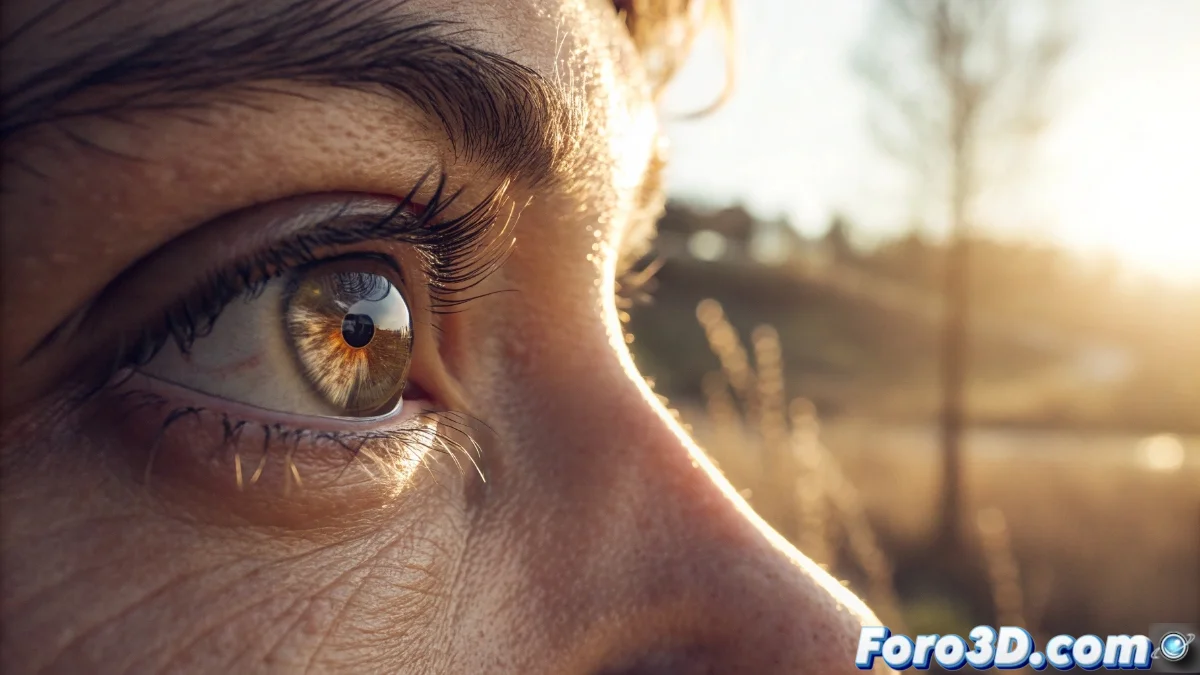
Photophobia: When Light Becomes Pain
Photophobia represents an abnormal response of the visual system where ordinary ambient light triggers disproportionate reactions of intense discomfort or genuine pain. Contrary to what its name suggests, it is not a phobia in the traditional psychological sense, but rather indicates a pathological hyperactivity in the nerve connections between the eyes and the brain. 🫣
Neurophysiological Mechanisms Behind Light Sensitivity
The process begins when retinal photoreceptor cells capture light stimuli and transmit signals via the optic nerve. In individuals with photophobia, these signals undergo anomalous amplification, making normal light levels unbearable. The complex interaction between the trigeminal nerve—responsible for facial sensitivity—and visual pathways explains why light can trigger painful sensations.
Key Elements in Stimulus Transmission:- Simultaneous activation of the occipital cortex (visual processing) and pain regions such as the thalamus and insular cortex
- Involvement of neurotransmitters like glutamate in neuronal hyperexcitability
- Abnormal integration between visual signals and pain sensitivity pathways
Photophobia reveals how our nervous system can distort basic perceptions, transforming light—the essence of vision—into a source of suffering
Associated Medical Conditions and Triggering Factors
This condition frequently coexists with migraine disorders, where approximately 80% of patients report exacerbation with light exposure. Other related pathologies include eye infections such as conjunctivitis and uveitis, traumatic brain injuries, corneal abrasions, and even neurodegenerative diseases. 😵
Main Triggers and Comorbidities:- Migraines and cluster headaches with a predominant photophobic component
- Ocular inflammatory processes such as conjunctivitis and keratitis
- Systemic diseases such as meningitis, encephalitis, or chronic fatigue syndrome
Impact on Daily Life and Diagnostic Approach
The comprehensive diagnosis requires thorough ophthalmological and neurological evaluation to identify underlying etiologies. Prolonged exposure to digital screens and blue light can exacerbate symptoms by disrupting circadian rhythms and increasing retinal sensitivity. The irony lies in the fact that light, an essential element for visualizing the world, becomes torture, creating a paradox where those affected crave darkness as a therapeutic refuge. 🕶️