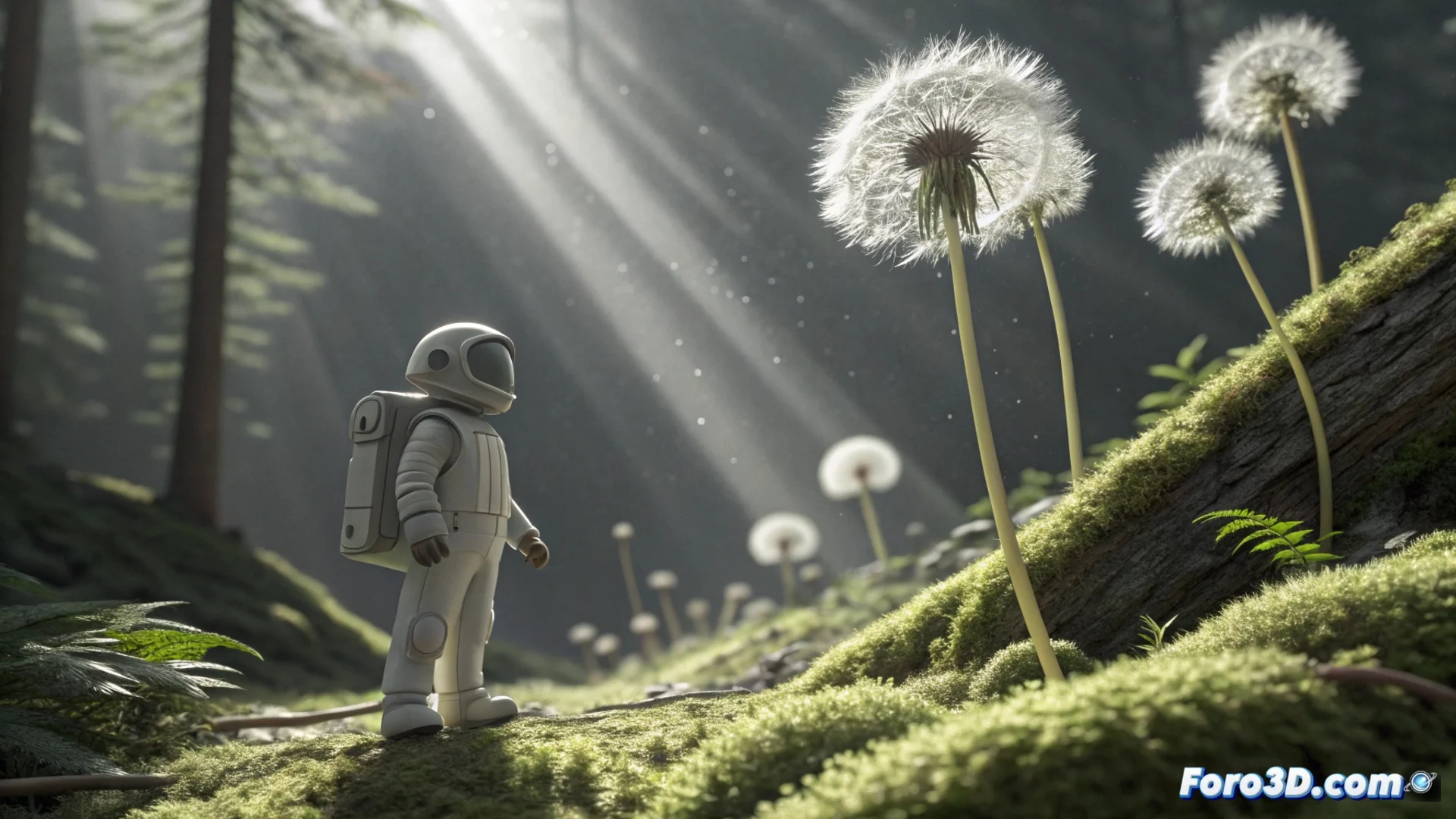
Photographing Micro Scenes with Figures Forces Perspective
This photographic discipline is based on integrating scale figures into real-world scenes to create convincing visual illusions. The photographer places these small elements on the ground, on natural textures, or among vegetation, seeking to make them part of the scene. The chosen point of view is the most decisive factor in altering perception. 🎯
Master the Point of View to Alter Scale
The success of the illusion lies in how the camera is positioned. By bringing it very close to the ground and at a short distance from the figure, the perspective is distorted along with the sense of depth. This low and close angle makes an object a few centimeters tall appear the size of a car or a person, while the background is perceived as distant and enormous. Thus, an alternative reality is constructed in a single shot.
Key Elements for the Illusion:- Camera Position: Close to the ground and very near the main subject.
- Distant Background: A real environment element that provides a sense of distance and vastness.
- Visual Integration: The figure must appear to physically interact with the environment, not just be placed on it.
Making a five-centimeter doll look like it's about to be run over by an autumn leaf requires more patience than directing a Hollywood actor.
Build the Scene and Tell a Story
Before taking the photo, it is vital to plan the narrative you want to convey. This involves choosing the right figures and finding locations where elements like stones, puddles, or grasses can simulate a large-scale landscape. The area is prepared by removing debris that reveals the real scale, and the figure is carefully fixed, sometimes using small amounts of non-permanent adhesive material. The composition directs the gaze toward the protagonist, using lines from the environment. Details like the figure's posture or gaze direction reinforce the story.
Steps to Prepare the Shot:- Select and Clean the Location: Find an environment with textures and elements that work at the new scale and remove distractions.
- Place and Secure the Figure: Position the main subject stably and naturally, securing it if necessary.
- Compose the Frame: Use composition rules to guide attention and create a clear visual narrative.
Manage Light and Sharpness
Natural lighting usually yields the best results, especially during sunrise or sunset, when the light is warm and shadows are long and defined, enhancing drama and realism. If flash is needed, it is crucial to bounce or diffuse its light to avoid unnatural reflections on the plastic or metallic surfaces of the figures. The depth of field setting is equally important. A very closed aperture, like f/16, keeps both the foreground figure and background details in focus, consolidating the illusion that they all share the same scale. A wider aperture can be used to isolate the subject if the context does not contribute to the story. 📸