Persepolis: A Graphic Autobiography by Marjane Satrapi
The work Persepolis represents a unique visual testimony of Marjane Satrapi's life, recounting her growth in Iran during a period of radical political and social transformation. 🎨
Visual and Narrative Style
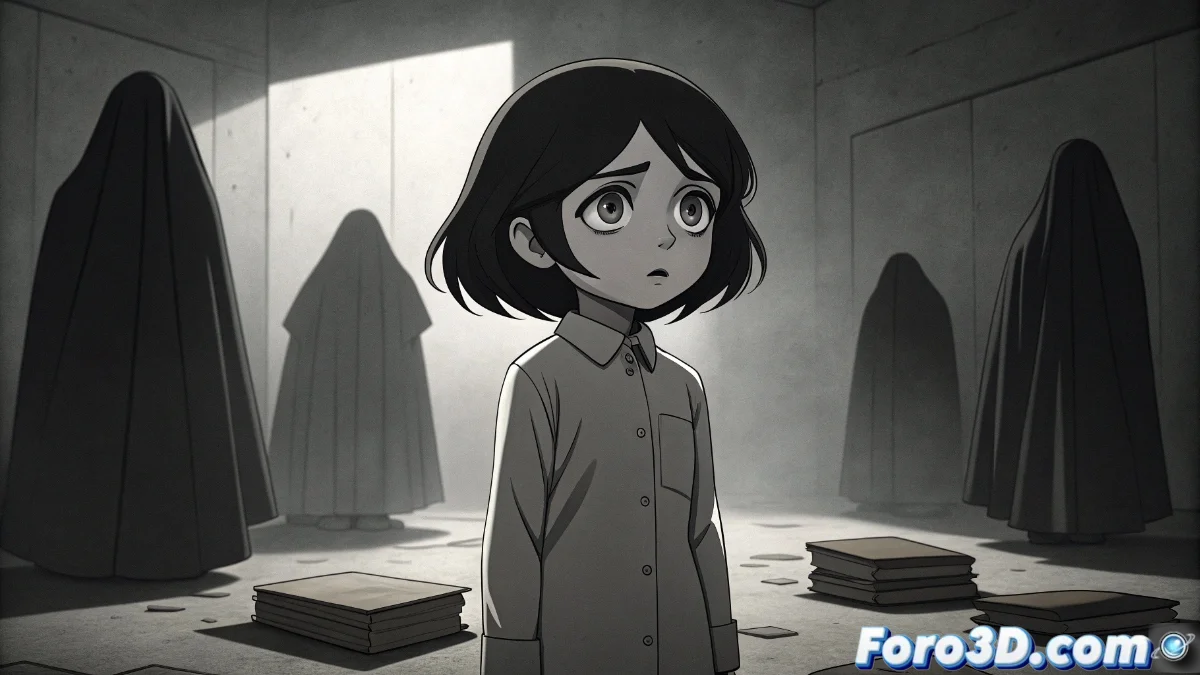
Employing a minimalist approach in black and white, Satrapi uses simple yet expressive strokes to convey intense emotions and the rawness of historical events. The characters, drawn with rounded shapes, allow the reader to immerse themselves in the narrative without complex visual distractions, reinforcing the intimacy of the story. This style not only highlights dramatic moments but also gives impact to everyday scenes. ✍️
Main characteristics of the graphic art:- Visual contrast to emphasize emotions and historical events
- Minimalist shapes that focus attention on the narrative
- Strategic use of black and white to reflect social dualities
The combination of visual simplicity and emotional depth makes Persepolis an accessible and moving work.
Synopsis and Plot Development
The plot follows Marjane from the age of ten, when she witnesses how the Islamic Revolution drastically alters her environment, imposing restrictions that affect her family life and education. As she matures, she faces internal conflicts between her longing for freedom and the oppressive norms of the regime, leading to her being sent to Europe for safety. There, she experiences loneliness and the challenges of adapting to a different culture, before returning to Iran to confront new personal and social struggles. The story intertwines humor and tragedy, highlighting the resilience of the protagonist in a context of political instability. 🌍
Key moments in the narrative:- Childhood marked by political changes and social restrictions
- Exile experience and cultural adaptation difficulties
- Return to Iran and confrontation with renewed social realities
Themes and Narrative Focus
Persepolis addresses universal themes such as identity, political oppression, war, and the search for freedom with a sincere and ironic tone. Satrapi skillfully integrates historical elements with personal anecdotes, creating a narrative that humanizes complex events from Iranian history. The dialogues, direct and emotional, reflect the innocent perspective of the child and the reflective maturity of the adult, conveying both hope and disillusionment from a generation marked by revolution and exile. 💬