Perovskite Solar Cells: The Photovoltaic Revolution of the Future
Photovoltaic technology is undergoing a radical transformation with the emergence of perovskite solar cells, a crystalline material that is redefining the limits of converting sunlight into electricity. These innovative cells stand out for their superior efficiency and unique characteristics that notably differentiate them from conventional technologies. 🌞
Revolutionary Characteristics of Perovskite
These photovoltaic cells present significant advantages over traditional silicon, being considerably cheaper to produce and offering unprecedented flexibility in the design of energy systems. Their semi-transparent nature opens possibilities for architectural integration that were previously unthinkable.
Main Advantages:- Reduction in production costs by up to 70% compared to silicon
- Extremely lightweight and adaptable to curved surfaces
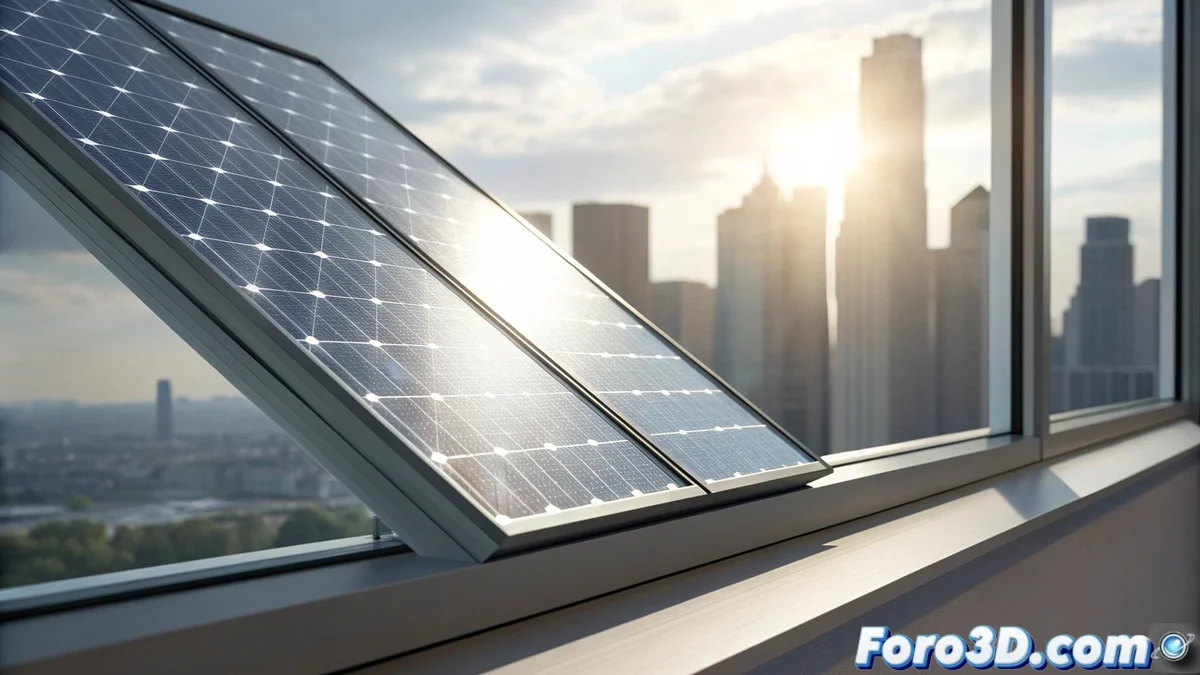
- Adjustable transparency for integration into smart windows and facades
"Perovskite represents the greatest leap in photovoltaic conversion efficiency of the last decade, with the potential to democratize access to solar energy" - Dr. Elena Martínez, Institute of Renewable Energies
Technological Advances and Pending Challenges
Although currently in an advanced development phase, laboratory prototypes have demonstrated efficiency levels that rival and even surpass conventional silicon cells. Researchers are working intensely to resolve the challenges of stability and durability to guarantee their commercial viability.
Areas of Active Research:- Improving resistance to extreme environmental conditions
- Development of encapsulation techniques to prolong lifespan
- Optimization of industrial-scale manufacturing processes
Transformative Applications in Daily Life
The versatility of applications of these cells revolutionizes multiple sectors, from sustainable architecture to consumer electronics. Their ability to generate energy in small spaces and on unconventional surfaces makes them the ideal solution for the global energy transition. Soon we could see our devices charging simply with ambient light, integrating energy generation naturally into our daily environment. 🔋