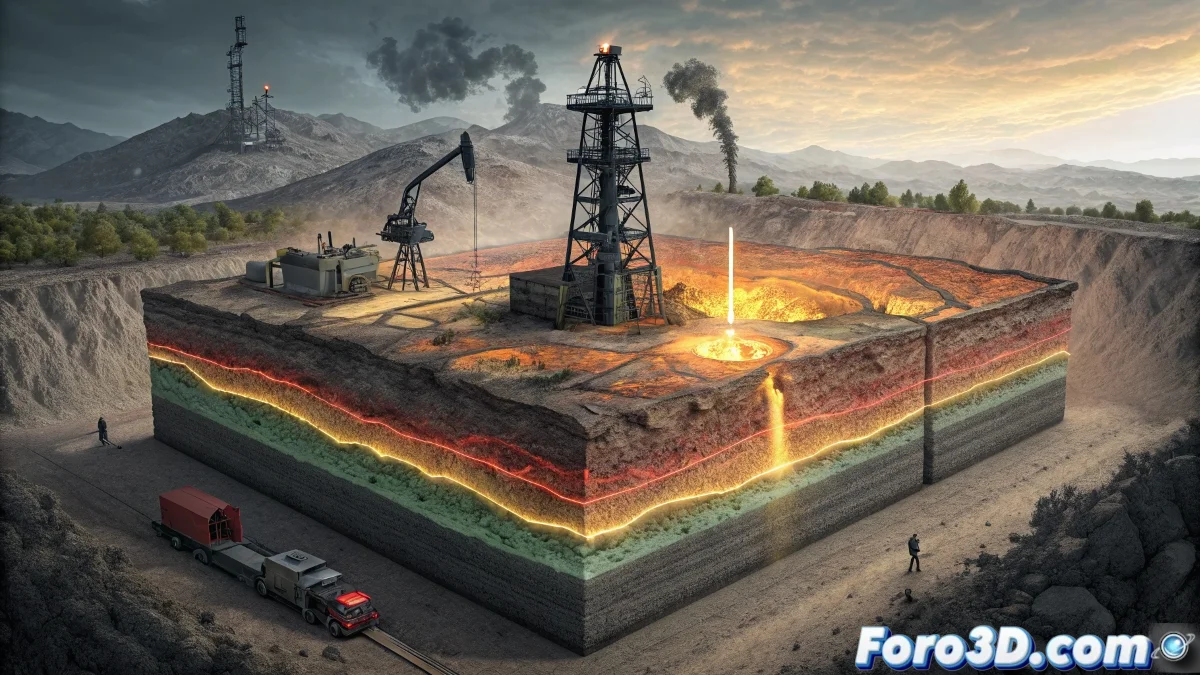
When 3D Technology Rescues Dormant Oil
Pemex is implementing an ambitious strategy to reactivate approximately 400 closed or inactive wells through intensive use of 3D visualization and advanced geological modeling. This initiative represents a smarter and more economical approach compared to drilling new wells, leveraging existing infrastructure while minimizing environmental impact. The process begins with a complete reevaluation of each well using technologies that did not exist when many of these were originally drilled, revealing opportunities that were previously invisible.
The complexity of reactivating inactive wells requires a multidimensional analysis that integrates seismic data, historical drilling records, previous production, and current geological conditions. Pemex teams use specialized software to create detailed three-dimensional subsurface models that show not only the structure of the reservoirs, but also how they have changed after years of inactivity. This approach allows identifying which wells have the greatest production potential and which would require prohibitive investments.
Work Methodology for Reactivation
- 3D seismic reinterpretation with modern processing algorithms
- Integration of historical data with new sensor information
- Reservoir modeling that simulates behavior under different scenarios
- Economic risk analysis linked to technical parameters
The Software That Makes the Impossible Possible
The successful reactivation critically depends on specialized software suites like Petrel, Kingdom, and GeoGraphix, which allow integrating gigabytes of data into coherent models. These platforms use machine learning algorithms to identify patterns in seismic data that the human eye might overlook, and immersive visualization tools that allow geologists and engineers to "walk" through virtual underground formations. The ability to visualize geological faults, water-oil contacts, and anomalous pressure zones in 3D completely transforms the decision-making process.
The easiest oil to produce has already been extracted; now comes the era of smart oil
One of the most innovative aspects is the use of virtual reality for collaboration among multidisciplinary teams. Geologists, geophysicists, and production engineers can simultaneously examine the same 3D model from different perspectives, identifying problems and opportunities in real time. This immersive collaboration significantly accelerates the evaluation process and reduces interpretation errors that could cost millions of dollars in unsuccessful drilling.
Specific Technologies Applied
- 4D seismic analysis that compares separated temporal data
- Numerical simulation of fluid flow in porous media
- Facies characterization using artificial intelligence
- Collaborative visualization in virtual reality rooms
The economic impact of this strategy is significant. Reactivating existing wells can cost 50-80% less than drilling new ones, with considerably shorter implementation times. For Pemex, which faces financial and production challenges, this approach represents an opportunity to increase proven reserves and production without the huge capex associated with greenfield projects. Additionally, the lower environmental impact and utilization of existing infrastructure align with the growing sustainability demands in the energy industry.
Those who saw inactive wells as liabilities probably did not anticipate that they would become valuable assets through the application of visualization and analysis technologies that transform old data into new opportunities 🛢️