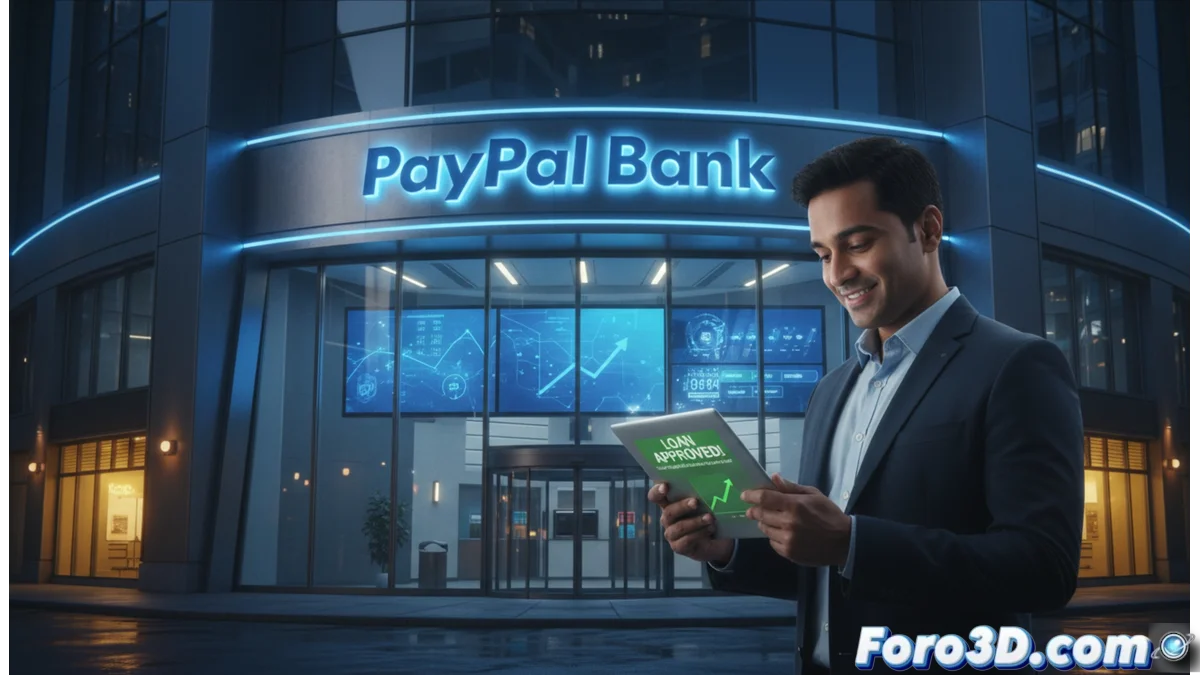
PayPal Applies for License to Operate as a Bank in the United States
The digital payments company PayPal is taking a decisive step in its plan to become a banking entity in the United States. It has submitted the official documentation to establish PayPal Bank, a move aimed at benefiting from a regulatory framework that now makes it easier for fintech companies to obtain this status. This change, promoted by the current administration, contrasts with the long and complex processes of the past. 🏦
The Operational Strategy of the New Banking Entity
PayPal Bank will not attempt to replicate all the services of a traditional retail bank. Its initial focus will be specific and articulated around two main pillars. This allows it to expand its product portfolio beyond payments and transfers, venturing into areas that generate interest income and consolidate its financial ecosystem for users and merchants.
The Two Central Axes of PayPal Bank:- Offering credit to small businesses: A market where it already has an established base of commercial customers.
- Managing savings accounts: A basic product that complements its digital money services.
Becoming a bank is a long process, but at least you no longer have to bring apples to the teacher to get your exam approved.
The Change in the Regulatory Landscape and Its Advantages
The White House's decision to soften the requirements marks a turning point for the fintech sector. For a company the size of PayPal, obtaining a federal banking license implies submitting to more direct supervision, but it also grants key operational benefits. Several firms in the cryptocurrency space have already made similar advances with preliminary approvals.
Key Implications of the Banking License:- Greater Autonomy: It will be able to manage deposits and offer loans without relying on external partner banks.
- Improved Operational Efficiency: Reduces intermediaries and can optimize its financial margins.
- Strict Supervision: In exchange for autonomy, it accepts more intense regulatory scrutiny from federal authorities.
A Future Defined by Financial Integration
This strategic move positions PayPal to build a more integrated and comprehensive financial experience. By evolving from a payments platform to an entity with banking capabilities, the company seeks to deepen its relationship with millions of customers and close the circle of its services. The path to the final license is still long, but the current environment paves the way for this historic transformation. 💳➡️🏛️