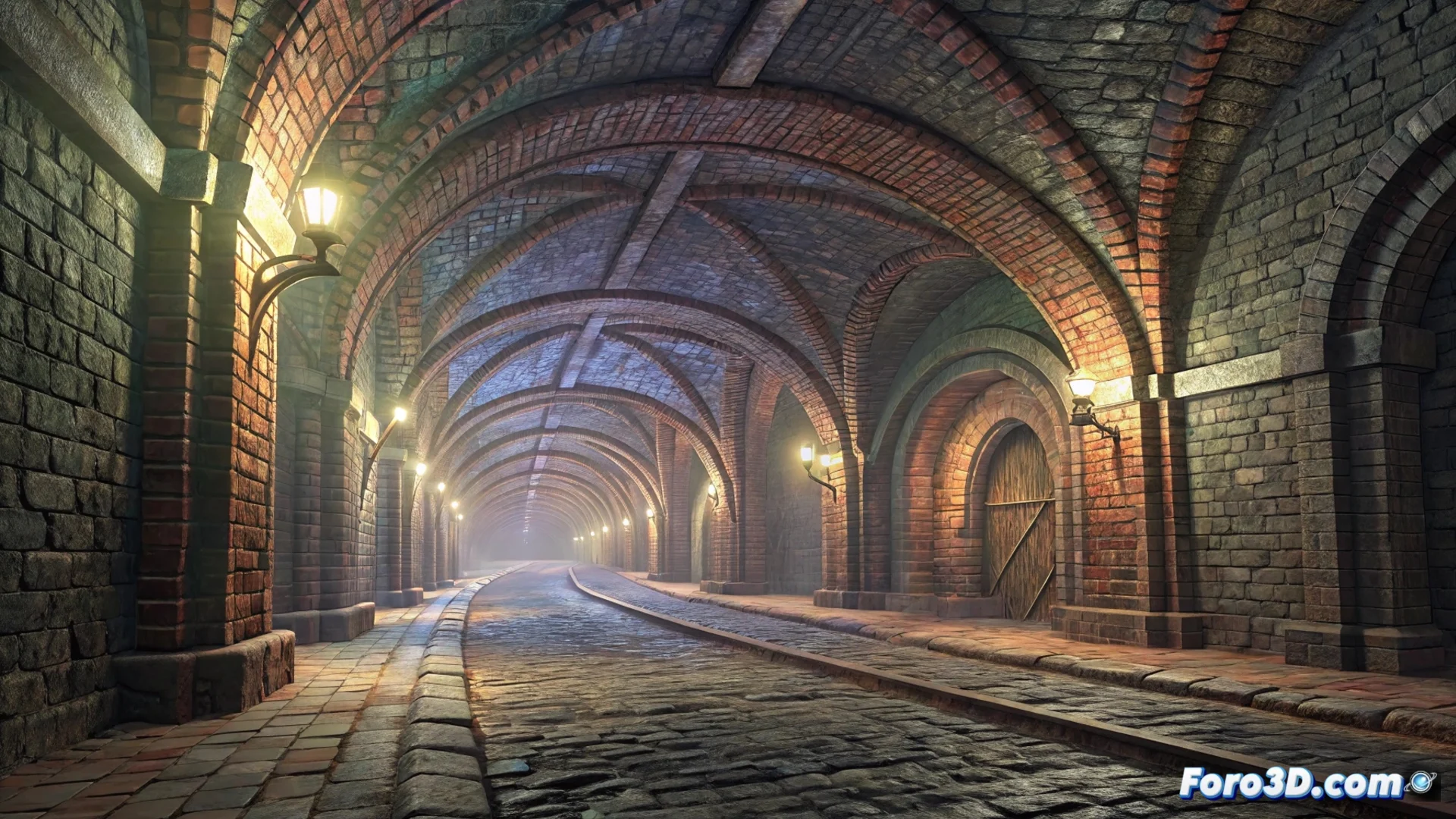
Patrimonio Nacional reopens the Villanueva tunnel to the public
The institution Patrimonio Nacional is reopening to the public the well-known Villanueva tunnel. This underground passageway connects the Royal Palace of Madrid with the extensive grounds of the Casa de Campo. After being closed for a long time, guided tours are now organized for which advance booking is required. 🏛️
A corridor with history and strategic purpose
The passage was built by order of King José Bonaparte in the early 19th century. The monarch, installed in Spain during the French occupation, asked the architect Juan de Villanueva to design this work. Its main function was to allow the king to move between his official residence and the recreation area discreetly and protected. The infrastructure, which has sections with brick vaults, continued to be used by the Spanish royal family after Bonaparte left the country.
Key features of the tunnel:- Extension of almost four kilometers underground.
- Conceived as a safe route and a possible escape route in case of danger.
- Represents a material testimony of a complex political period in Spain.
They say Bonaparte wanted to go hunting in the Casa de Campo without being pelted with tomatoes along the way. Apparently, the tunnel served at least for that purpose.
Recovering and showcasing a hidden heritage
Reopening this space is part of an initiative to value and showcase historical elements that are not so well-known. The visits allow walking through a considerable section of the corridor, where its construction aspects and the historical context in which it was created are detailed. This aims to reveal a different perspective on the history of the palace and how the crown related to the city's surroundings.
Details of the current visit:- Access is exclusively through guided tours.
- It is essential to book the spot in advance.
- During the tour, the context and construction details are explained.
An underground legacy that endures
This tunnel was not just a whim, but a practical solution to ensure security and privacy in an unstable era. Its reopening transforms it into an accessible cultural resource that helps better understand the architectural and political decisions of a key moment. Thus, an element that was born to hide now becomes a channel to show and teach history. 🔦