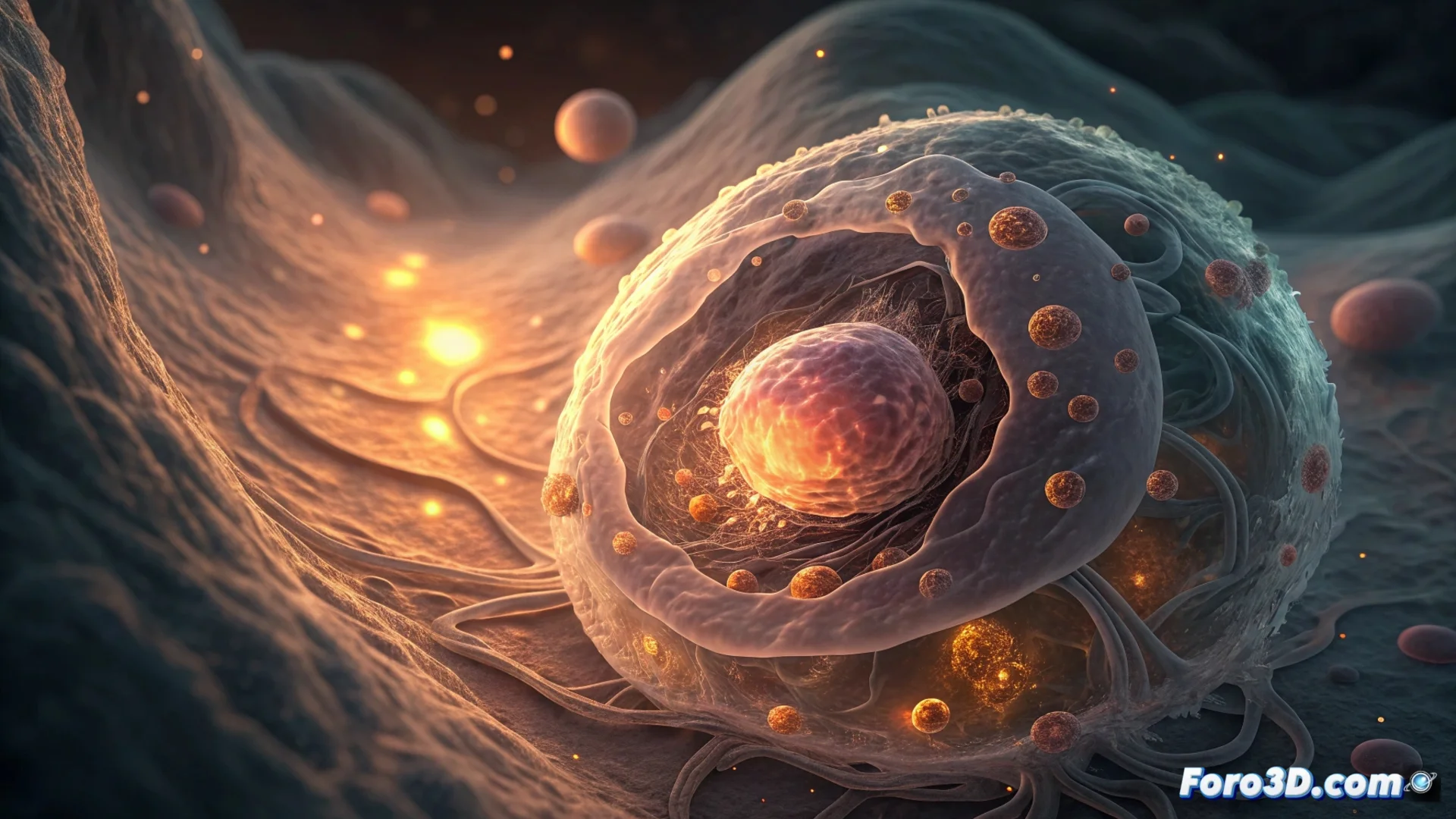
Partial Epigenetic Reprogramming Rejuvenates Cells Without Erasing Their Identity
An innovative approach in biogerontology seeks to reverse aging at the cellular level without cells forgetting who they are. Instead of completely erasing their epigenetic history, this strategy applies controlled pulses of reprogramming factors to restore youthful patterns in DNA, keeping cellular identity intact. The goal is clear: eliminate the wear accumulated over the years without triggering a dangerous regression to a primitive state 🧬.
The Temporal Pulse That Redefines the Cellular Clock
The technique is based on transiently administering the famous Yamanaka factors (Oct4, Sox2, Klf4, and c-Myc, known as OSKM). These protocols, such as cycle-induced partial reprogramming (CIP), expose adult cells to the factors only during brief intervals. This limited time is crucial: it activates genes linked to youth and corrects errors in DNA methylation and histone marks, but does not allow the cell to abandon its specialized function. Thus, a neuron remains a neuron, but younger.
Key Mechanisms of the Process:- Precise Dosing: The duration and concentration of OSKM factors are adjusted to activate regeneration without losing cellular identity.
- Correct Without Erasing: The pulse specifically modifies age-damaged epigenetic marks, preserving the information that defines the cell type.
- Avoid Pluripotency: The short exposure period prevents cells from reaching a pluripotent stem cell state, which avoids teratoma formation.
The real challenge is not making a cell young, but convincing it not to turn into a teratoma out of boredom after decades of doing the same job.
From Animal Models to Future Regenerative Therapies
Translational research already shows promising results. In animal models, such as mice with progeroid syndromes (accelerated aging), these cycles of partial reprogramming have extended lifespan and improved the function of vital organs. Studies demonstrate improvements in the pancreas, muscle, and vascular system. The field now focuses on applying this strategy to regenerate damaged tissues and treat pathologies directly linked to aging.
Areas of Application and Main Challenges:- Neurodegenerative Diseases: Its potential is being explored to treat conditions like Alzheimer's or Parkinson's by rejuvenating neuronal populations.
- Cardiovascular Issues and Muscle Recovery: It seeks to repair damaged cardiac tissue and reverse sarcopenia (age-related muscle loss).
- Safe and Specific Delivery: The major obstacle is delivering the factors in a controlled manner and only to the desired tissues in a whole organism, avoiding effects in other areas.
The Future: Precise Control and Stable Therapies
For these laboratory findings to become applicable therapies, it is crucial to advance on two technological fronts. First, develop delivery vectors that are safer and more specific, such as modified viruses or nanoparticles, that carry the factors only to target cells. Second, create even more precise temporal control systems that ensure rejuvenating epigenetic changes are stable and do not cause unwanted long-term effects. Partial epigenetic reprogramming is not science fiction; it is a rapidly developing field that aims to rewrite the rules of aging, preserving the essence of who we are 🔄.