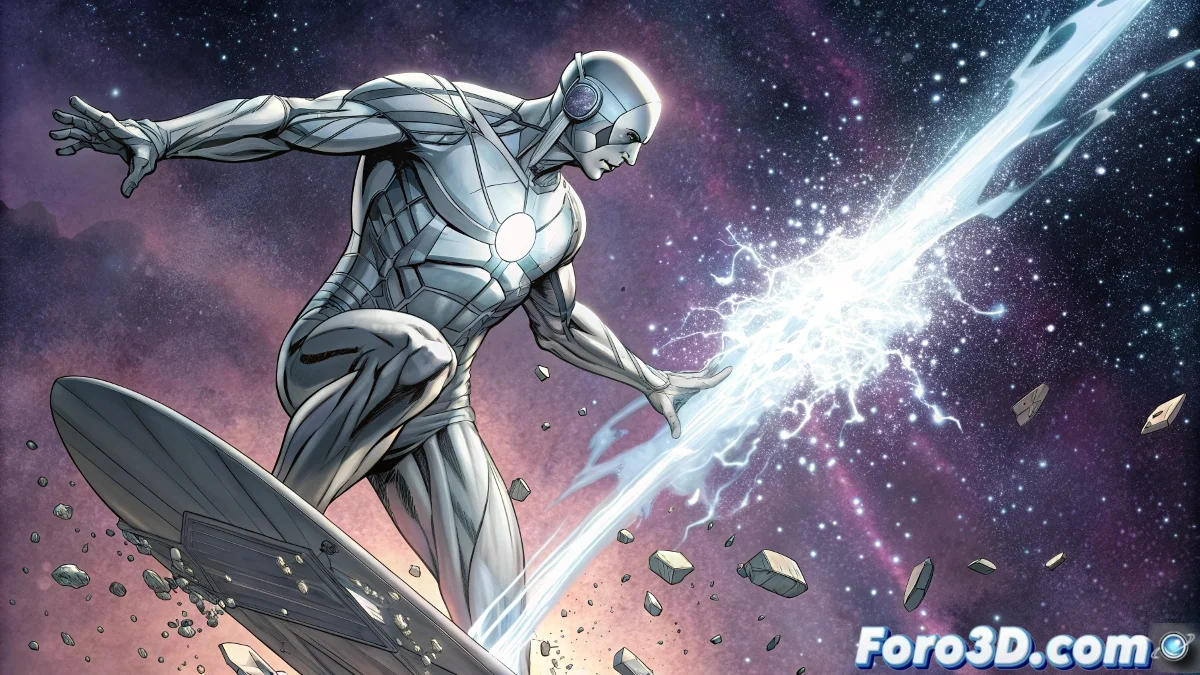
A publication that will make history in the ninth art
Panini Comics has just launched on the Spanish market the first issue of The Death of Silver Surfer, thus starting a limited five-part series that promises to shake the foundations of the Marvel universe. For lovers of sequential art and specialists in visual narrative, this launch represents much more than just another comic on the shelves. We are facing an editorial event that combines the emotional impact of an epic plot with exceptional artistic work, where each panel seems to compete in visual quality with the best cinematic storyboards.
The artistic value behind the sensationalism
Beyond the eye-catching headline announcing the death of an iconic heroine, what is truly fascinating for visual creators is the quality of the graphic execution. The art team has worked with a level of detail that turns each page into a lesson in visual composition and graphic narrative. The handling of lighting, the expressiveness of the characters, and the sequencing of actions demonstrate a masterful command of the language of comics as a medium of artistic expression.
This series represents a benchmark in the evolution of contemporary sequential art
Highlights for visual professionals
- Page composition that maximizes narrative impact
- Color palette that reinforces the dramatic tone of the story
- Character design with special attention to expressiveness
- Action sequences choreographed with cinematic precision
Technical influences in the creative industry
For digital artists and VFX specialists, the comic serves as an inexhaustible bank of inspiration. The visual solutions implemented by the creative team can be studied as examples of effective storytelling, applicable to storyboards, animatics, and previsualizations. The way they convey complex emotions through body and facial expressions is especially valuable for those working in character development and visual narrative.
The color treatment deserves separate analysis, with subtle gradations that guide the reader's attention and establish changing moods throughout the story. The lighting techniques implemented in the illustrations show a deep understanding of how light can become a narrative element in its own right, something every digital artist should master.
Elements of technical and creative interest
- Rendering techniques applied to traditional illustration
- Fusion of classic and digital styles in the final finish
- Innovative handling of transitions between panels
- Integration of visual effects within graphic narrative
And while collectors discuss the investment value of this issue, visual artists will continue desperately trying to figure out how they achieved that light effect on the armor without using three days of rendering ✏️