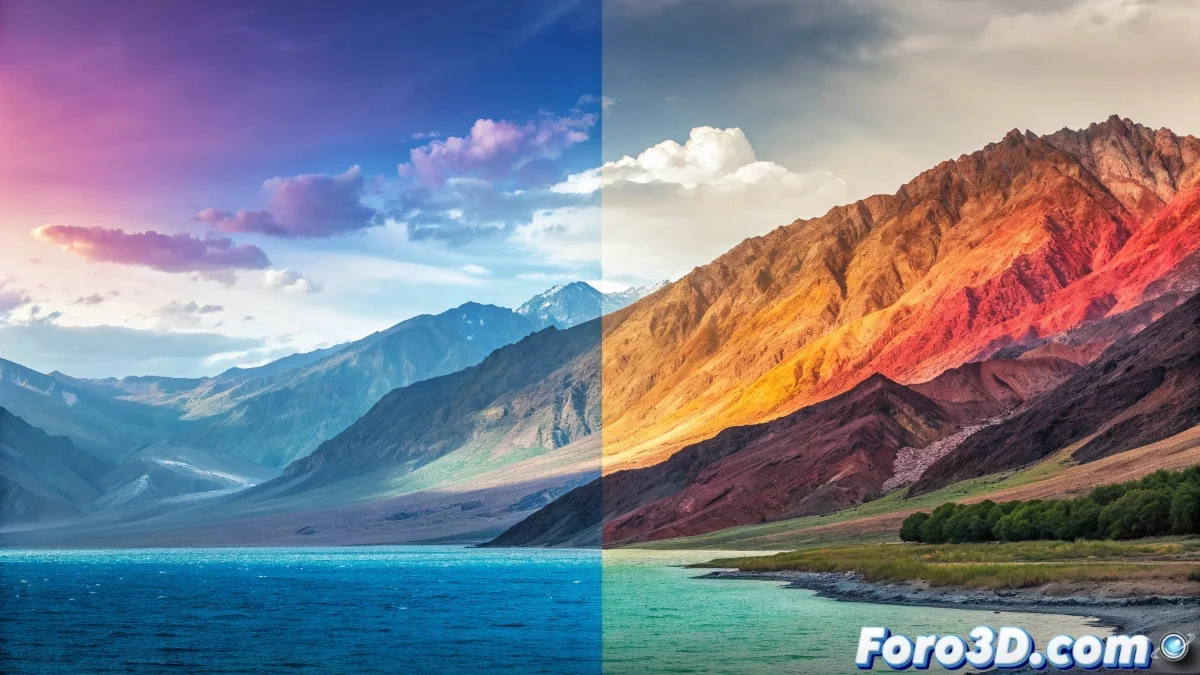
Palette splicing: chromatic fusion technique for limited palettes
Palette splicing is an advanced method that enables the intelligent combination of initially incompatible color palettes, using interpolation processes and chromatic restructuring. This methodology is particularly valuable in environments with technical restrictions, such as retro video games or systems with limited palettes, where the goal is to expand creative options without exceeding established limits. 🎨
Technical process of chromatic integration
The procedure begins with the identification of anchor points, which are those colors capable of acting as bridges between both palettes. Through interpolation algorithms, intermediate tones are generated to fill existing gaps, building a continuous and cohesive spectrum. The main challenge lies in preserving visual harmony without losing the distinctive qualities of each original palette.
Essential tools and resources:- Specialized palette editors that allow real-time visualization of transitions
- Adjustable fusion parameters according to the specific needs of the project
- Chromatic reordering algorithms to optimize visual coherence
Mastering palette splicing is like being a chromatic diplomat, negotiating between rival colors to create an unexpected visual harmony.
Applications in contemporary visual development
This technique finds its greatest utility in the redesign of assets for remasterizations of classic games, where the aim is to maintain the original visual essence while incorporating subtle modernizations. Indie game developers use it to forge unique visual identities starting from existing references, while in pixel art it allows expanding restricted palettes without violating the technical limitations of target systems.
Highlighted fields of implementation:- Remasterizations of retro video games that require discreet visual updates
- Creation of original visual identities in independent projects
- Expansion of palettes in pixel art while maintaining technical authenticity
The art of chromatic negotiation
Palette splicing transcends the technical to become an artistic expression, where the creator acts as a mediator between apparently incompatible palettes. The results are hybrid ranges that offer expanded versatility without sacrificing stylistic coherence, demonstrating that even under technical restrictions it is possible to achieve a surprising visual richness. ✨