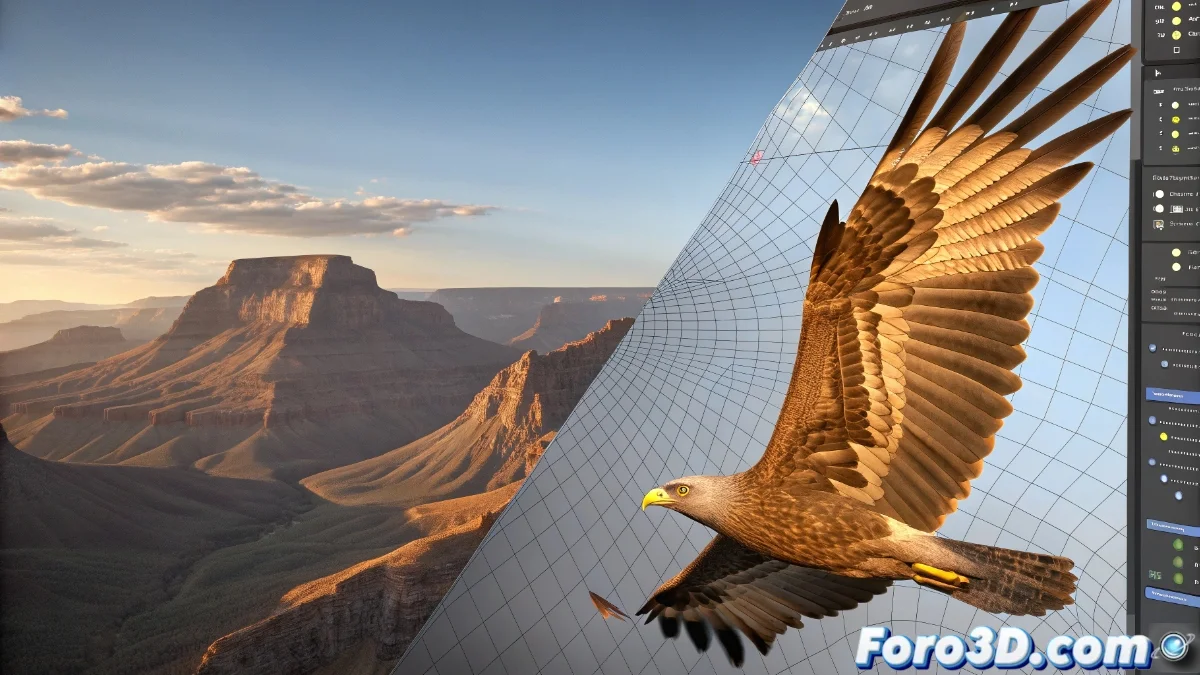
OpenSCAD vs Wings3D: two 3D modeling philosophies
The three-dimensional modeling ecosystem hosts tools with radically opposed approaches. OpenSCAD represents the paradigm of programming-based design, while Wings3D embodies the direct visual manipulation of geometries. This fundamental divergence marks clearly differentiated application territories in the 3D universe 🎯.
Algorithmic precision versus artistic expression
OpenSCAD operates as a geometric description language where models are built through boolean operations and mathematical transformations. Each modification requires adjusting numerical parameters or restructuring the code, ensuring absolute precision and perfect repeatability. Wings3D, in contrast, focuses on the intuitive creative flow through subdivision and direct manipulation tools that allow sculpting complex shapes without numerical constraints 🎨.
Distinctive features:- OpenSCAD: Ideal for mechanical parts, engineering components, and designs where exact dimensions are critical
- Wings3D: Excels in character modeling, organic creatures, and natural elements where formal fluidity prevails
- Methodological approach: Parametric programming versus traditional digital sculpting
An OpenSCAD user sees modeling as solving equations, while a Wings3D artist experiences it as sculpting digital clay.
Complementary application cases
The technical community values OpenSCAD for its ability to generate automatic variations of a design by modifying simple variables, perfect for iterative prototyping and mass customization. Wings3D finds its natural niche in creating organic shapes and elements where artistic expressiveness outweighs dimensional precision. Both programs coexist because they address different needs: one is the digital equivalent of a precision machining workshop, the other a digital sculpture studio 🛠️.
User profiles:- Engineers and technical designers: Prefer OpenSCAD for its absolute mathematical control
- 3D artists and organic modelers: Choose Wings3D for its intuitive workflow
- Hybrid users: Combine both tools according to the specific requirements of the project
The perceptual gap between communities
It is fascinating to observe how some OpenSCAD users view the Wings3D interface with skepticism, perceiving manual vertex manipulation as a mathematical heresy. Similarly, Wings3D artists may find OpenSCAD code as arid as deciphering a technical manual in an unknown language. This perceptual divergence reflects the profound difference between algorithmic thinking and visual creativity in current 3D modeling 🤔.