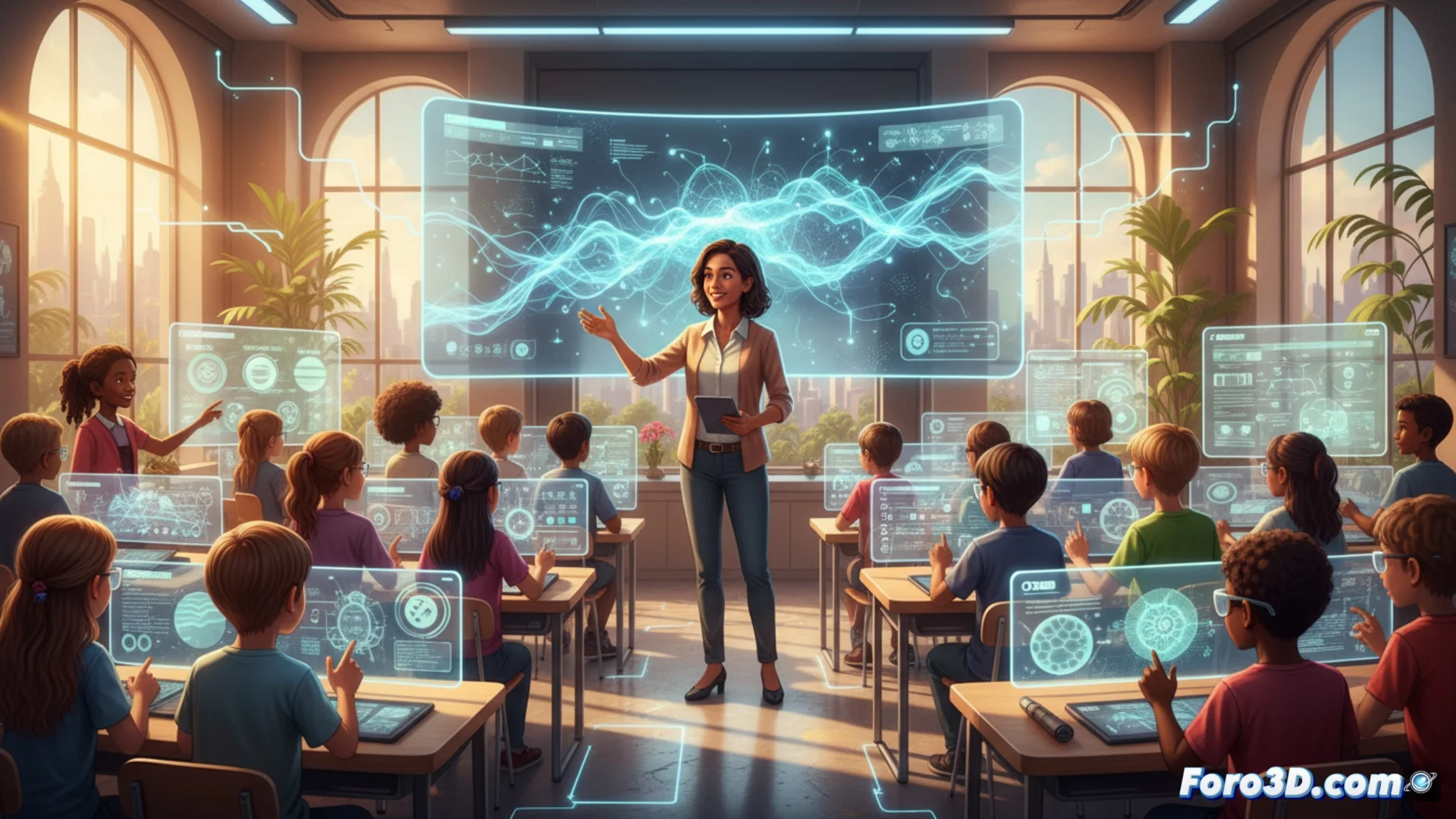
OpenAI Launches Education for Countries to Integrate AI in Schools
OpenAI has unveiled a new program called Education for Countries. This effort seeks to establish partnerships with national authorities to incorporate artificial intelligence tools into public learning environments. The vision is for education departments to adopt and adapt these technologies on a massive scale. 🌍
A Collaborative and Adaptable Work Model
The proposal does not consist of a standardized product. On the contrary, it proposes a flexible framework for each nation to design its own path. OpenAI would provide access to its most powerful systems, such as GPT-4o, as well as utilities for moderating content and programs to train educators. The ultimate goal is for countries to build custom AI assistants that respect their specific curricula and cultural values.
Key Components of the Initiative:- Access to advanced language models like GPT-4o for pedagogical purposes.
- Dedicated tools for filtering and supervising generated material.
- Courses and training resources aimed at teaching staff.
The success of these agreements will depend on how they are executed and the ability to address inherent challenges.
Reactions and Perspectives on the Future of Teaching
This step reflects a growing trend of bringing AI to schools, but now with a comprehensive approach from institutions. Supporters argue that it can adapt instruction to each student and reduce teachers' bureaucratic workload. Those expressing reservations highlight concerns about student data protection, the risk of creating technology dependence, and the importance of ensuring equal access opportunities for all.
Central Points of the Debate:- Personalize learning to address individual needs.
- Protect students' private information.
- Ensure equitable distribution of technological resources.
A Horizon of Educational Transformation
The routine task of explaining fundamental concepts, such as a classic theorem, could soon have very specific digital support. This OpenAI movement marks an attempt to redefine interaction in the classroom, although it raises crucial questions that societies will need to answer when implementing these tools on a large scale.