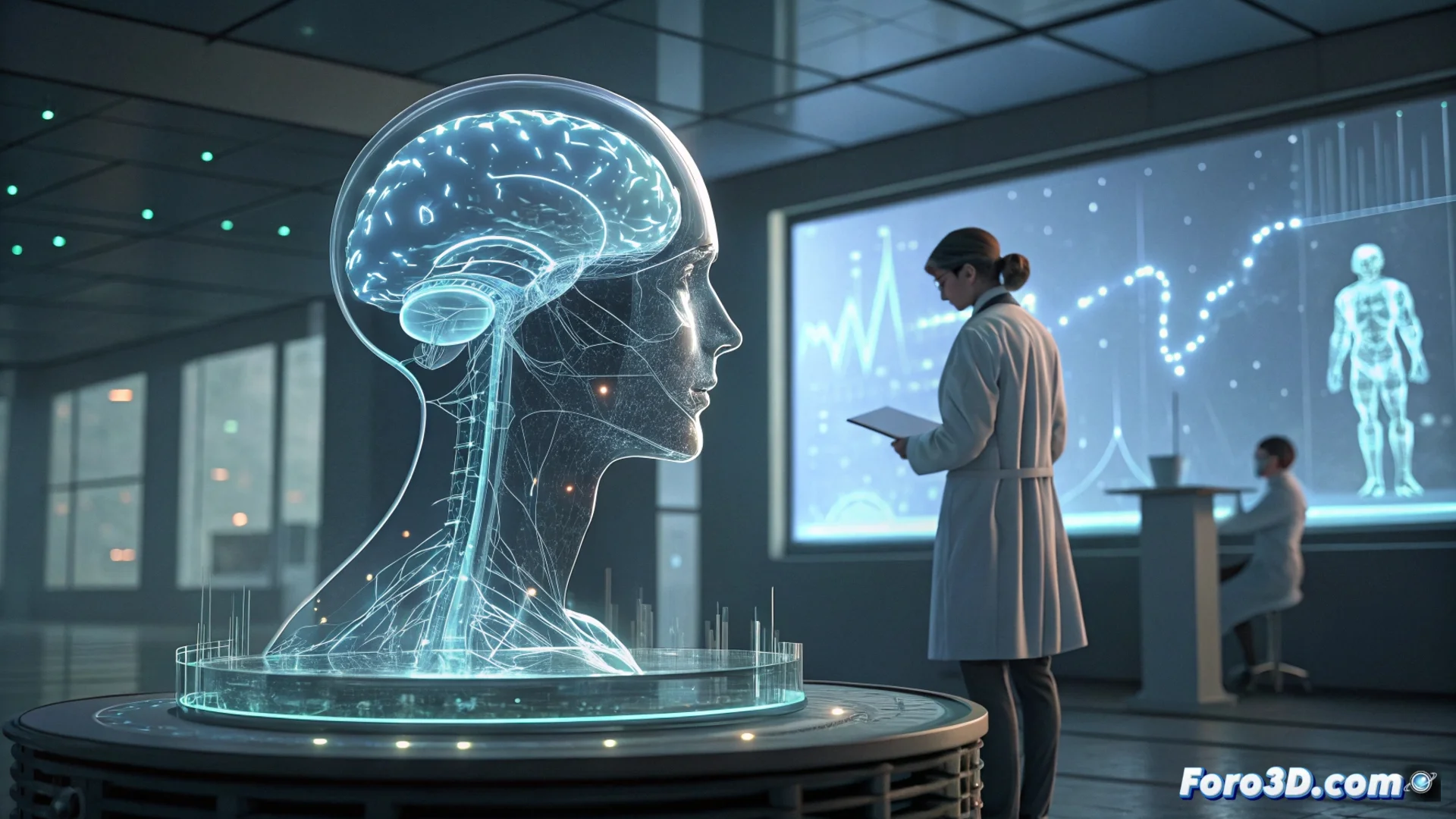
OpenAI Invests in Merge Labs to Advance Brain-Computer Interfaces
The company OpenAI, recognized for creating models like GPT, has allocated funds to Merge Labs, a startup researching how to link the human brain with computer systems. This operation consolidates the firm's interest in creating direct neural interfaces, an area they consider fundamental for the future of artificial intelligence. The collaboration aims to find novel methods to interact with technology, overcoming the limits of keyboards and touch screens. 🧠💻
Towards More Intuitive Communication with Systems
The long-term goal is to manufacture devices that enable interacting with AI using only brain activity. This could revolutionize sectors like healthcare, facilitate access to technology, or computational-assisted design. Merge Labs builds prototypes of hardware and software that decode nerve impulses to execute commands. OpenAI's financial contribution and AI expertise provide resources to accelerate these projects.
Areas That Could Be Transformed:- Medicine: Devices for people with reduced mobility that interpret their intentions.
- Accessibility: Create technological bridges that overcome physical barriers.
- Assisted Design: Translate visual ideas directly from the mind to digital models.
This initiative aligns with OpenAI's stated vision of achieving a beneficial general artificial intelligence for humanity.
An Advance Consistent with the Future Vision
This project fits with OpenAI's purpose of achieving artificial general intelligence that benefits people. The company is analyzing how brain-computer interfaces can make collaboration between humans and AI systems more natural. The current approach focuses on practical and ethical uses, prioritizing safety and human control over technology.
Main Approaches of the Collaboration:- Explore applications with immediate positive social impact.
- Ensure the user maintains authority over the processes.
- Address technical challenges to interpret brain signals accurately.
The Road Ahead and Its Challenges
In the future, we might be able to conceive a report and have it drafted automatically, although first it will be necessary to solve how to prevent the system from also processing our most idle thoughts or that melody that repeats endlessly in the mind. The journey to connect our brain with machines has just received a significant boost, marking a milestone in how we conceive interaction with the digital world. 🔮