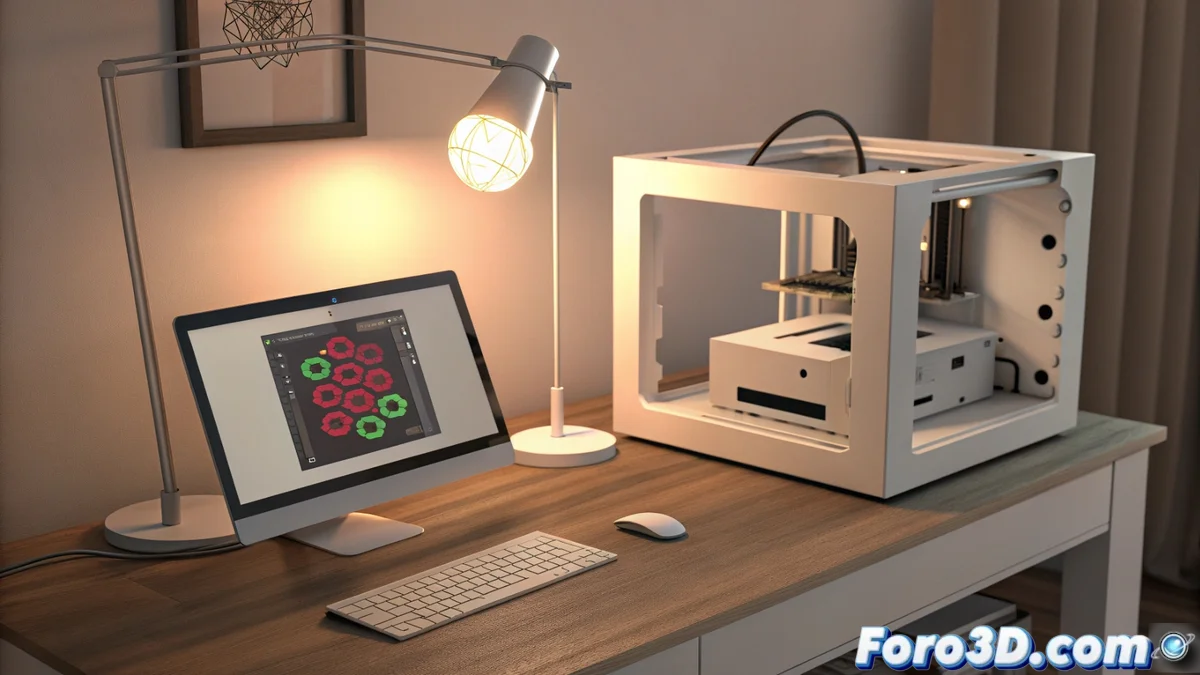
Open Home Automation with Raspberry Pi and Home Assistant
Commercial home automation systems often lock you into a closed ecosystem, limiting how you control your space. A powerful alternative is to set up your own control center using a Raspberry Pi and software like Home Assistant. This open-source platform integrates devices from multiple brands into a single dashboard, giving you total freedom. 🛠️
Centralize Control and Break Barriers
Home Assistant acts as a universal hub. You connect lights, smart plugs, sensors, and thermostats, regardless of the manufacturer. You stop depending on a single app or brand. You manage your entire home from a unified interface, regaining control over your data and home network. The flexibility to add new gadgets is almost unlimited.
Key advantages of this approach:- Brand independence: Combine products from Xiaomi, Philips Hue, Tuya, and others without issues.
- Local data: All information is processed on your home server, not on a company's cloud.
- Advanced automations: Create complex rules that interact between different devices.
True home automation begins when you decide how, when, and with what tools it works.
3D Printing Customizes Physical Integration
This is where your 3D printer becomes essential. Don't limit yourself to the cases sold by brands. Design and manufacture custom housings for motion sensors, temperature sensors, or magnetic door contacts. This allows you to install these components discreetly, aesthetically, and in places where a standard product doesn't fit. You unify the visual style of all your devices. 🏠
Practical applications of additive manufacturing:- Integrated cases: Create sensors that blend with your home's decoration.
- Adapters for complex spaces: Install hardware in corners or irregular surfaces.
- Rapid prototyping: Test and adjust a bracket design in hours, not weeks.
Prioritize Privacy and Immediate Response
By running Home Assistant on your own Raspberry Pi, sensor data never leaves your local network. This contrasts with voice assistants that send commands to external servers. You set up automation rules that work without a constant internet connection. The system responds faster and keeps operating if bandwidth fails. You decide if, when, and what data to share with external services. Autonomy is complete.
A family member might be surprised if a light turns on at an unusual time. It'll just be a test of your motion sensor, not a supernatural event. The real magic is being able to adjust or disable that automation instantly from your phone, without getting up. This level of personalized control defines open home automation. ✨