When Tradition Meets Construction Innovation
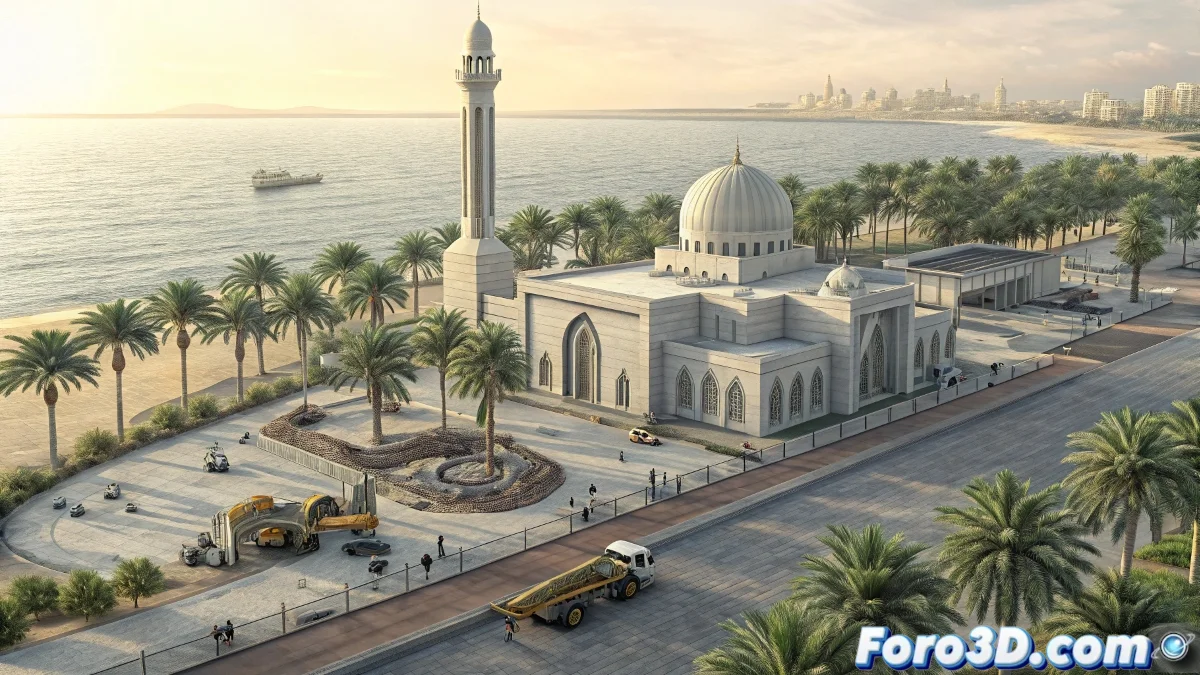
The Sultanate of Oman is writing a new chapter in the history of Islamic architecture with the start of construction of what will be the country's first three-dimensionally printed mosque. This pioneering project combines traditional elements of Omani religious architecture with the advantages of additive manufacturing, creating a temple that respects cultural heritage while embracing the possibilities of the future. The mosque represents not only a technological advancement but also a statement about how tradition and innovation can coexist harmoniously.
The construction process uses large-scale 3D printers that deposit layers of a special compound developed specifically for Oman's climatic conditions. This material, which combines durability and thermal insulation properties, allows for the creation of the complex geometric forms characteristic of Islamic architecture with a precision impossible to achieve using traditional methods. Ornamental elements, traditionally hand-carved, are now printed directly onto the structure.
Innovative Aspects of the Project
- 60% reduction in construction time compared to conventional methods
- Minimization of waste through precise use of materials only where needed
- Incorporation of Islamic geometric patterns directly into the printing
- Structural optimization through computer analysis before construction
Fusion of Cultural Heritage and Technology
The most remarkable aspect of this project is how it maintains the spiritual and aesthetic essence of traditional Omani mosques while employing cutting-edge technology. The design includes characteristic elements such as the mihrab oriented toward Mecca, the minbar for sermons, and the central courtyard, all reinterpreted through digital parameters. The main dome, traditionally the most complex element to build, is printed in sections that are then assembled with millimeter precision.
Faith builds the spirit, technology builds the temple
The architects worked closely with Islamic scholars to ensure that every aspect of the design meets religious and cultural requirements. The spatial arrangement follows traditional mosque architecture principles, while modern ventilation and lighting systems are discreetly integrated into the printed structure. The result is a sacred space that feels authentically Omani even though it was born from 21st-century technology.
Advantages of 3D Printing in Religious Architecture
- Customization of decorative elements without significant additional cost
- Enhanced seismic resistance through computationally optimized structures
- Sustainability through efficient material use and reduced transportation
- Digital preservation of the design for future repairs or replicas
This project sets an important precedent for the construction of religious buildings in the digital age. It demonstrates that technology does not have to erode cultural identity but can enhance it by enabling architectural visions that were previously prohibitive due to their complexity or cost. For Oman, which has carefully preserved its architectural heritage, the 3D-printed mosque represents a natural step in the evolution of its cultural expression.
Those who thought 3D printing was only for modern and minimalist projects probably did not anticipate that it could also recreate the ornamental complexity of traditional Islamic architecture 🕌