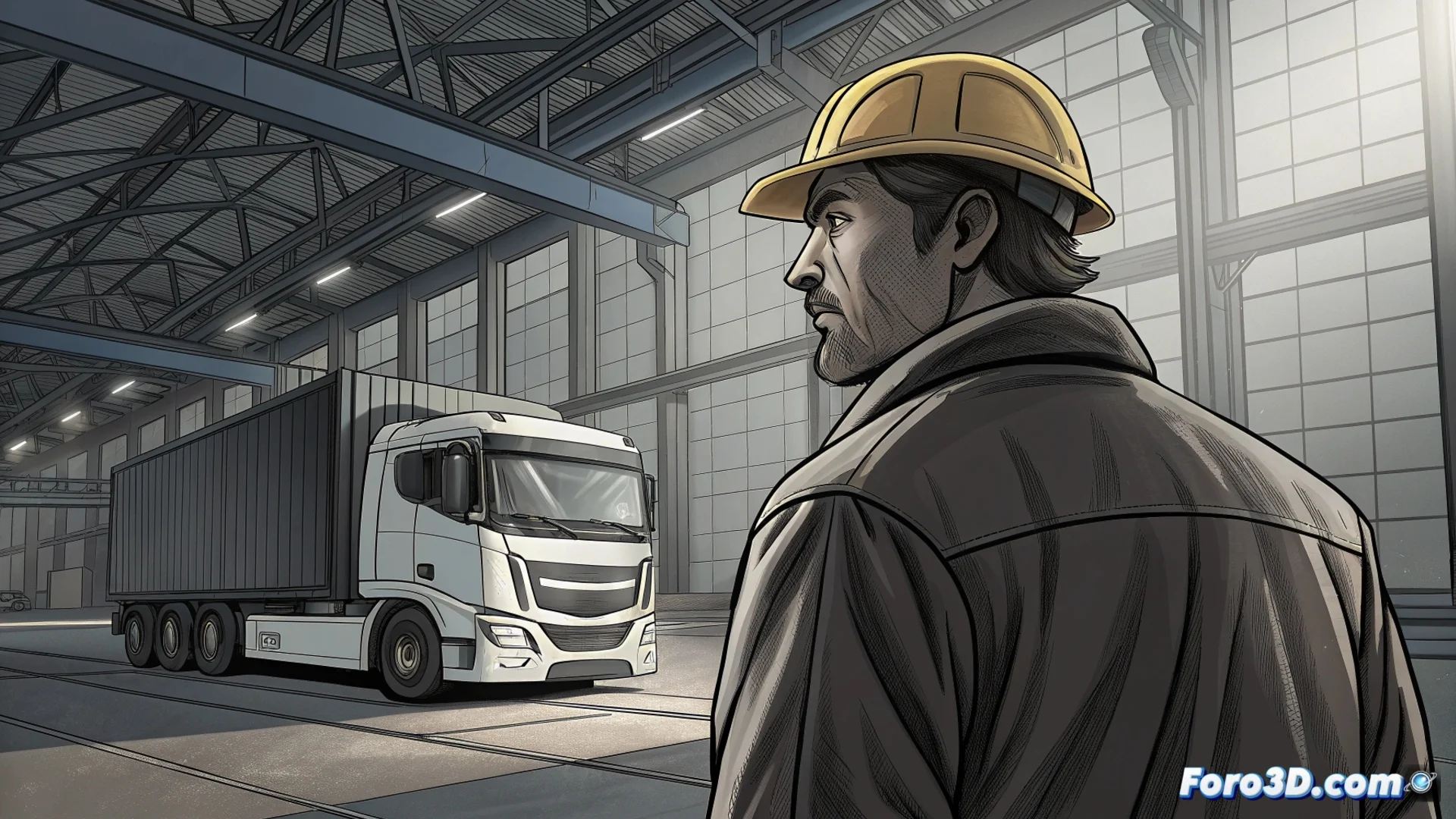
Nikola Motor Operates with a Single Employee After Declaring Bankruptcy
The company Nikola Motor, which specialized in manufacturing electric trucks, is going through an extreme crisis after declaring bankruptcy. Although it maintains operations, its workforce has been drastically reduced to a single worker. Since initiating the bankruptcy process, the company has recorded losses exceeding 556 million dollars. Its assets have a value lower than the total of its obligations, which worsens its insolvency. 📉
The Debt is Based on Unsecured Bonds
Most of the debt that Nikola carries comes from unsecured bonds issued before declaring bankruptcy. This complex financial structure makes it difficult to negotiate with creditors or reorganize the company. As it progresses through the legal process, Nikola seeks to recover some capital through settlements from lawsuits it filed against its own founder, Trevor Milton.
Key Details of the Financial Situation:- Accumulated losses exceeding 556 million dollars since the bankruptcy filing.
- The value of the assets is less than the total debt amount, confirming insolvency.
- The main debt consists of unsecured bonds, complicating restructuring.
Nikola's case has become an emblematic example of the difficulties in the competitive electric vehicle sector.
The Future Hangs on Litigations and Debt Renegotiation
The path for Nikola Motor to survive now is very limited. Its long-term continuity seems to depend almost entirely on two factors: the outcome of pending legal litigations and a successful restructuring of its overwhelming debt, which for now does not seem easy to achieve.
Factors Determining Its Future:- Resolving legal claims against founder Trevor Milton to obtain settlements.
- Achieving an agreement with bondholders to renegotiate the debt.
- Navigating the complex Chapter 11 bankruptcy process in the United States.
A Legacy of Unfulfilled Promises
Although it promised to revolutionize transportation with zero-emission trucks, Nikola ultimately only managed to electrify its loss accounting on a large scale. Its current situation underscores the enormous challenges of capital, execution, and competition in the electric vehicle industry, where many startups struggle to go from prototype to sustainable business. 🚛⚡