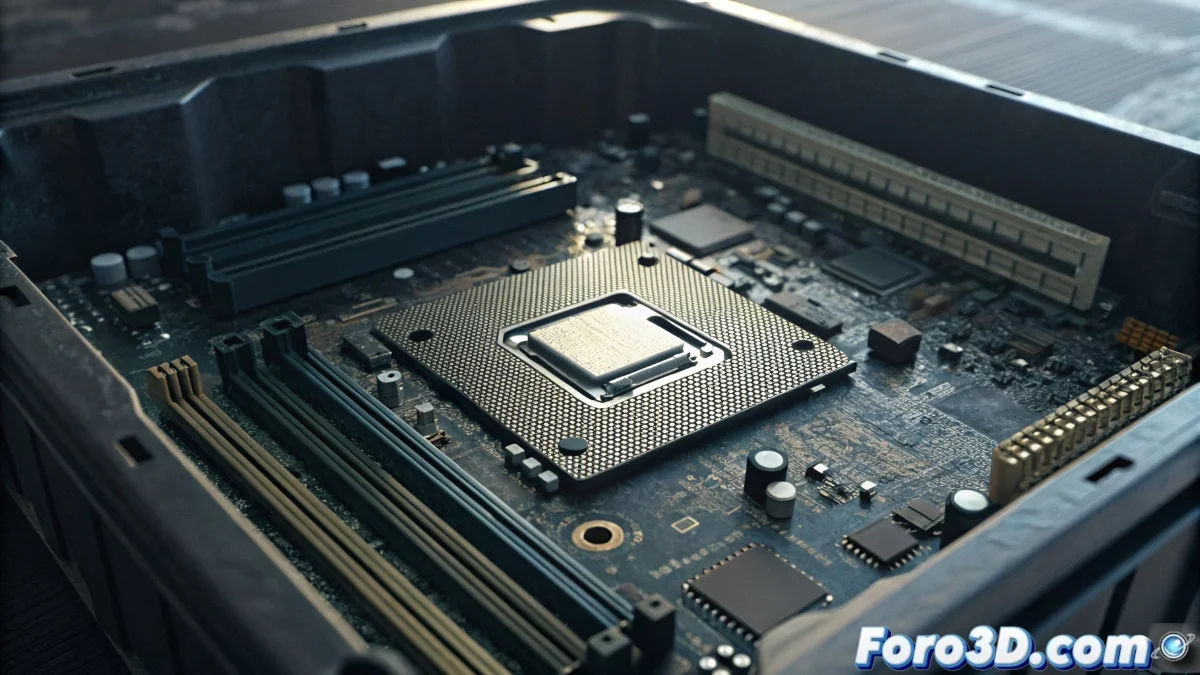
Planned Obsolescence in Asus, Gigabyte, and MSI Motherboards
The systematic incompatibility between processor generations has become a growing concern for the hardware community. Leading brands like ASUS, Gigabyte, and MSI implement socket changes that force consumers to purchase new motherboards with each CPU update, drastically limiting the lifespan of components 🖥️.
Accelerated Socket Rotation
Manufacturers introduce new connection designs at an alarming frequency, making popular sockets like Intel's LGA 1151 or AMD's AM4 obsolete in insufficient timeframes. This strategy not only affects backward compatibility but transforms simple updates into costly full platform renewals.
Concrete examples of incompatibility:- Transition between Intel LGA generations without backward support
- Changes in AMD socket pinouts between revisions
- BIOS updates that do not resolve physical incompatibility
"Each new socket seems designed more for the companies' financial balance than for real technological advancement" - Frequent hardware forum user
Economic and Ecological Consequences
The financial impact falls directly on consumers, who must bear unforeseen expenses upon discovering that their current motherboard does not support the processor they wanted to install. Parallely, the accelerated replacement cycle generates mountains of electronic waste that is difficult to recycle 🔄.
Documented collateral effects:- 40% increase in electronic component waste
- Upgrade budgets that double or triple
- Community frustration over the perception of commercial strategies
Justifications versus Realities
While manufacturers argue technical and performance improvements, many experts point out that changes could be implemented while maintaining some compatibility. The widespread suspicion points towards market strategies that prioritize recurring sales over sustainability and consumer economy 💸.