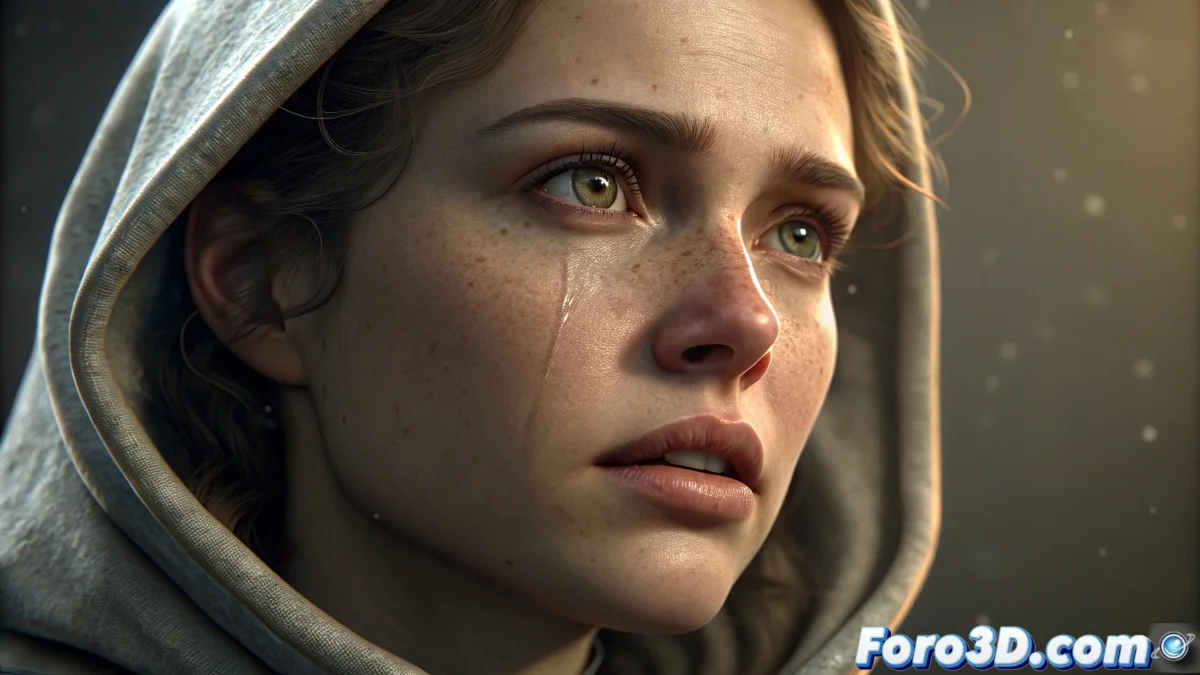
NVIDIA Releases Audio2Face: AI Facial Animation Now Open Source
In a move that promises to democratize access to cutting-edge animation tools, NVIDIA has announced the release as open source of its Audio2Face technology. This innovative generative AI tool allows developers and artists to create realistic facial animations and precise lip-sync directly from an audio file, without the need for motion capture or extensive manual animation. This strategic decision not only accelerates the adoption of the technology but also fosters community-driven innovation in one of the most complex fields of digital animation. 🗣️
How Audio2Face Works: From Audio Waveform to Facial Expression
The magic of Audio2Face lies in its ability to analyze phonetic characteristics and emotional tone from an audio track and automatically translate them into believable facial movements. The technology uses deep neural networks trained on thousands of hours of audio data and their corresponding facial animations. When processing a sound file, the AI not only identifies the phonemes needed for lip-sync but also infers emotional expressions based on intonation, rhythm, and speech intensity. The result is a complete animation that includes lip, cheek, eyebrow, and eyelid movements, creating a character that appears to be speaking genuinely.
Main Features of Audio2Face:- Automatic lip-sync generation from audio
- Full facial expression animation (not just the mouth)
- Detection and implementation of emotions based on voice tone
- Compatibility with facial animation standards like ARKit and Faceware
- Integration with 3D applications via USD (Universal Scene Description)
Implications of the Open Source Release
By making Audio2Face open source, NVIDIA is enabling developers, independent studios, and researchers to access, modify, and improve the technology according to their specific needs. This significantly reduces entry barriers for creating content with high-quality facial animations, which previously required either expensive motion capture equipment or countless hours of manual work by specialized animators. The community can now optimize models for specific languages, adapt the technology to non-realistic artistic styles, or integrate it directly into game engines and custom production pipelines.
Audio2Face open source represents a paradigm shift: cinematic-level AI is now within everyone's reach.
Practical Applications in the Entertainment Industry
The applications of this technology are vast. In video game production, it enables mass and cost-effective generation of NPC dialogues. In animation and VFX, it dramatically accelerates the previsualization and production of dialogued scenes. For dubbing and localization, it facilitates lip re-animation for different languages. Even in education and virtual entertainment, it enables the creation of realistic conversational avatars. With the open source version, these applications can expand to unforeseen domains, from therapeutic tools to immersive virtual reality experiences.
Typical Workflow with Audio2Face:- Import a 3D model with blendshapes or facial rig
- Load the audio file (WAV, MP3 formats compatible)
- Configure style and emotional intensity parameters
- Automatically generate the animation with one click
- Adjust and refine the resulting animation if necessary
- Export the animation for use in the desired engine or software
The Future of Facial Animation with Community AI
NVIDIA's decision sets an important precedent in the industry. By releasing Audio2Face as open source, they are not only sharing a tool but also cultivating an ecosystem of collaborative innovation. It is foreseeable that specialized forks will emerge for different types of animation (anime style, caricature, etc.), integrations with specific software, and performance improvements for less powerful hardware. This openness collectively accelerates technology development, benefiting even NVIDIA by establishing its architecture as the de facto standard in AI facial animation.
A New Era for Animators and Developers
For animation professionals, Audio2Face should not be seen as a threat but as a productivity booster tool. It frees animators from the mechanical and repetitive task of lip-sync, allowing them to focus on subtle acting, character direction, and key emotional moments that truly define a great performance. The technology handles the predictable, while the artist concentrates on the exceptional. This symbiosis between intelligent automation and human creativity represents the most promising future for the animation industry.
The release of Audio2Face as open source marks a turning point in the democratization of animation technology. NVIDIA is not just sharing code; they are sharing the ability to bring digital characters to life in a convincing and accessible way. This move will likely inspire a new wave of innovation in facial animation, where the best ideas will not necessarily come from corporate labs, but from the infinite creativity of a global community of developers and artists who now hold one of the most powerful tools ever created to animate the human face in their hands.