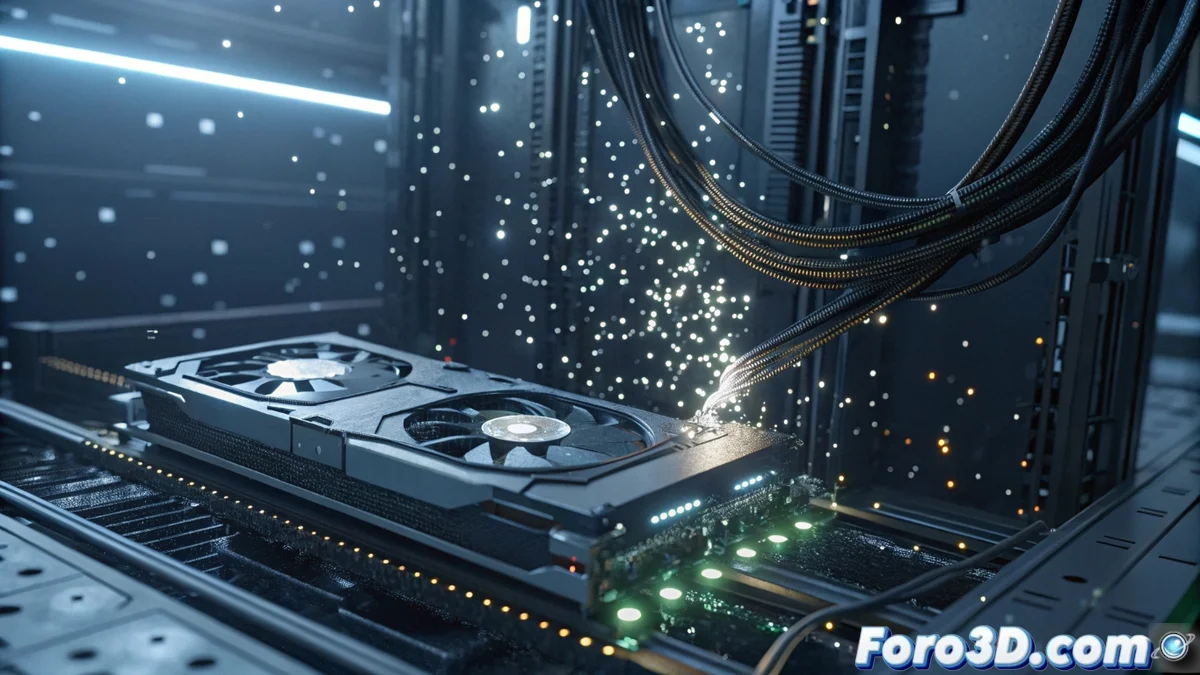
NVIDIA Optimizes Shader | Compute for Superior Graphics Performance
The company NVIDIA has introduced significant advances in its graphics processing architecture, focusing on the Shader | Compute system. These improvements are designed to maximize the efficiency of Graphics Processing Units (GPUs) when handling intensive workloads, commonly found in the development of next-generation video games and complex simulations. The result is a smoother and more productive user experience within digital creation environments. 🚀
Direct Impact on the Creative Workflow
The main advantage of these updates lies in the accelerated integration of Shader | Compute capabilities within professional software applications. This advancement directly addresses the demands of 3D industry artists and technicians, who seek to reduce technical barriers between the idea and the final result. The optimization manifests in two key areas: a notable decrease in rendering times and a leap in real-time visual quality available during the preview phase.
Key Benefits for the Creator:- Rendering Acceleration: Heavy computational processes complete in less time, streamlining production cycles.
- Real-Time Quality: Improvement in visual fidelity during interaction with complex scenes, enabling more informed creative decisions.
- Energy Efficiency: Better hardware resource management can translate into optimized consumption for equivalent tasks.
These improvements directly connect with the needs of 3D content creators, positioning NVIDIA as a key ally in the union of powerful hardware with cutting-edge software.
Applications in the Entertainment and Design Industry
In practical terms, the renewed technology boosts sectors such as video game design and 3D modeling for film and animation. Developers can implement more complex visual effects and more detailed simulation systems without sacrificing the project's overall performance. This allows for exploring more ambitious ideas while keeping deadlines and budgets under control.
Practical Application Areas:- Video Game Development: Implementation of global illumination, advanced physics, and real-time particle effects.
- Architectural Visualization: Fast rendering of complex 3D models with high quality for client presentations.
- Animation and VFX: Simulation of fabrics, fluids, and rigid body dynamics with greater precision and speed.
Reflection on Hardware Evolution
While the expert community values these technical progresses, the question of the lifespan of existing hardware inevitably arises. Each new NVIDIA release prompts users to evaluate whether their current setup can support upcoming software innovations, generating ongoing debate about the upgrade cycle of components and the perception of obsolescence in a fast-moving market. The key for studios and enthusiasts will be to find the balance between adopting new technologies and maximizing investment in their current equipment. 💻