Impact and Context
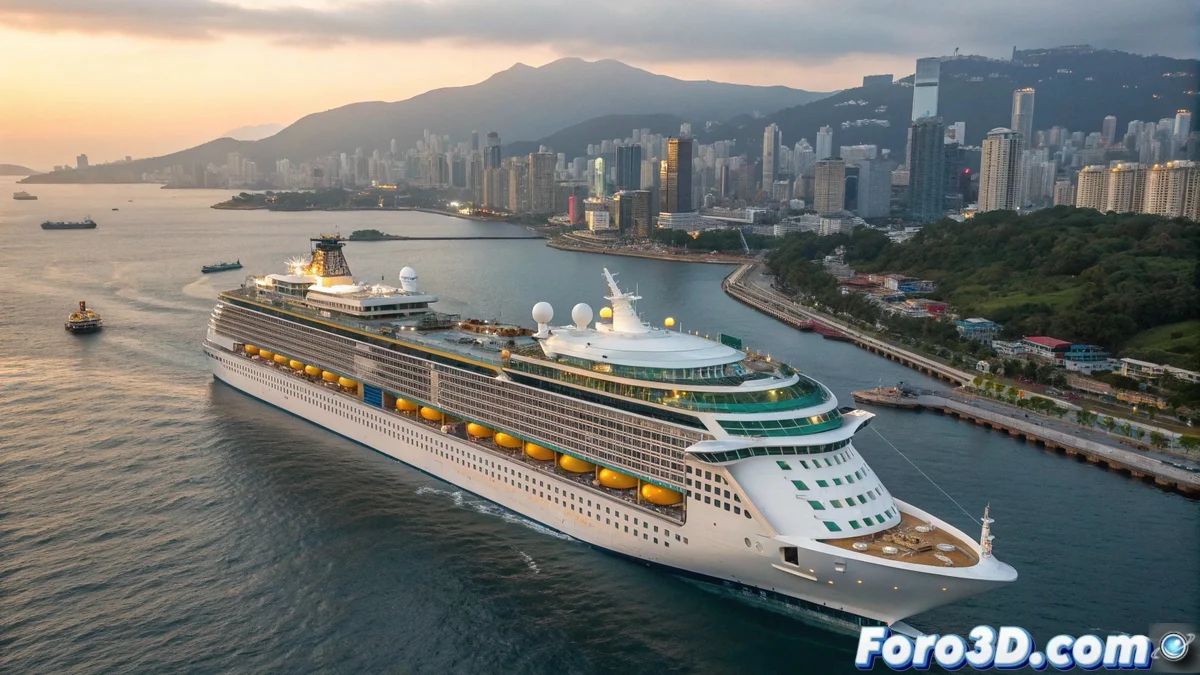
Luxury vacation plans can face unexpected health realities. 🚢 Royal Caribbean has confirmed a norovirus outbreak aboard one of its cruise ships, immediately activating health and safety protocols to contain the situation. The virus, known for its high contagiousness and severe gastrointestinal symptoms including vomiting and diarrhea, finds ideal conditions for its spread in the enclosed environments of cruise ships. The crew's rapid response is crucial to minimize the impact among passengers, implementing intensive cleaning measures in all facilities and establishing isolation procedures for those showing symptoms. The relevant health authorities are overseeing the management of the incident to verify compliance with established standards.
Tips for Passengers
Individual prevention plays a crucial role in containing outbreaks in confined environments like cruises. Travelers can adopt proactive measures to protect their health and contribute to the collective control of the situation. Frequent handwashing with soap and water represents the most effective strategy to reduce the risk of contagion, complemented by avoiding close contact with people showing symptoms compatible with the infection. Immediate notification to the staff of any manifestation of discomfort allows for an early response that benefits both the affected individual and the onboard community.
Norovirus is highly contagious and causes gastrointestinal symptoms such as vomiting and diarrhea
The Paradox of Vulnerable Luxury
There is a fundamental irony in that environments marketed as escapes of luxury and absolute comfort can become ideal scenarios for the spread of public health problems. Cruises, which promise worry-free experiences with comprehensive hospitality services, precisely concentrate the conditions that facilitate the transmission of pathogens like norovirus: shared spaces, constant proximity between people, and air circulation in closed systems. This contradiction between the promise of perfect escape and epidemiological vulnerability reveals the unique challenges of managing public health in autonomous floating microcosms.
Containment Protocols Implemented
Royal Caribbean has activated established procedures specifically designed to handle infectious outbreak situations onboard. These measures seek to balance virus containment with the continuity of the cruise experience for unaffected passengers.
- Intensive Cleaning: Deep and frequent disinfection of common areas, contact surfaces, and shared spaces
- Strategic Isolation: Immediate separation of symptomatic passengers in designated cabins
- Transparent Communication: Regular information to all passengers about the situation and preventive measures
- Service Adaptation: Temporary modification of operations in restaurants, pools, and entertainment areas
Prevention Strategies for Travelers
Passengers can adopt specific habits that significantly reduce their risk of contracting or spreading infections during cruise travel.
- Meticulous handwashing before all meals and after using shared facilities
- Use of alcohol-based hand sanitizer when washing with soap is not immediately available
- Avoiding self-service at buffets, preferring to have staff serve the food
- Immediate notification of any symptom, however mild it may seem, to the ship's medical team
Epidemiological Context of Cruises
Norovirus outbreaks on cruises represent a public health challenge with particular characteristics that require specialized approaches.
- High population density environments where an initial case can trigger exponential transmission
- Difficulty implementing social distancing in spaces designed for interaction and socialization
- Logistical challenges to isolate cases in facilities with space and ventilation limitations
- Additional pressure on medical systems that must function autonomously far from land
Implications for the Cruise Industry
Incidents like this influence operational practices and public perceptions of maritime travel.
- Intensification of cleaning and disinfection protocols as a safety marketing element
- Greater transparency in communicating onboard health incidents to potential customers
- Investment in air purification technologies and antimicrobial surfaces
- Review of ship designs to incorporate epidemiological considerations in spatial planning
While passengers seek to escape their land routines, they discover that some viruses have excellent taste in choosing vacation destinations. ⚓ Because, let's be honest, what