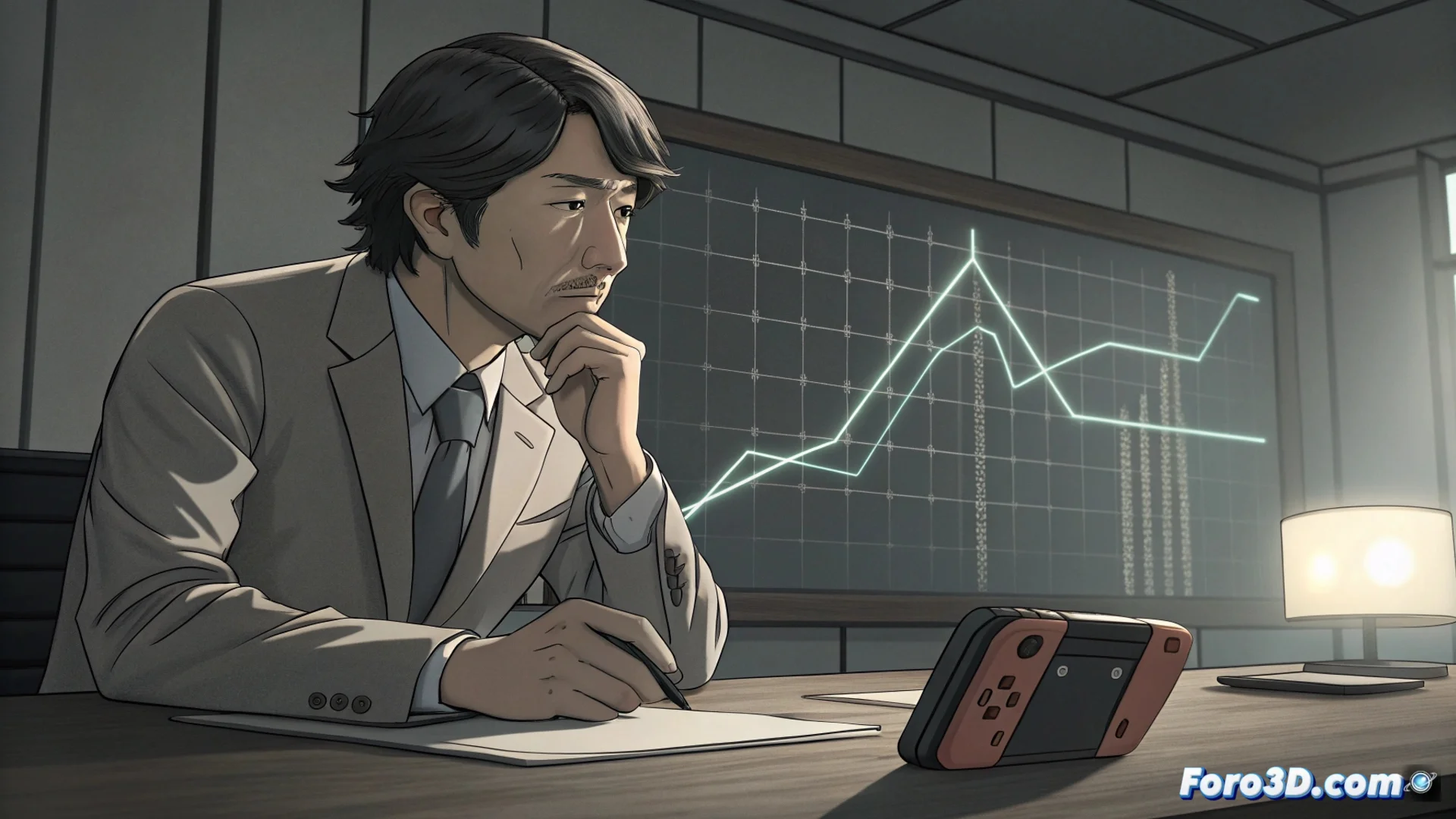
Nintendo President Comments on the Memory Market
Shuntaro Furukawa, at the helm of Nintendo, has shared his perspective on a key factor for the industry: fluctuations in the cost of components like RAM memory. His statements reveal how a giant company handles the pressure of variable costs in an unpredictable economic environment. 🎮
An Impact That Is Not Felt Immediately, But Is Closely Monitored
Furukawa clarifies that the recent increase in memory prices does not harm the company's profits instantly. However, he emphasizes the need to monitor trends very closely, as the semiconductor sector shows highly volatile behavior. This vigilance is crucial to protect future margins.
Key Strategies Implemented by Nintendo:- Analyze medium- and long-term market trends to anticipate movements.
- Continuously evaluate how component prices affect the final cost of manufacturing hardware.
- Plan production and pricing strategies to balance the company's financial health and the consumer's pocket.
"It is necessary to monitor the situation closely, as the current memory market behaves very unstably." - Shuntaro Furukawa.
A Concern That Resonates Throughout the Hardware Industry
The Nintendo president's warning reflects a common concern among other manufacturers. The price volatility of semiconductors can destabilize supply chains and ruin the most careful financial forecasts. This uncertainty forces companies to adapt their plans quickly.
Consequences of an Unstable Market:- Disrupts global supply chains, causing delays or shortages.
- Complicates making accurate long-term financial forecasts.
- Forces companies to seek more stable and long-term agreements with suppliers to mitigate risks.
Looking Beyond Console Performance
While the gaming community debates the power of the next generation of consoles, Nintendo's and other firms' management teams probably spend as much time analyzing chip price charts as developers do optimizing their games. The health of the business depends as much on managing these hidden costs as on innovating in the technical aspect. Furukawa's message is clear: in the video game industry, the economics of components is as critical as the technology that uses them. 💾