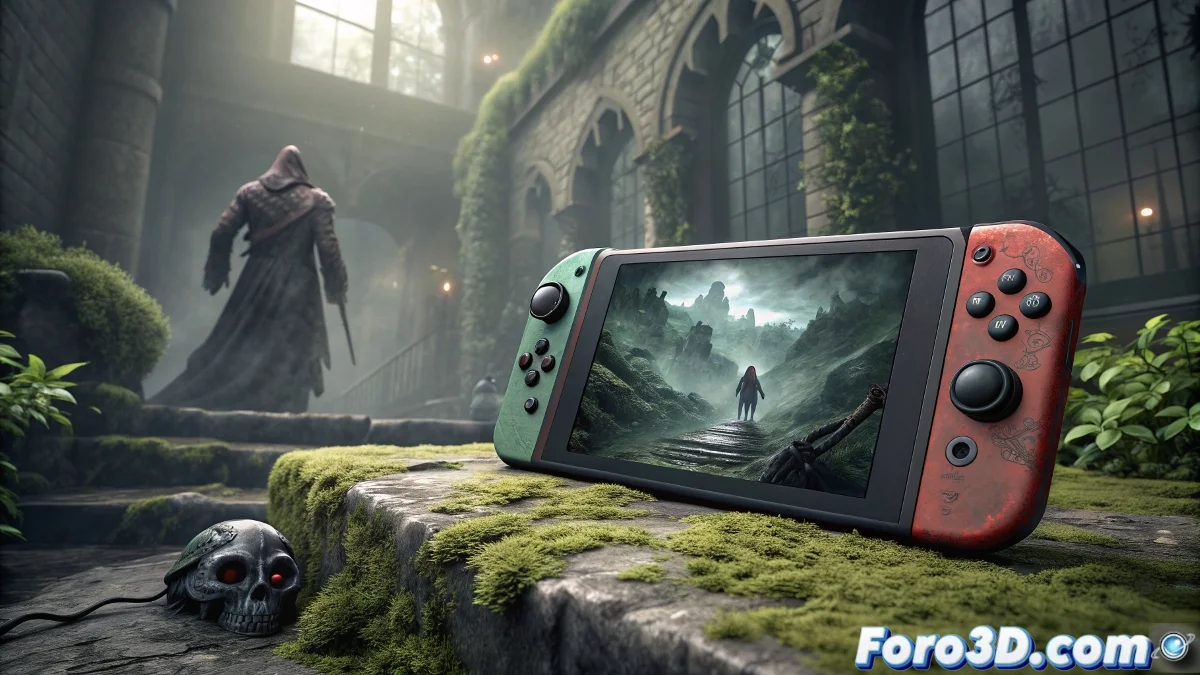
When Nintendo and NVIDIA Reinvent Handheld Graphics
The next generation of hybrid consoles promises to close the gap between visual quality and portability. The implementation of two different DLSS technology modes marks a milestone in console design. Developers will have more sophisticated tools to optimize their games according to the usage mode.
This dual approach responds to a simple reality: what works plugged into the TV doesn't necessarily work the same on a handheld screen. The versatility of NVIDIA technology will allow finer adjustments based on the usage context, promising a consistently polished visual experience. 🎮
The magic of adaptive DLSS could turn the Switch 2 into the most graphically powerful handheld console in history
The Two Flavors of DLSS and Their Practical Applications
Nintendo's strategy seems focused on maximizing battery life without sacrificing visual quality. One mode will prioritize performance and battery duration, while the other will focus on maximum graphical fidelity.
- DLSS Performance for long gaming sessions with optimized power consumption
- DLSS Quality for visually stunning experiences in short sessions
- Automatic switching between modes based on content and workload
- Advanced customization for developers seeking fine-tuning
This flexibility will particularly benefit games with large open worlds and titles that rely on complex visual effects. Players will be able to choose between longer battery life or enhanced graphics according to their immediate needs. ✨
Implications for Developers and 3D Artists
The creative community faces new challenges and opportunities with this architecture. The development pipeline will need to consider two distinct optimization profiles to fully leverage the hardware.
- Creation of assets that scale well between both rendering modes
- Implementation of more sophisticated and dynamic LOD systems
- Optimization of visual effects for different upscaling levels
- Exhaustive testing in both modes during the development cycle
Studios like Ubisoft and Square Enix are already experimenting with these technologies, preparing titles that will make the most of the new console's capabilities. The challenge will be to maintain visual coherence between both operating modes.
The Future of Handheld Gaming Is Redefined
This technological approach could set a new standard for high-end mobile gaming. The gap between desktop and handheld consoles is closing rapidly, thanks to intelligent upscaling technologies.
Players will soon be able to enjoy visual experiences that seemed impossible on handheld devices until recently, all while maintaining control over the balance between performance and battery life. 🚀
And if the battery doesn't last as long as promised, we can always use the console as a portable charger... for our hopes of playing more than two hours straight 😉