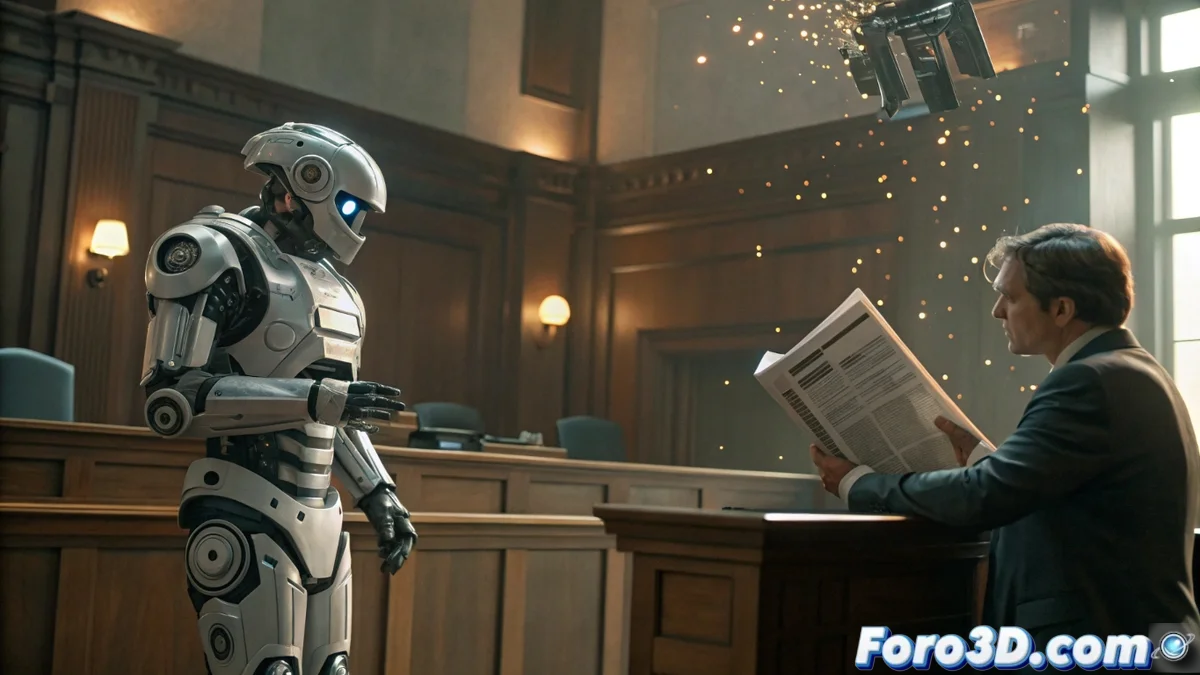
New York Times Lawsuit Against Perplexity for Content Use
A significant legal conflict has arisen between a media giant and an emerging artificial intelligence company. The New York Times has filed a formal lawsuit against Perplexity AI, alleging that its answer engine exploits protected journalistic material without proper authorization. This case could set a crucial precedent for the technology industry. ⚖️
The Basis of the Accusation
The lawsuit filed by the newspaper claims that Perplexity carries out a systematic process of scanning, copying, and distributing content published on its website. The publisher argues that this constitutes a direct violation of its copyrights, as the AI system generates responses that are replicas or very similar versions of the original articles, using specific phrases and textual structures.
Key Points of the Controversy:- Unauthorized use of editorial content for the training and operation of the AI model.
- Generation of responses that replicate the creative substance and original journalistic effort.
- Potential establishment of a legal precedent that affects how other AI companies handle online data.
This litigation underscores the tension between accelerated technological innovation and the protection of human creativity and intellectual property.
Repercussions for the Artificial Intelligence Ecosystem
This judicial confrontation raises profound questions about development practices in the AI field. The case focuses on the origin of the data used to train large-scale language models and how these processes can infringe existing intellectual property laws.
Possible Immediate Consequences:- Mandatory review of data collection policies by tech startups.
- Pressure for the creation of clearer regulations that govern the use of online content for AI purposes.
- Risk that other publishers and content creators file similar lawsuits, generating a wave of litigation.
A Dilemma Between Innovation and Rights
The New York Times vs. Perplexity case encapsulates the central debate about how far technology can advance using others' creative work as a base. The lawsuit suggests that, without clear limits, AI could consume and reproduce ideas at a pace that discourages original creation. The outcome of this legal process will likely influence future ethical and legal guidelines for artificial intelligence development, defining the boundary between technological inspiration and undue appropriation. 🔍