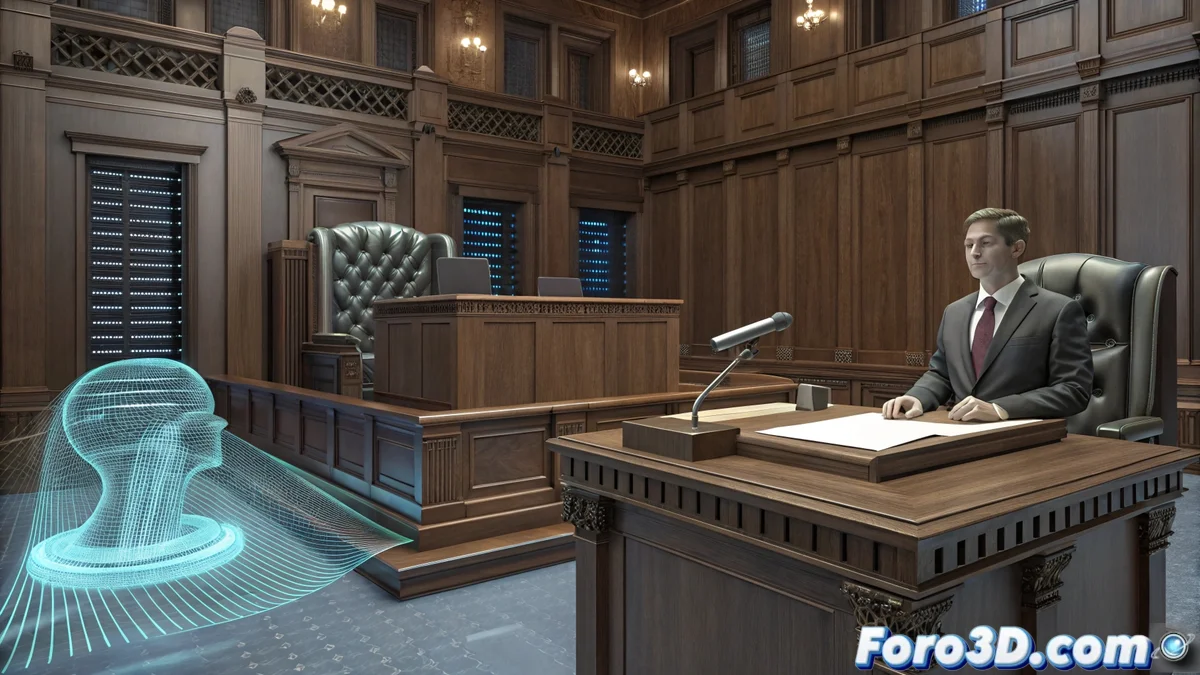
New York Legislates on the Use of AI Voices in Advertising
The state of New York has taken a pioneering step by approving a law that establishes clear rules on how companies can use voices generated by artificial intelligence in advertising campaigns. Signed by Governor Kathy Hochul, this regulation aims to protect people's vocal identity in an environment where technology makes it easy to convincingly replicate sounds. 🎤⚖️
A Legal Right to Control One's Unique Voice
The legislation grants individuals, especially artists and voice actors, the legal right to oversee and authorize the use of their distinctive voice. This directly addresses long-standing alarms, such as those from the SAG-AFTRA actors' union, about the risks of impersonation and unauthorized use in marketing.
Key Pillars of the New Law:- Requires companies to obtain written permission, specific and explicit, to use a digital replica of a person's voice.
- The rule applies even if the original voice is modified, edited, or combined with other recordings.
- If someone uses a synthetic voice without authorization, the affected person has legal grounds to file a lawsuit.
This law defines "unique voice" broadly, covering any sound that the public can identify with a specific person.
A Concrete Framework Against Federal Ambiguity
This state action arises because federal right of publicity laws in the United States do not clearly address the issue of digital voice replicas. New York's rule provides a concrete legal framework for a technology area that is advancing rapidly, and it is expected that other states may follow this example, pressuring for broader federal regulations.
Implications and Paradoxes of the New Scenario:- The law seeks to protect human voices from unauthorized exploitation in an advertising market adopting AI.
- There is the paradox that technology companies could evade the rule by generating completely artificial voices that do not imitate anyone in particular.
- The future could feature ads with perfectly legal AI voices, simply because they do not belong to any real human being.
A Precedent for the Digital Era
This legislation marks an important precedent in how societies can adapt their legal frameworks to protect individual rights against disruptive technologies. Although it presents challenges, it establishes a clear principle: consent is the foundation for using a person's vocal identity, a resource that AI can now replicate with ease. 🛡️🤖