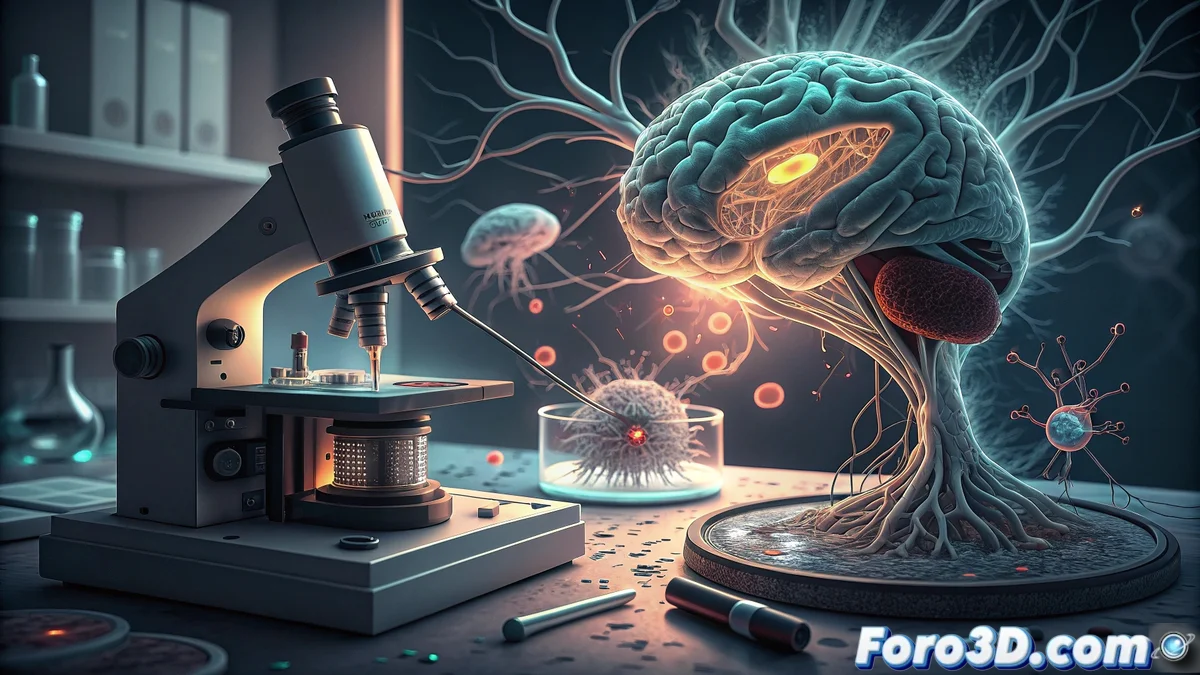
When Stem Cells Play the Role of Brain Repairers
An innovative treatment based on stem cell injections has demonstrated remarkable efficacy in repairing brain damage in mouse models that have suffered strokes. This therapeutic approach offers extraordinarily promising prospects for the future development of treatments in human patients affected by cerebrovascular accidents. The ability to regenerate damaged neuronal tissue represents one of the holy grails of modern neurology. 🧠
The Mechanism Behind Brain Repair
The stem cells injected directly into the brains of the mice successfully integrated effectively into the damaged tissues and actively promoted neuronal regeneration. The researchers observed significant recovery in the areas affected by the oxygen deprivation characteristic of strokes, with substantial improvements in synaptic communication between neurons and a notable reduction in post-vascular event inflammatory processes in the brain.
Promising Results in Animal Models
The mice treated with this experimental therapy showed significant improvements in motor coordination tests and memory function when compared to the control groups. Most encouragingly, these positive effects persisted for several weeks after the intervention, suggesting that the therapy could have lasting potential rather than being merely temporary.
- Tissue Regeneration: Active repair of damaged brain tissue.
- Synaptic Improvement: Restoration of neuronal connections.
- Inflammatory Reduction: Decrease in harmful inflammatory response.
- Functional Recovery: Restoration of motor and cognitive abilities.
The ability of stem cells to differentiate into various cell types makes them ideal tools for tissue repair.
Future Prospects for Human Neurology
Although clinical trials in humans have not yet begun, these preliminary findings suggest that stem cell therapy could become a revolutionary approach to treating strokes, repairing damaged brain tissue and restoring lost neurological functions. The potential of this technology extends beyond strokes, potentially applicable to other neurodegenerative conditions.
The Challenge of Clinical Translation
One of the greatest challenges will be adapting these promising results obtained in animal models to the complexity of the human brain. Factors such as scale, greater cellular diversity, and differences in natural recovery processes represent significant obstacles that must be overcome through further research and carefully designed trials. 🔬
Precise Mechanisms of Action
Scientists continue to investigate the exact molecular mechanisms by which stem cells promote brain repair. Evidence suggests that they not only physically integrate into the tissue but also secrete neurotrophic factors that stimulate neuronal plasticity and create a favorable microenvironment for regeneration.
Ethical and Safety Considerations
Before any extensive clinical application, crucial safety issues regarding the potential for tumor formation, adverse immune responses, and precise control of cell differentiation must be addressed. The scientific community insists on the need to proceed with caution despite the promising results.
It seems these mice have discovered the neuronal equivalent of having a specialized construction team repairing brain highways, while humans still rely on the natural potholes of neuronal plasticity. Evolution sometimes needs a little technological help. 😅