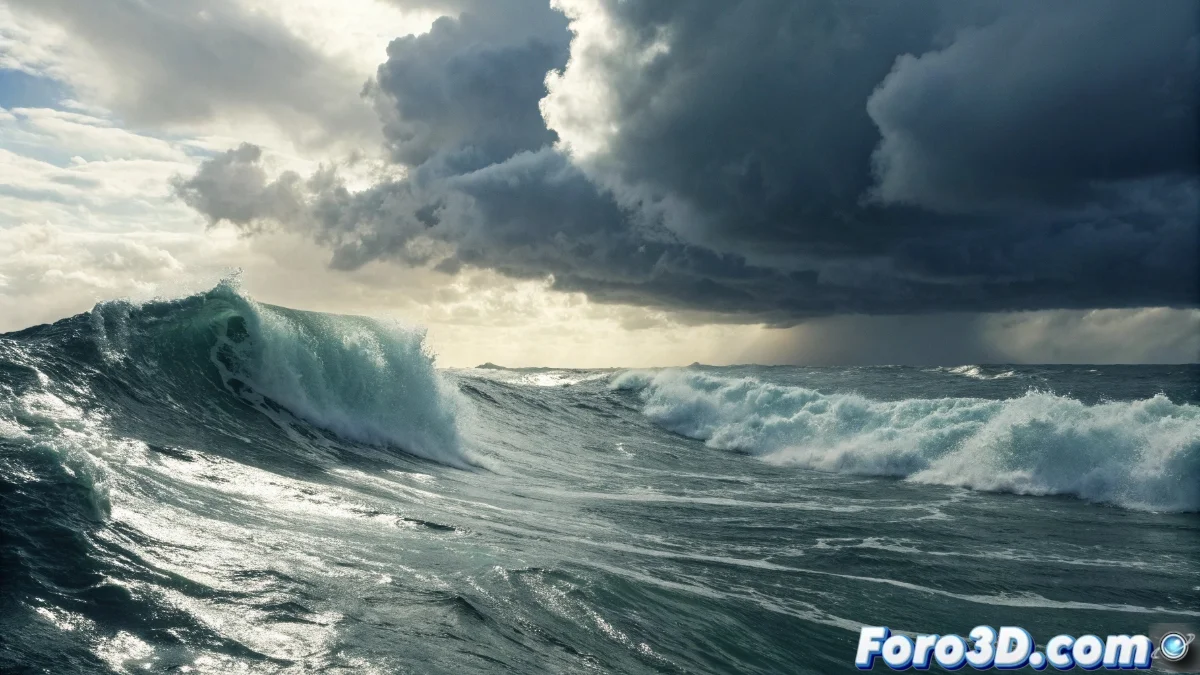
New Oceanic Simulation in Blender 5: Realistic Waves and Dynamic Effects
The latest version of Blender revolutionizes the creation of aquatic environments with a oceanic simulation system rebuilt from scratch. Employing precise physical calculations, it generates authentic water movements that react to variables like wind and gravity through optimized geometry nodes and shaders 🌊.
Initial Setup of the Marine Environment
To activate the ocean, a basic plane is inserted and assigned the Ocean modifier. This contains essential controls for scaling the sea, defining mesh resolution, and managing subdivisions. Instant preview speeds up visual tests, facilitating iterative adjustments without rendering.
Main features of the modifier:- Independent adjustment of wave height, swell frequency, and wind direction
- Intuitive interface that streamlines the artistic workflow
- Real-time preview to validate configurations quickly
The system transforms the creation of marine scenes, offering total control over oceanic dynamics with photorealistic results.
Advanced Animations and Integrated Effects
The engine's power lies in its ability to animate waves automatically using FFT algorithms (Fast Fourier Transform). It is possible to incorporate external forces like storms or currents that alter the surface. Additionally, it generates foam and splashes in real time based on wave intensity, eliminating the need for manual post-processing.
Incorporated dynamic elements:- Automatic foam generation based on physical parameters
- Splash effects that respond to collisions and wind
- Integration of cinematic sequences ready for rendering
Impact on Creative Productivity
Artists can now spend hours watching the hypnotic movement of digital waves instead of being distracted by the real sea. While productivity might be questioned, the visual satisfaction and realism achieved fully justify the tool 🎨.