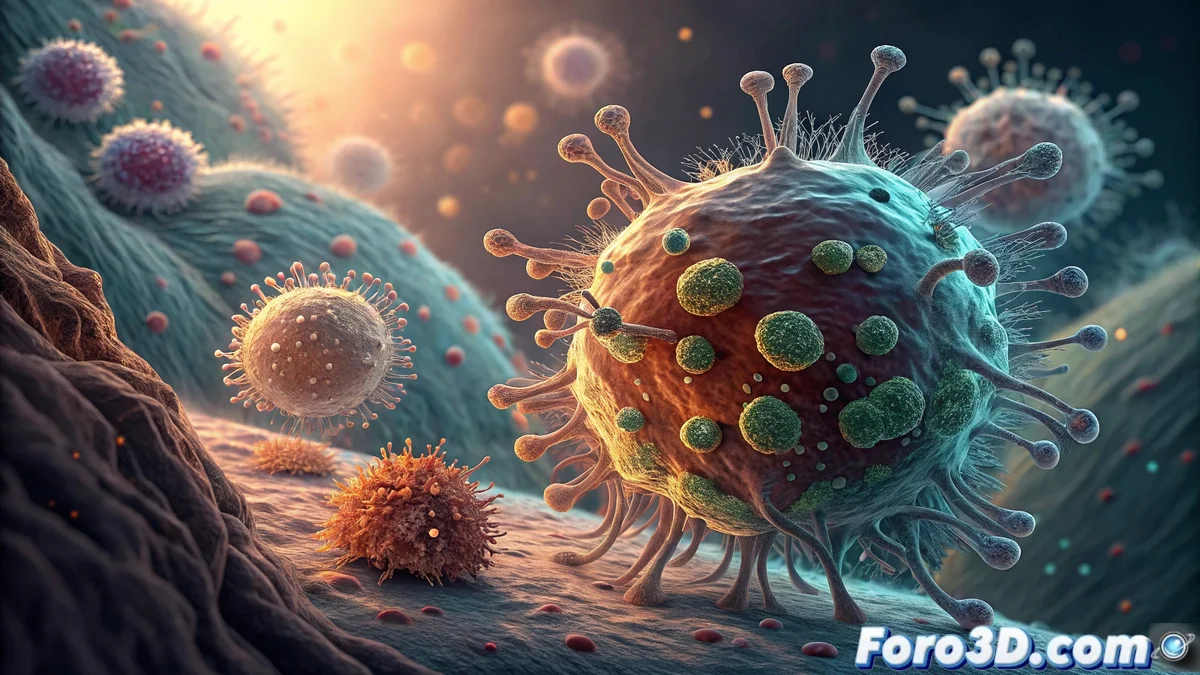
New evidence links the Epstein-Barr virus to the development of lupus
A revolutionary study by the Stanford Medicine team has unveiled how a common virus can be the main trigger of lupus, an autoimmune disease that affects millions globally. The research demonstrates that the Epstein-Barr virus has the unique ability to infect and reprogram immune cells, turning them into destructive agents against the body's own tissues 🦠.
Discovered cellular reprogramming mechanism
For the first time, scientists have identified the exact molecular process by which this pathogen hijacks the B cells of the immune system. Normally responsible for our protection, these cells are transformed into autoimmune conductors that trigger attacks against healthy tissues, initiating the characteristic inflammatory response of lupus.
Key findings of the infectious process:- The virus alters gene expression in B cells, modifying their original function
- Infected cells become active orchestrators of the autoimmune response
- A sustained inflammatory cascade is established that perpetuates the disease
After decades of mystery, we finally have a suspect with fingerprints everywhere and a recorded confession, although the virus still denies any responsibility claiming it was just visiting.
Revealing epidemiological disparity
The study reveals abysmal differences in infection prevalence between lupus patients and healthy controls. This disparity provides one of the most compelling pieces of evidence to date on the causal relationship between viral infection and the development of the autoimmune disease.
Significant statistical comparisons:- In lupus patients: 1 in every 400 B cells is infected
- In healthy individuals: fewer than 1 in every 10,000 cells shows infection
- The 25 times higher prevalence difference reinforces the causal connection
Implications for future treatment
This discovery represents a paradigm shift in the understanding of lupus, opening new therapeutic avenues that could focus on the underlying viral infection. The identification of this mechanism not only explains decades of clinical observations but also suggests preventive strategies and treatments specifically targeted at the Epstein-Barr virus 🎯.