New Dimensions for Animated Storytelling
The fusion between traditional animation techniques and immersive technologies is redefining the boundaries of visual creation. This technological convergence enables experiences where the viewer is no longer a mere observer, but an active participant within animated universes. What was once confined to two-dimensional screens now expands into interactive three-dimensional spaces.
Technologies Transforming the Experience
Three approaches stand out in this immersive revolution:
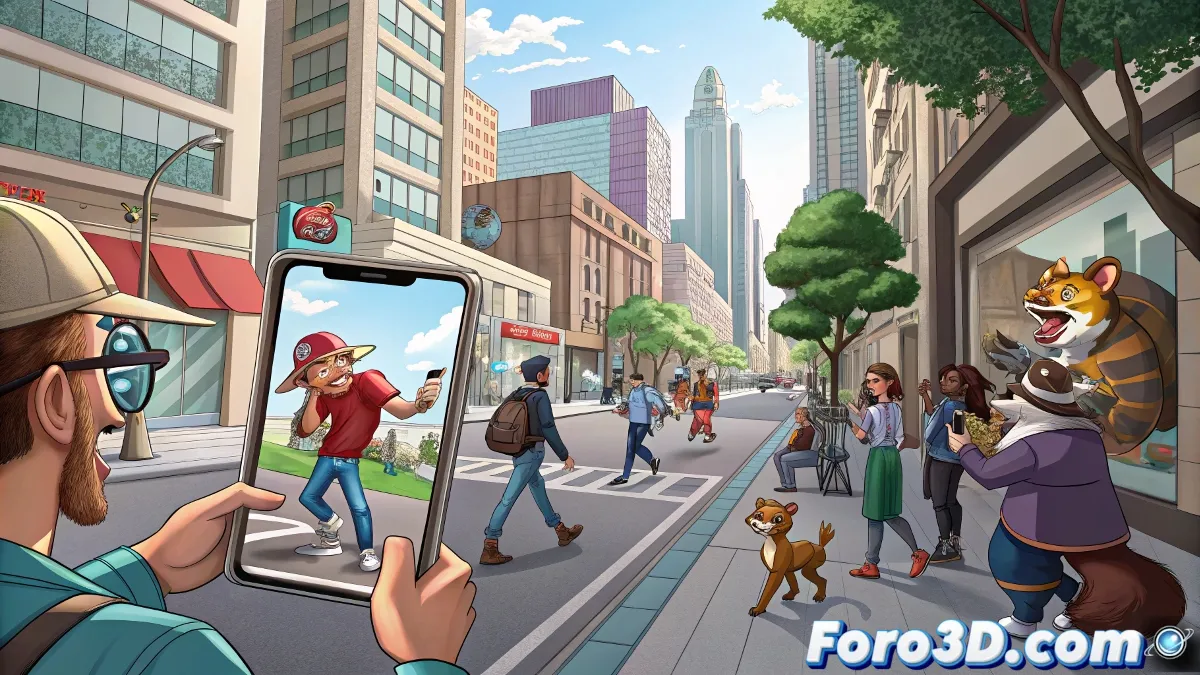
- Augmented Reality: Overlay of animated elements onto physical environments
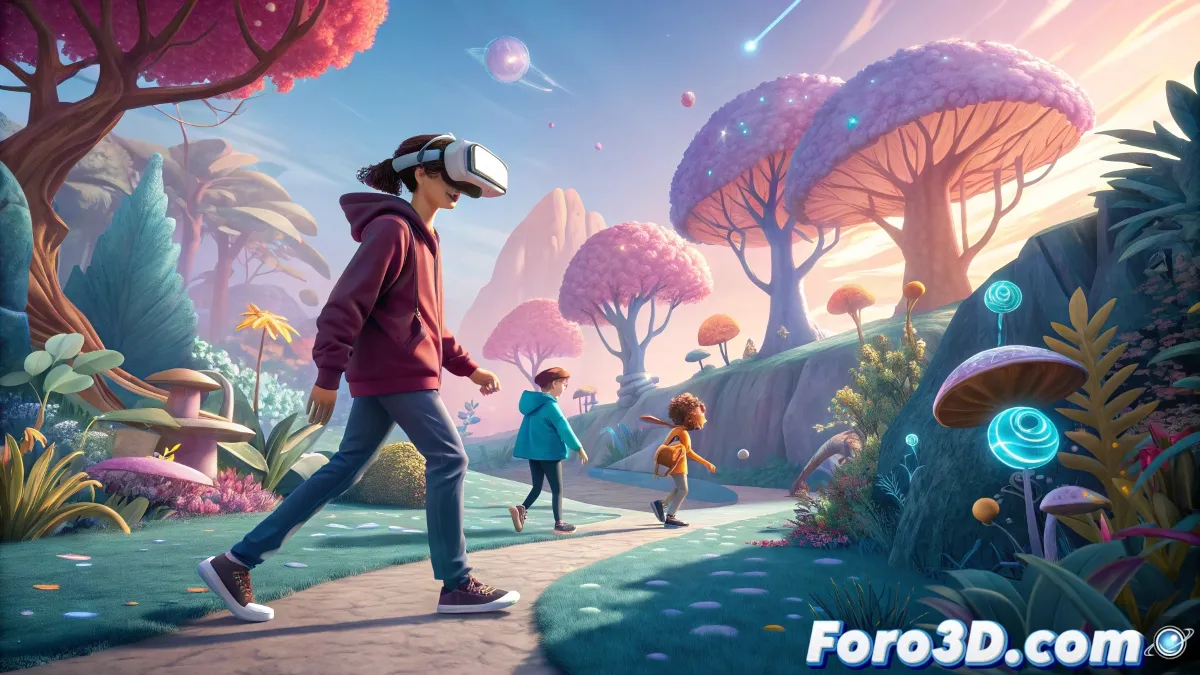
- Virtual Reality: Total immersion in digitally constructed animated worlds
- Hybrid Experiences: Combination of both technologies for adaptable narratives
"The true magic happens when animation leaves the screen and begins to inhabit our space"
Innovative Fields of Application
These technologies are finding application in various fields:
- Interactive education through historical or scientific animations
- Themed attractions with characters that respond to visitors
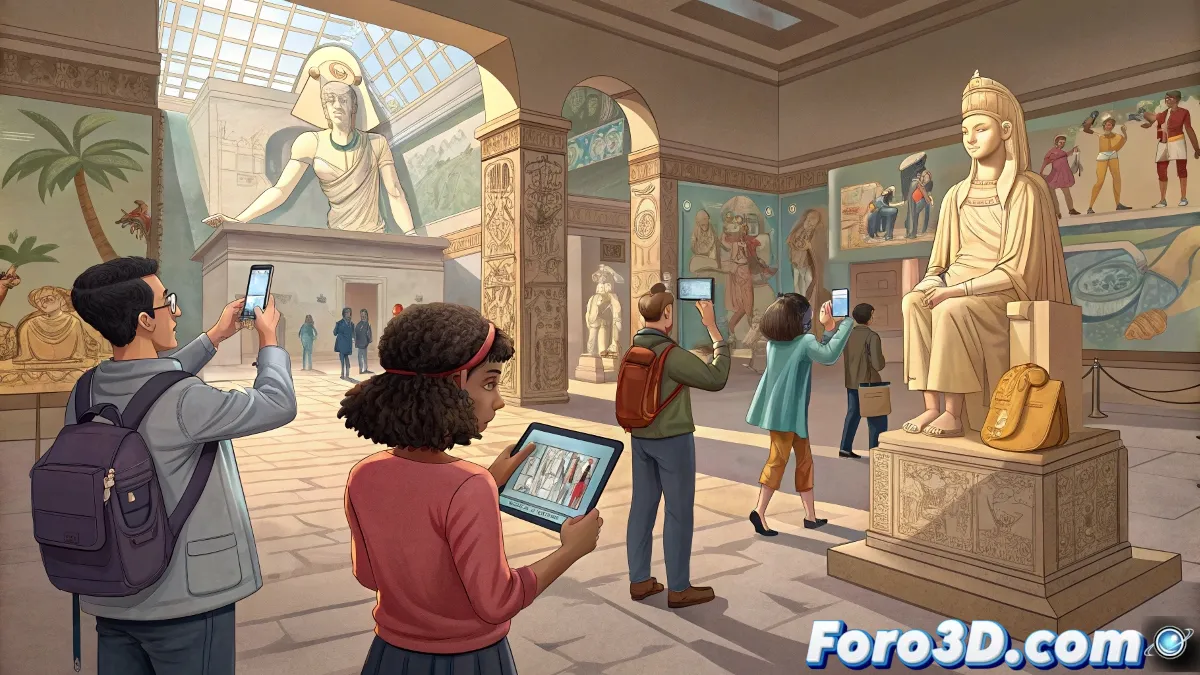
- Museums where artworks come to life before spectators
- Personalized narratives that adapt to user decisions
Challenges and Creative Opportunities
As these technologies advance, creators face the challenge of mastering new visual languages. Immersive animation requires reconsidering fundamental concepts such as framing, narrative pacing, and interaction with the viewer. However, these current limitations also represent fertile ground for artistic innovation.
The future of animation seems to be heading towards increasingly personalized and sensory experiences, where stories are no longer told, but lived. This technological evolution does not replace traditional forms, but rather expands the spectrum of creative possibilities for visual storytellers.