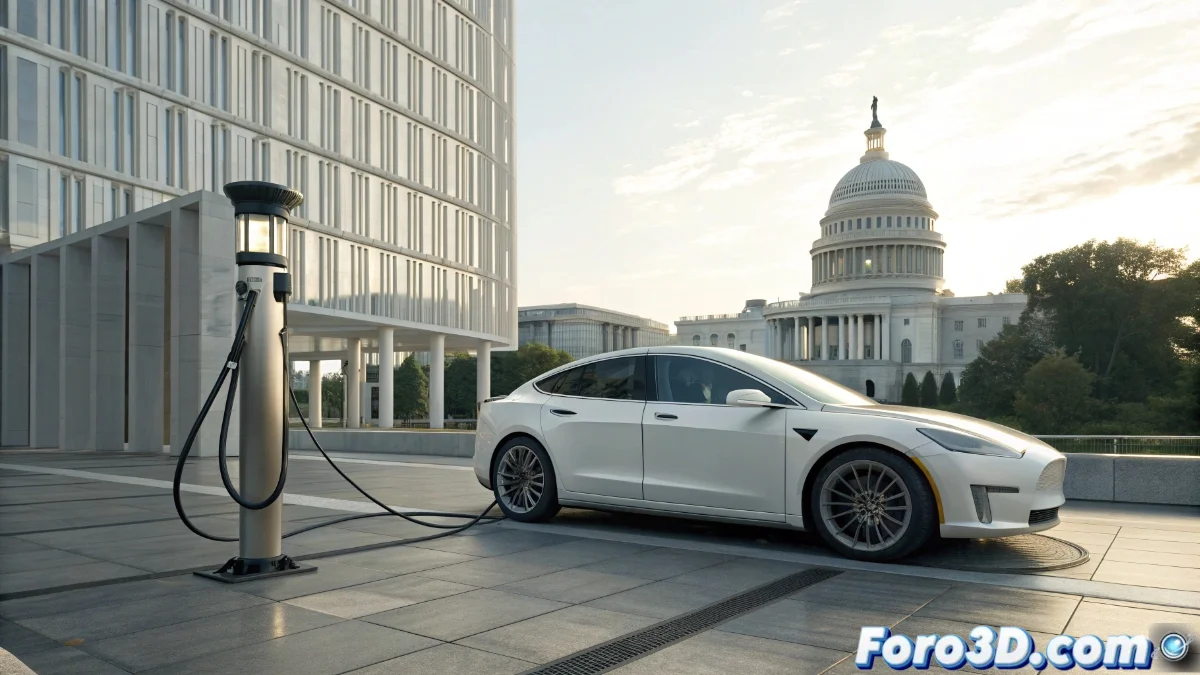
New Aid Plan for Electric Vehicles with Centralized Management
The Government is finalizing a new incentive program for the acquisition of electric vehicles, which will transfer management from the autonomous communities to the central administration. This transformation aims to accelerate bureaucratic processes and eliminate the delays accumulated in previous calls, responding to criticism from users and manufacturers about the slowness in processing. 🚗⚡
Integration into the Auto 2030 Plan and Extension of Moves III
This initiative aligns with the Auto 2030 Plan, a comprehensive strategy that covers purchase incentives, battery development, research, and deployment of charging infrastructure. While the details of the new program are being finalized, the Moves III Plan has been extended with a budget of 400 million euros, maintaining aids of up to 7,000 euros for individuals who recycle old vehicles and offering tax deductions for the installation of charging points.
Key Components of the Auto 2030 Plan:- Direct economic incentives for the acquisition of electric vehicles
- Promotion of research in battery technologies and autonomy
- Expansion of the fast charging infrastructure network
Centralizing the aids will allow for a more agile and transparent system, although beneficiaries maintain a healthy skepticism based on previous experiences.
Pending Aspects to be Defined
Although the strategic direction is clear, several crucial elements remain unspecified, including the exact amount of subsidies, application periods, and definitive eligibility criteria. The authorities assure that administrative centralization will facilitate a more efficient mechanism, although many potential recipients are watching cautiously after suffering delays in previous programs.
Details Pending Specification:- Specific amount of aids per vehicle and access conditions
- Official calendar for opening and closing calls
- Technical and documentary requirements for applicants
Expectations and Administrative Challenges
The true test of fire for this new system will be to demonstrate that state bureaucracy can operate with the promised speed, exceeding agility expectations that could even be compared to the performance of an electric vehicle in maximum mode. Transparency and efficiency in management will be determinant for the final success of these measures to promote sustainable mobility. 📈🔋