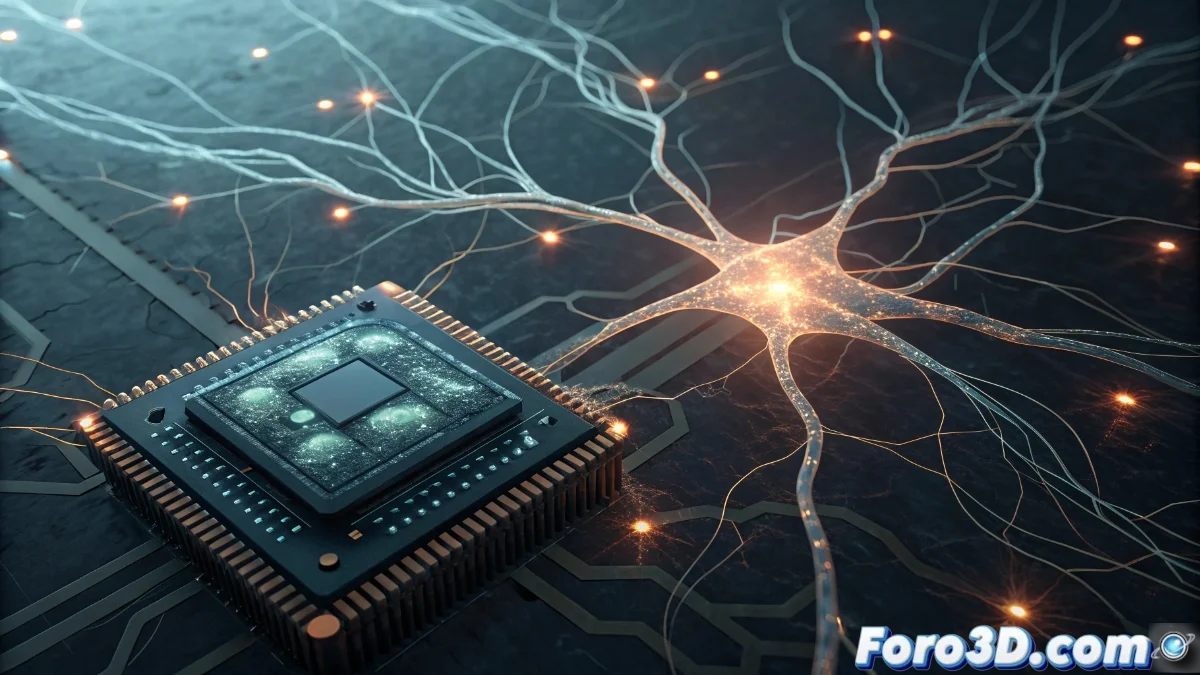
Neuromorphic Chips: The Energy Revolution in Artificial Intelligence
Contemporary artificial intelligence faces fundamental challenges in energy consumption and processing speed. Neuromorphic chips emerge as a revolutionary alternative by emulating the organization and functioning of the human biological brain. These specialized processors reproduce synaptic connections through electronic components that act as artificial neurons, enabling complex operations with radically lower energy demands than conventional systems 🧠.
Innovative Bio-Inspired Design
The essence of these processors lies in their radically different architecture from traditional von Neumann models. In contrast to the separation between memory and processing unit, neuromorphic circuits fuse both capabilities in a manner similar to organic neural networks. They employ memristors and other synapse-like elements capable of storing and processing information simultaneously, thus eliminating the limiting data transfer bottleneck that affects current computers.
Fundamental Features:- Complete integration between processing and information storage
- Use of electronic components that replicate biological neuronal behavior
- Elimination of the physical separation between central memory and computation unit
Nature shows us the path to more efficient computing - imitating the human brain is not just inspiration, it is technological necessity
Implementations and Concrete Benefits
These platforms exhibit outstanding capabilities in pattern recognition and autonomous learning. Technology corporations like Intel with its Loihi development and IBM through TrueNorth have created prototypes that reduce energy consumption by up to a thousand times compared to standard processors for specific AI operations. The automotive sector incorporates them into advanced driver assistance systems, while in robotics they enable more efficient autonomous decision-making. Edge computing benefits extraordinarily by executing complex algorithms without requiring a permanent cloud connection.
Highlighted Applications:- Advanced vehicle assistance systems and autonomous driving
- Intelligent robotics with independent decision-making capability
- Edge computing devices with advanced local processing
Future Perspectives and Final Reflection
It seems that humanity is finally developing artificial brains that surpass our capabilities in efficiency and speed, although they still present limitations in everyday and contextual decisions. This technology marks a turning point in the development of intelligent systems, promising a future where AI will be simultaneously more powerful and energy sustainable 💡.