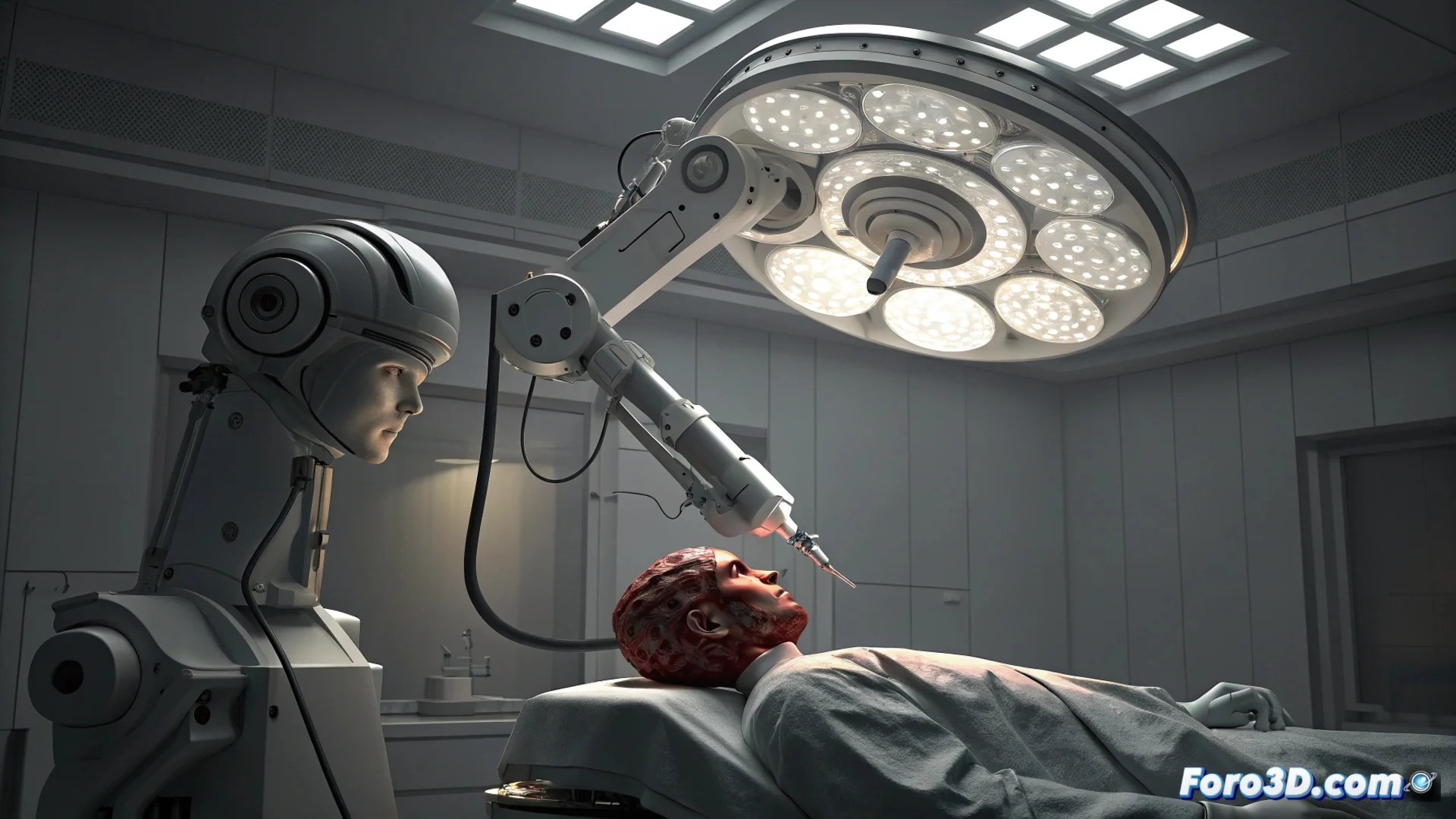
Neuralink Plans to Produce Thousands of Brain Chips by 2026
The company Neuralink, founded by Elon Musk, has set 2026 as a decisive milestone. Its goal is to move from the experimental phase to manufacturing thousands of its neural interface devices, meeting the demand from trials and future patients. This leap is vital for the technology to reach conventional medical practice. 🧠
Automating the Implant: The Key to Expansion
To achieve its production goal, Neuralink must not only produce the chips but also optimize how they are implanted. The company is developing a dedicated surgical robotic system. This robot aims to perform the surgery with greater precision and speed, reducing operating time and making the process less dependent on a particular surgeon's expertise. This would facilitate more hospitals adopting the technology.
Advantages of robotic surgery:- Greater consistency: Each implant would be performed under the same accuracy parameters.
- Scalability: It would allow more procedures in less time, crucial for the 2026 plans.
- Accessibility: Medical centers without ultra-specialized surgeons could offer the treatment.
"Our primary mission is medical," states Neuralink, focusing on restoring bodily functions before commercial applications.
Pending Technical and Medical Challenges
The path to full regulatory approval is full of challenges. The main one is to robustly demonstrate that the N1 chip can restore complex physical functions safely and durably. Current clinical trials focus on people with quadriplegia or blindness, aiming for them to control a digital cursor or perceive basic visual stimuli.
Focuses of clinical trials:- Mobility: Enable people with paralysis to control external devices with their thoughts.
- Vision: Create a form of basic "artificial vision" for those who have lost their sight.
- Long-term safety: Evaluate the biocompatibility and stability of the implant over years.
Between Expectation and Real Application
As Neuralink advances toward its medical goals, there is public debate about its potential uses. Some speculate on applications like posting on social media with the mind. However, the company insists that its absolute priority is to solve serious medical problems. Success in 2026 will depend not only on being able to produce at scale, but on proving irrefutably that its technology changes the lives of real patients. The future of brain-machine interfaces will be decided in these coming years. ⚡