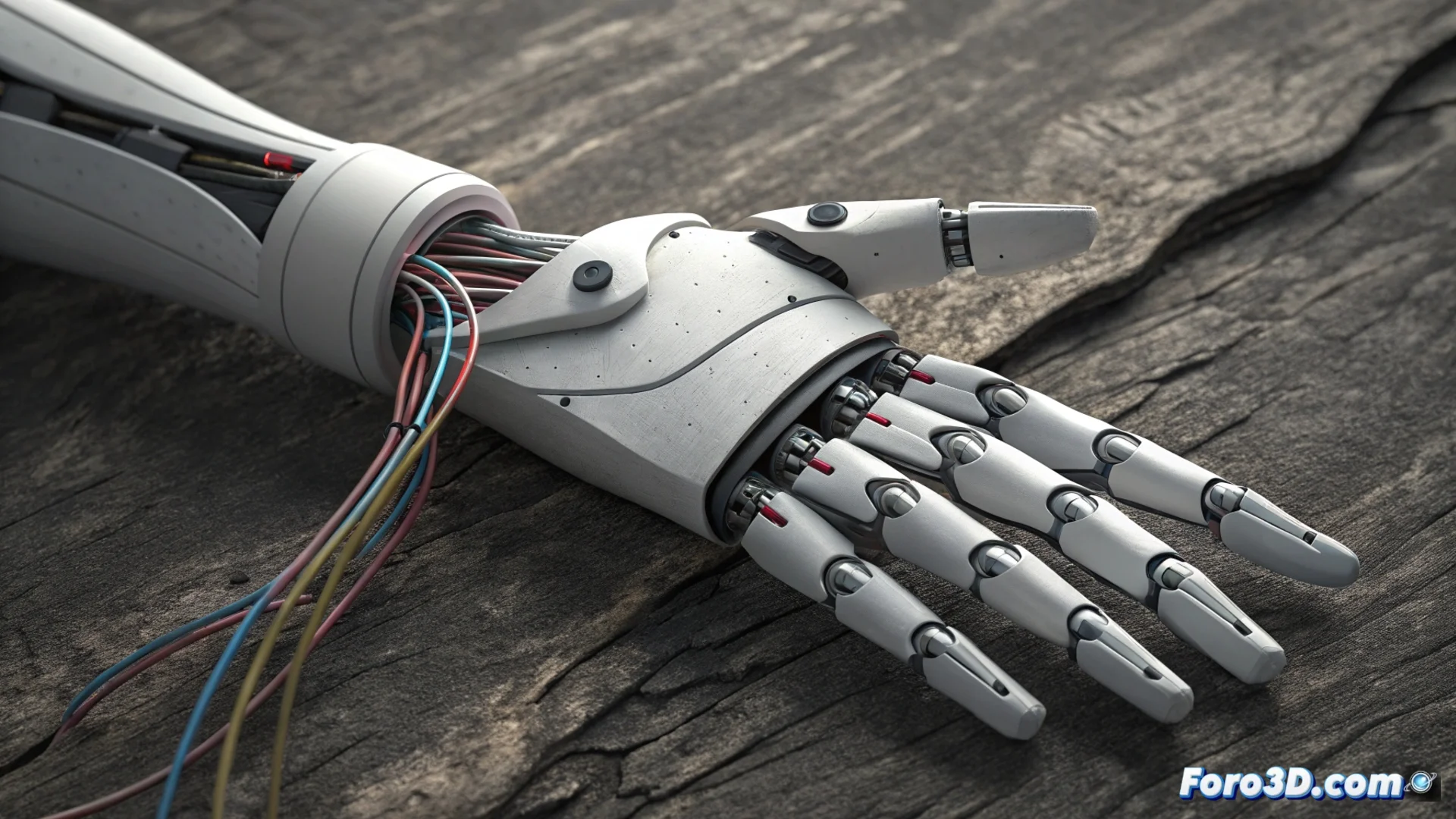
Neural Prostheses That Restore the Sense of Touch
Neuroengineering achieves a milestone by creating systems that allow feeling with an artificial limb. These devices establish a direct link between the prosthesis and the person's nervous system, surpassing traditional mechanical function to offer real perception 👋.
The Mechanism of the Tactile Brain-Machine Interface
The process begins when sensors in the fingers of the artificial hand capture information about force or vibration when touching an object. A microprocessor translates this data into precise patterns of electrical stimulation. These patterns are sent to implanted electrodes in the peripheral nerves or in the somatosensory cerebral cortex, which activate the corresponding nerve fibers. The brain interprets these signals as natural touch sensations.
Key Components of the System:- Tactile Sensors: Capture physical data from the environment, such as the pressure exerted on an object.
- Signal Processing Unit: Transforms sensor information into electrical impulses that the nerve can understand.
- Electrode Array: Surgically implanted to stimulate specific points in the neural tissue.
The greatest achievement is not that the hand holds an egg, but that the user perceives the vertigo of it about to fall.
Technical Obstacles and Future Direction
Maintaining the interface's functionality long-term is a major challenge. The body can form scar tissue around the electrodes, isolating the connection. To address this, biocompatible materials and more flexible electrode designs are being researched. Another goal is to increase resolution, so users can distinguish between a wider range of textures and pressure levels.
Priority Development Areas:- Biocompatibility: Create interfaces that the body does not reject over time.
- High-Definition Signals: Achieve a system that transmits more sensory nuances.
- Integration with Motor Control: Combine this technology with myoelectric control prostheses to unite movement and sensation.
The Impact of Feeling Again
This real-time sensory feedback completely changes how a person uses their prosthesis. It allows intuitive adjustment of grip strength and perception of whether an object is hard, soft, rough, or smooth. The future points to systems that fuse intuitive control with complete tactile perception, bringing the experience closer to that of a biological limb 🤖➡️🧠.