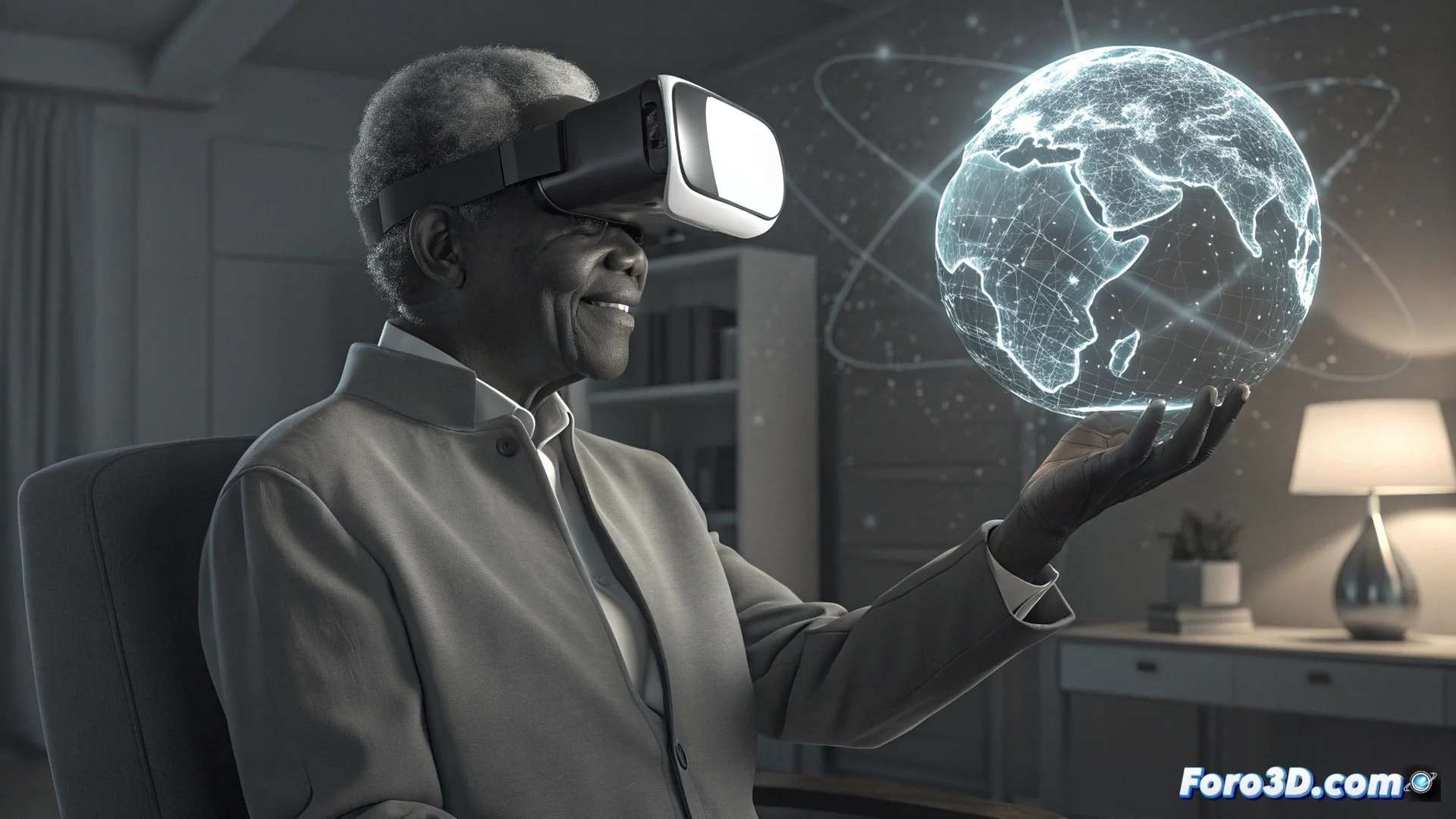
If Nelson Mandela Lived Today, He Would Use Technology to Heal Global Conflicts
Imagining the legacy of Nelson Mandela in the digital age presents a fascinating scenario. His core philosophy of listening to heal would find a powerful ally in today's technological tools. His approach would transcend national borders to address planetary-scale divisions, integrating digital innovation with profound humanism. 🌍
The Vision of a Digital Truth and Reconciliation Commission
The core of this proposal is a global platform that operates with immersive virtual reality. This system does not seek to replace human contact, but to create new and powerful channels for it to occur. It would connect individuals from conflicting groups within virtual environments designed to be safe and neutral, eliminating initial physical and historical barriers.
Key mechanisms of the platform:- Use recorded testimonies in immersive VR so users can experience narratives from a first-person perspective.
- Implement empathy algorithms that analyze language and physiological responses to guide and improve dialogues.
- Create a digital historical archive accessible with all testimonies, allowing long-term study of conflict and reconciliation patterns.
Technology can simulate a bridge, but people must decide to cross it.
How Algorithms Work to Facilitate Dialogue
These specialized algorithms play the role of facilitator. They process data in real time during virtual interactions. Their goal is not to dictate the conversation, but to suggest questions or change topics that can reduce tension and help build mutual understanding.
Processes executed by the algorithms:- Measure empathy and tension indicators during exchanges in the virtual space.
- Propose dynamics or questions that foster understanding beyond ideological barriers.
- Connect participants with histories or perspectives that can generate constructive dialogue.
The Balance Between the Digital and the Human
A valid criticism is that a human problem requires a human solution. It is true that a virtual handshake lacks the tangible weight of a real one. This humanistic technology is conceived as a catalyst, not as a substitute. Its value lies in being able to bring together those who are physically or ideologically distant, initiating a process that must then continue in the real world. The digital tool prepares the ground, but the final act of reconciliation will always be deeply human. ✨