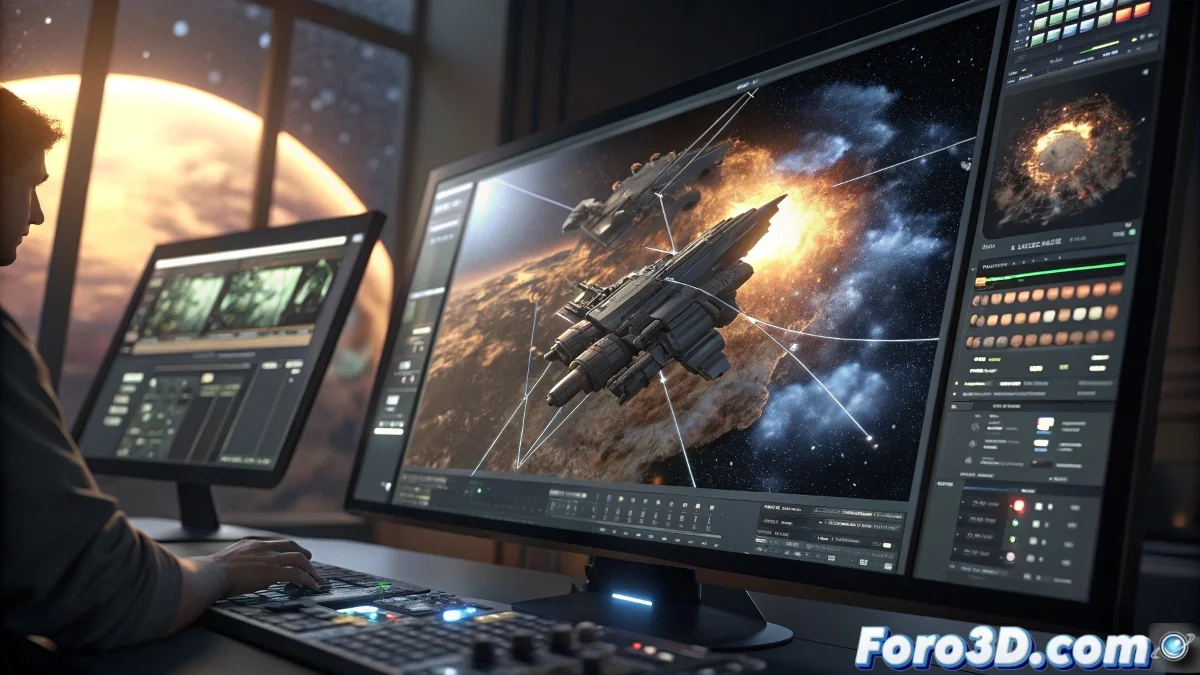
The Open Source Alternative in Professional Compositing
In the universe of visual effects and post-production, Natron emerges as that option that demonstrates technical excellence doesn't always require million-dollar investments. This digital compositing software, inspired by the renowned Nuke, offers a node-based working environment where artists can create complex visual integrations. Its open-source philosophy makes it a valuable ally for independent studios and training artists.
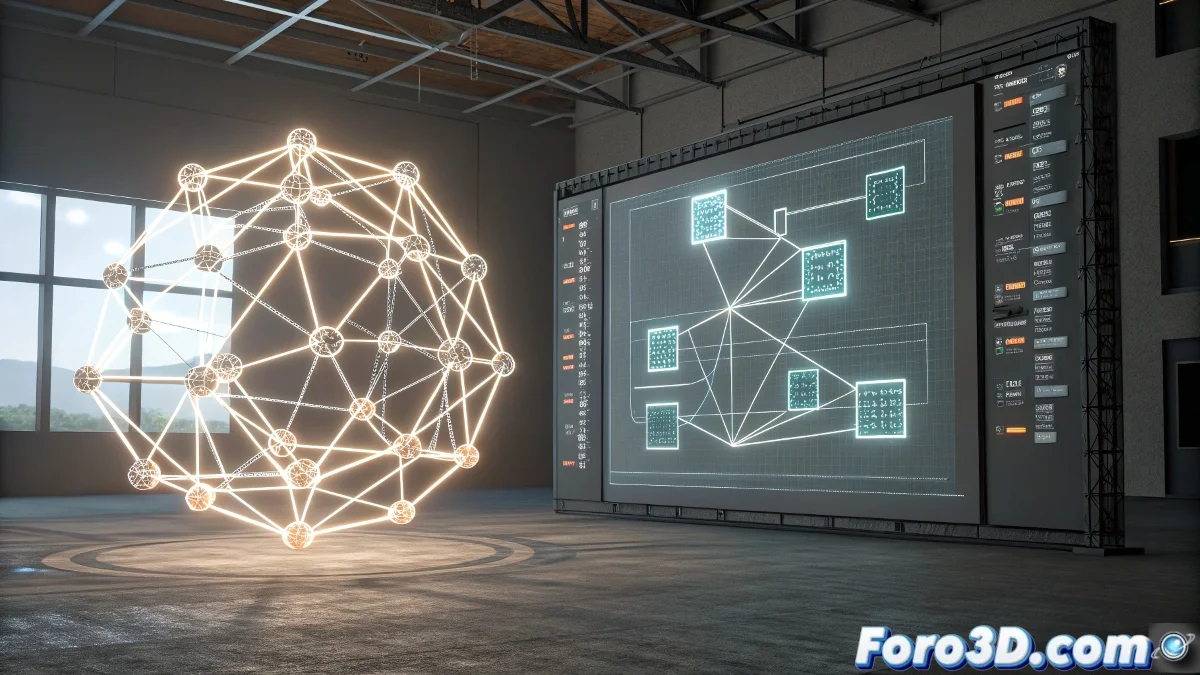
The nodal interface of Natron allows building visual processing trees where each operation is represented as an interconnected node. This approach provides precise control over each stage of the compositing process, from basic color corrections to the most complex integrations of CGI elements into real footage. The system's flexibility allows reorganizing and adjusting operations with a freedom that traditional layer-based interfaces cannot match.
Outstanding Technical Capabilities
- Advanced keying system for clean background extraction
- 2D tracking tools and image stabilization
- Professional color correction with curves and levels
- 3D integration for compositing with three-dimensional elements
Intuitive Nodal Workflow
The artist who delves into Natron quickly discovers the powerful logic behind nodal compositing. Each modification, filter, or adjustment becomes a specific block that can be reconnected, duplicated, or animated independently. This modularity facilitates experimentation and fine-tuning without compromising previous work. Multiple viewports allow comparing different versions or viewing the same frame with different applied corrections.
The true power of Natron is revealed when the nodes start conversing with each other.
One of the most valued aspects is the ability to create custom tools through node groups that can be reused in different projects. Artists can develop their own libraries of specific effects, optimizing recurring workflows. The community around the project constantly contributes with plugins and scripts that expand the software's native capabilities.
Applications in Real Production
- CGI integration into real video plates
- Color correction and cinematic grading
- Element compositing for complex visual effects
- Material preparation for animation pipelines
For those coming from other compositing solutions, the transition to Natron is natural thanks to its compatibility with industry standards. Support for professional file formats and wide color spaces ensures it can integrate into existing production pipelines. Although it may lack some advanced features of its commercial competitors, it more than covers the needs of ninety percent of projects.
Those who believe professional software must cost thousands of euros probably haven't explored what Natron can achieve in expert hands 🎬
You can learn more about the topic: here