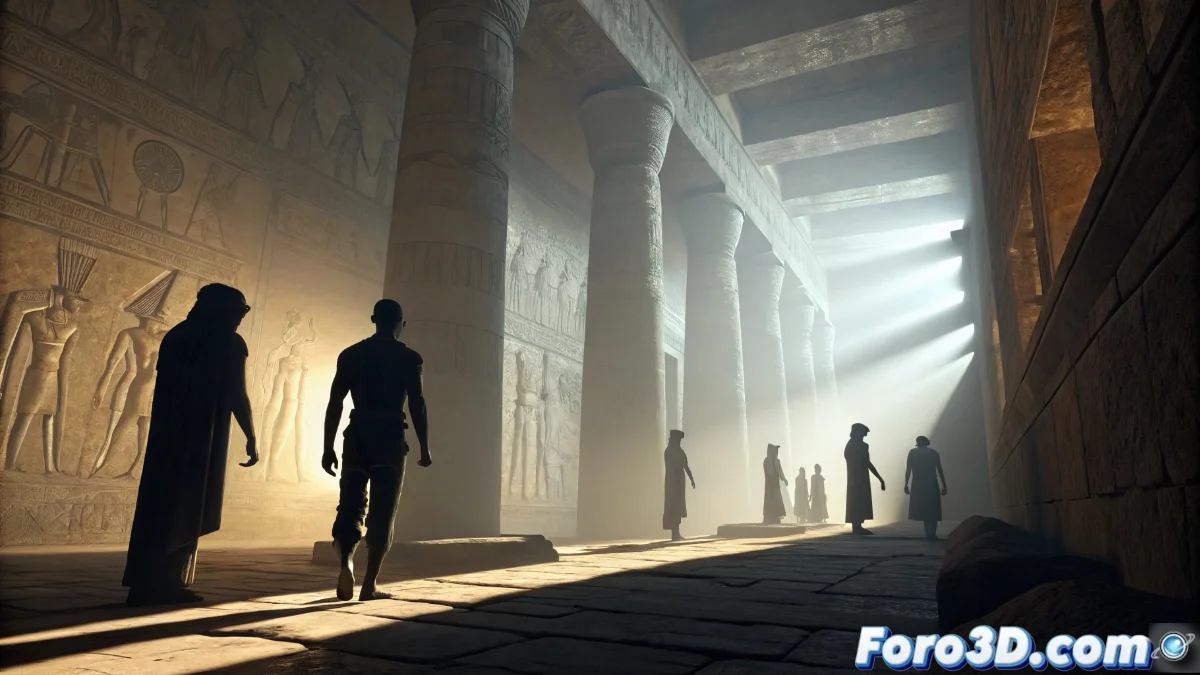
Narrative Shadows in 3D Art: More Than Simple Projections
In the universe of three-dimensional design, silhouette projections have evolved from their basic function of representing the absence of light to becoming sophisticated narrative instruments. These dark and precisely outlined shapes convey meanings that go beyond the visible, hinting at temporal events and charging scenes with complex emotional contexts that the viewer must decipher. 🎭
Mastering the Technique in Contemporary Graphics Engines
The implementation of shadows with narrative purpose requires a specialized technical approach where lighting and rendering systems collaborate closely. In platforms like Unreal Engine and Unity, artists configure advanced directional lights combined with high-definition shadow maps that capture profiles of objects that are physically not present in the scene.
Essential Technical Elements:- Custom shaders that give ethereal and ghostly qualities to the projections
- Post-processing techniques that differentiate these narrative shadows from conventional ones
- Silhouette capture systems that preserve definition even with removed objects
True mastery in narrative shadows lies in projecting absences that speak louder than visible presences
Creative Applications in Diverse Interactive Media
This strategic visual resource finds its maximum expression in genres where setting and suspense are crucial. Mystery video games and graphic adventures use these eloquent shadows as environmental clues that guide the player's experience without explicit dialogues.
Notable Implementations:- In animated cinematography: they reveal past traumas or anticipate crucial plot twists
- In virtual reality: they create overlapping temporal layers that enrich immersion
- In interactive experiences: they allow discoveries through spatial exploration
The Power of the Invisible in Visual Storytelling
The most fascinating creative paradox of this technique lies in demonstrating that to tell complex and profound stories, sometimes we need fewer visible elements and more strategically projected absences. In the 3D design ecosystem, what is suggested through shadows can generate a much more powerful emotional impact than what is openly shown, transforming simple dark projections into windows to alternative temporal dimensions that challenge conventional perception of space and time. ✨