Narrative Improvisation in Drawing as a Creative Technique
Narrative improvisation represents a fascinating fusion between visual creation and the construction of spontaneous stories, allowing artists to develop their abilities in an organic and expressive way. This methodology is based on the direct connection between imagination and manual execution, where each line and shape contributes to a visual plot that emerges during the creative process 🎨.
Fundamentals of Improvised Visual Creation
The process begins by establishing a simple initial element that functions as a narrative seed: a schematic character, a significant object, or a suggestive environment. From this creative seed, the artist develops the story by incorporating visual components spontaneously, responding to questions like what happens next or how the elements interact with each other. This approach requires maintaining an open and receptive mindset, allowing the narrative to evolve unpredictably while exercising the ability to make quick decisions about composition, perspective, and emotional expression ✏️.
Key Elements of the Process:- Simple starting point that acts as the initial narrative seed
- Spontaneous development by responding to questions about evolution and interactions
- Open mindset that allows unpredictable and authentic developments
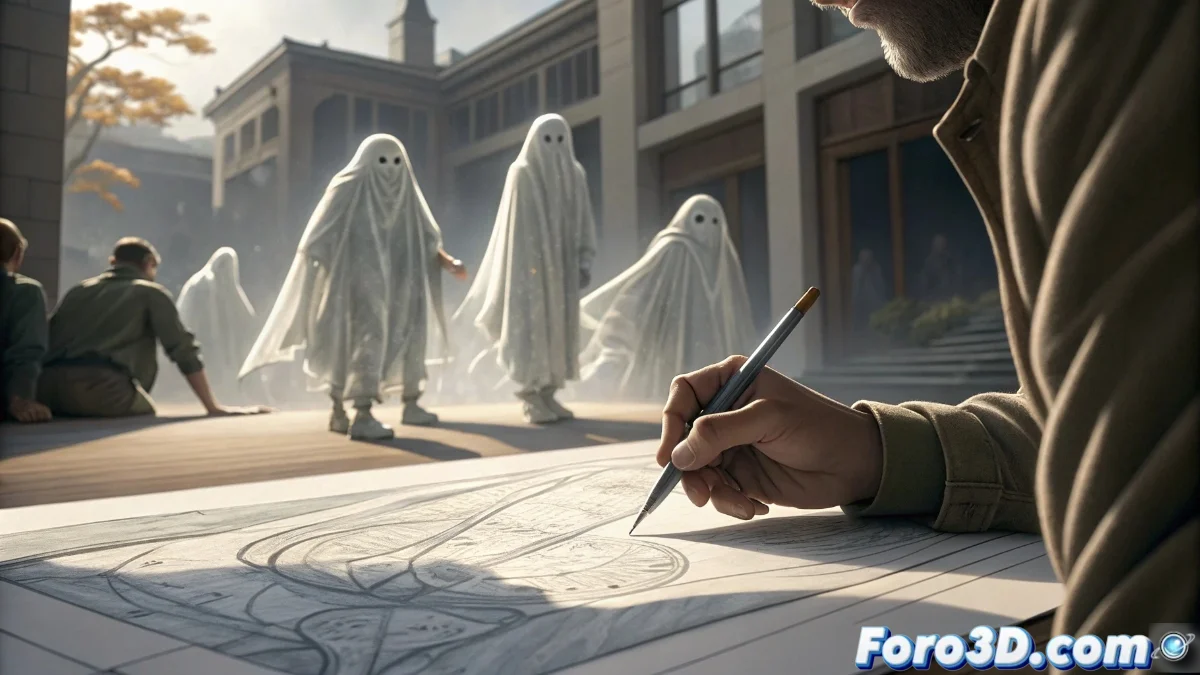
The true magic happens when the characters come to life on their own and begin to write their own story, challenging our initial expectations.
Integral Development of Artistic Skills
Constant practice of this narrative technique simultaneously strengthens the ability to tell stories and technical drawing skills, as the artist learns to communicate emotions, actions, and relationships through purely visual elements. Improvisation teaches working with time and resource constraints, developing the mental agility necessary to create coherent images under pressure. Numerous creators discover that this method helps them find their unique artistic voice, as the stories that emerge naturally reflect their interests, concerns, and personal perspectives in an authentic way 🚀.
Main Benefits:- Simultaneous strengthening of narrative skills and technical drawing abilities
- Development of mental agility for creating under pressure and constraints
- Discovery of personal artistic voice through authentic expression
The Creative Paradox of Improvisation
The fundamental irony of this technique lies in the fact that, while trying to build a coherent story, your characters frequently develop rebellious personalities that resist following the pre-established script, generating alternative plots that are often more interesting than the original conception. This creative tension between planning and spontaneity constitutes the very heart of the process, where the artist acts both as creator and spectator of their own developing work 🌟.