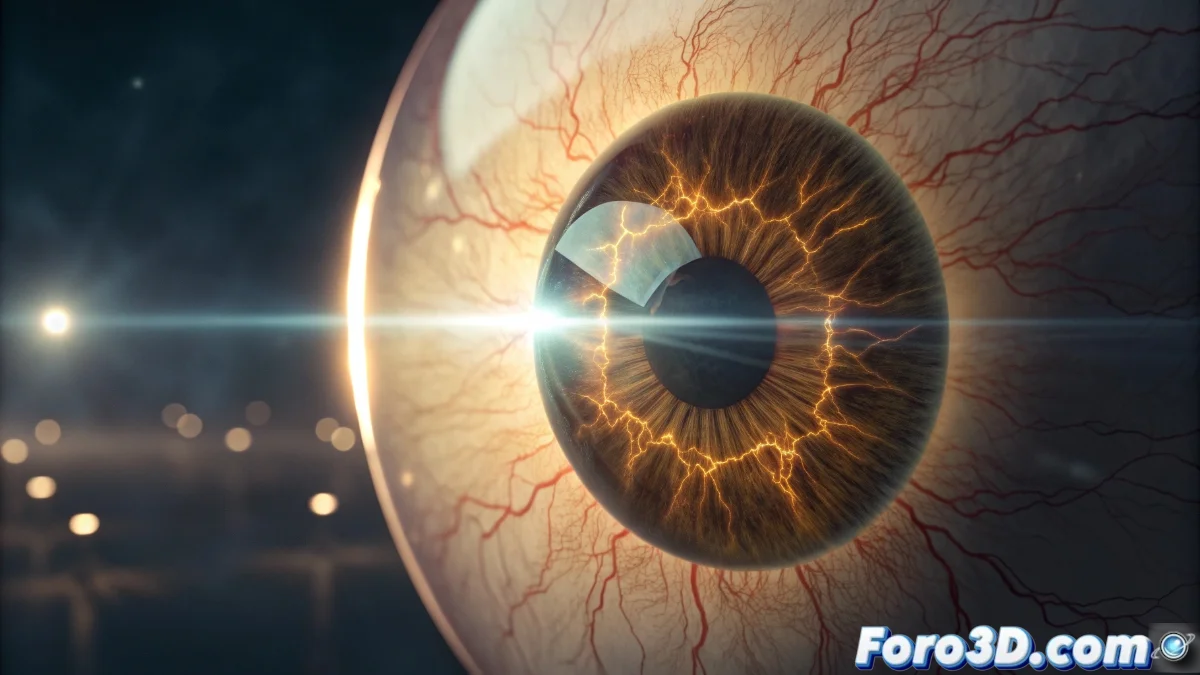
Myopia: Blurry Vision and Visual Correction
Myopia constitutes one of the most common refractive errors that affect distance vision, generating a defocused perception of distant objects while maintaining sharpness in near vision. This visual phenomenon occurs due to modifications in the ocular structure that alter the normal path of light rays 👁️.
Origin and Mechanism of the Visual Problem
The development of this condition is directly related to the morphology of the eyeball. When there is excessive lengthening of the anteroposterior axis or the cornea presents a more pronounced curvature than normal, light rays converge in front of the retina instead of on its surface. This deviation in focus causes the brain to interpret distorted images of elements located at a distance, an inconvenience that frequently manifests during growth stages and can stabilize in adulthood 🧒➡️👨.
Determining Factors in Its Appearance:- Genetic Predisposition: Family history significantly increases the likelihood of developing this condition, especially when both parents are myopic
- Contemporary Visual Habits: Activities that require prolonged focus at short distances, such as intensive use of electronic devices, can accelerate its progression
- Insufficient Light Exposure: Reduction in time outdoors and less reception of natural light are associated with higher prevalence in urban areas
Myopia turns us into experts at deciphering indeterminate shapes at a distance, as if the universe deliberately chooses to blur everything that moves away from us
Evaluation and Available Solutions
Precise diagnosis requires a complete ophthalmological evaluation that includes measurement of visual acuity and refraction tests. Specialists use specific instrumentation such as the phoropter to determine the exact prescription needed to compensate for the refractive defect 🔍.
Visual Correction Options:- Corrective Glasses: Incorporate concave lenses that diverge light rays before entering the eye, redirecting them toward the retina
- Contact Lenses: Perform the same optical function as glasses but with direct placement on the ocular surface
- Surgical Interventions: Laser procedures that permanently modify the corneal curvature to achieve proper focus without external aids
Impact on Environmental Perception
Although myopia facilitates near tasks such as reading small text, it simultaneously transforms distant landscapes into abstract compositions where outlines blend and details fade. This perceptual duality creates a unique visual experience where clarity and blur coexist depending on the distance to the observed object 🌆.