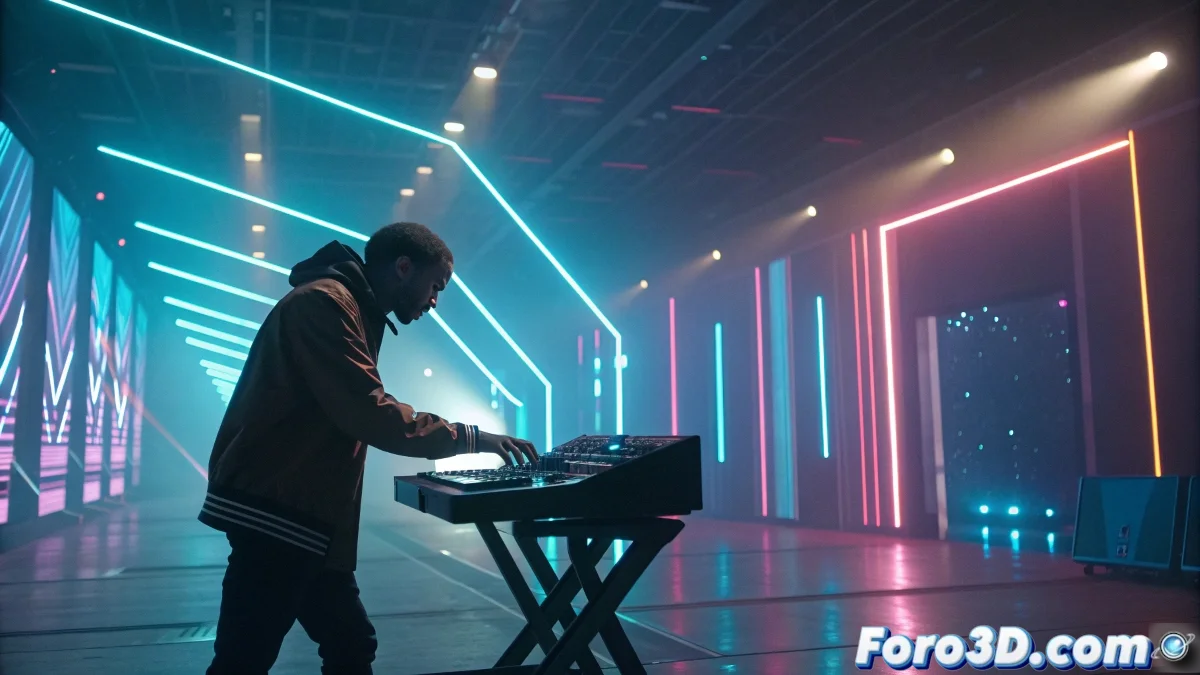
The Eternal Dance Between Music and Visual Effects
The symbiotic relationship between music videos and visual effects has reached levels of sophistication that constantly redefine the boundaries of audiovisual artistic expression. From the modest practical effects of the 80s to today's complex computer simulations, this collaboration has transformed the way we visually experience music. Contemporary artists understand that in the streaming era, a music video is not just an accompaniment, but an essential extension of the musical narrative that can catapult a song to viral stardom.
What makes this evolution fascinating is how technological advances in VFX have democratized visual creativity. Where million-dollar budgets and specialized studios were once required, today independent artists can create stunning visual experiences using accessible software and consumer-grade hardware. This democratization has generated an explosion of stylistic diversity, allowing unique artistic visions to find a global audience without the mediation of major record labels.
Current Trends in the Music-VFX Union
- Perfect integration between live performance and fully digital environments
- Use of artificial intelligence to generate unique visual worlds for each song
- Augmented reality enabling interactive music experiences
- Fluid particle simulations that dance to the rhythm of the composition
Technology as a Visual Musical Instrument
The most innovative music video directors are treating visual effects not as embellishments, but as fundamental narrative elements that amplify the emotional intent of the music. Advances in real-time rendering allow artists to interact with digital elements during filming, creating more organic performances where the singer's gestures can literally shape the visual environment. This real-time integration is eliminating the traditional barrier between filming and post-production.
VFX in music have evolved from special effects to the visual language of musical emotions
The perfect synchronization between visual elements and specific musical components represents one of the most significant developments. VFX artists now work closely with sound engineers to ensure that every particle explosion, scene transition, and visual space deformation occurs in perfect sync with beats, melodies, and harmonic changes. This rhythmic attention to detail transforms music videos into cohesive multisensory experiences.
Technical Revolutions That Have Marked Eras
- Digital compositing that allows artists to interact with impossible worlds
- Motion capture that translates dance into data to drive visual simulations
- Machine learning to generate unique visual styles based on the musical mood
- Real-time rendering that drastically shortens production times
The future of this collaboration promises even more immersive experiences, with emerging technologies like the metaverse and extended reality poised to fundamentally transform how we consume visual musical content. As streaming algorithms prioritize visually appealing content, the pressure to innovate at the intersection of music and VFX will only intensify, ensuring that this fascinating evolution continues to accelerate in the coming years. 🎵
And so, in the grand concert of digital entertainment, VFX and music videos demonstrate that some of the best artistic collaborations occur when different disciplines learn to dance to the same rhythm. 💃