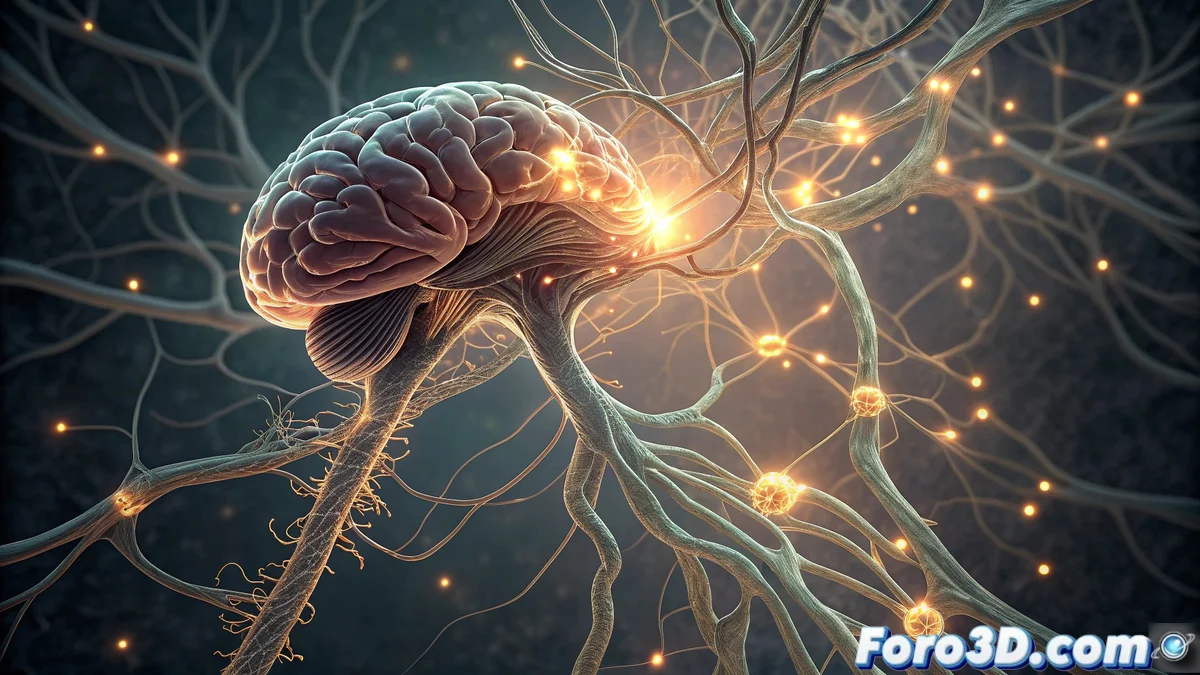
Muscle Memory: The Neurological Mechanism That Automates Our Movements
Our nervous system has a fascinating ability to automate movements through a process known as muscle memory. This phenomenon allows us to perform complex activities without needing to focus on every detail, from playing the piano to practicing high-competition sports 🧠.
Neurophysiological Foundations of Motor Automation
The constant repetition of any physical action generates structural changes in our brain. The synaptic connections progressively strengthen in specialized regions such as the cerebellum and basal ganglia, creating highly efficient neuronal circuits that require less conscious effort.
Key Processes in the Formation of Muscle Memory:- Creation of specialized neuronal patterns called motor engrams
- Myelination of nerve fibers that accelerates signal transmission
- Optimization of coordination between muscle groups and joints
The human brain prefers energy efficiency, so it converts conscious movements into automatisms through repetitive practice
Applications in Training and Rehabilitation
This motor learning mechanism is essential in multiple areas of life. Athletes perfect complex techniques, musicians develop instrumental dexterity, and people in recovery can regain lost skills thanks to neural plasticity 🏃♂️🎹.
Areas Where Muscle Memory is Crucial:- Development of high-precision sports skills
- Recovery of motor functions after neurological injuries
- Automation of everyday tasks like writing or driving
The Duality of Established Automatisms
Although muscle memory provides us with fluency and efficiency, it can also become an obstacle when we try to modify deeply ingrained motor habits. Our nervous system shows resistance to change, preferring known patterns over the effort required to learn new movement sequences 🔄.