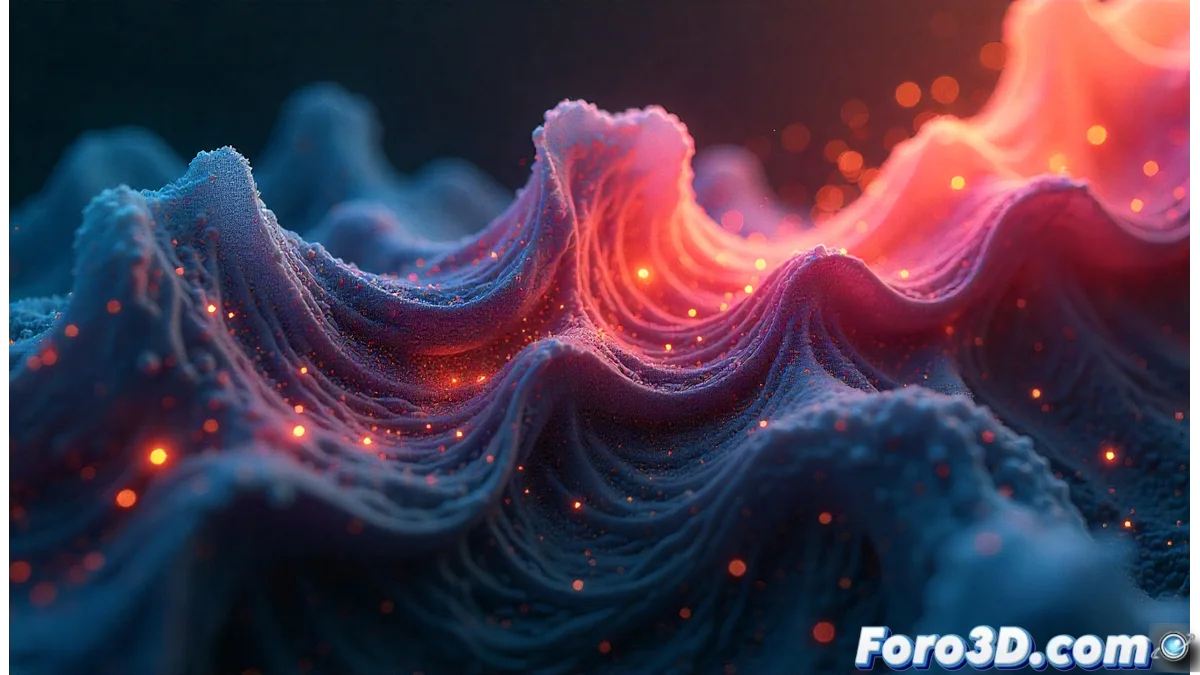
Multichannel Workflows in Modern Graphic Design
The evolution of traditional graphic design has given way to more sophisticated methodologies where multichannel workflows have become the standard for complex projects. While previously we were mainly limited to RGB and RGBA color spaces, current requirements demand handling multiple information channels simultaneously to achieve professional results 🎨.
Advantages of the Multichannel Approach in Production
Each render pass represents an independent channel containing specific scene data. This approach allows for unprecedented control during compositing and post-processing phases, particularly in advanced PBR pipelines where numerous texture maps are combined to build visually rich and physically accurate materials.
Applications in Modern Render Pipelines:- Automatic material classification based on their visual properties using specialized systems
- Proactive detection of inconsistencies in lighting and textures before final reviews
- Intelligent organization of asset libraries through multichannel feature analysis
Efficient models for processing multiple channels find direct application in automating repetitive tasks within production pipelines, being especially valuable in studios with large volumes of content.
Integration with Established Tools
The transition to multichannel workflows does not require abandoning the applications we already master. Programs like Photoshop, Blender, and Illustrator allow exporting and manipulating individual passes that can be processed externally using scripts or specialized plugins 🔧.
Practical Implementation Strategies:- Conceptualize each channel as an independent but interconnected layer of information
- Specific modifications in channels like Z-depth or Emission affect final results in a controlled manner
- Automatic detection of anomalies such as problematic pixels in normal maps that affect shading
The Future of Visual Production
Imagine being able to automatically identify that missing black pixel in your normal map that compromises the shading of your main character, just before the art director spots it during the final review. This predictive capability represents the true potential of multichannel workflows in the contemporary graphic design ecosystem 🚀.