When Artificial Intelligence Learns to Dance
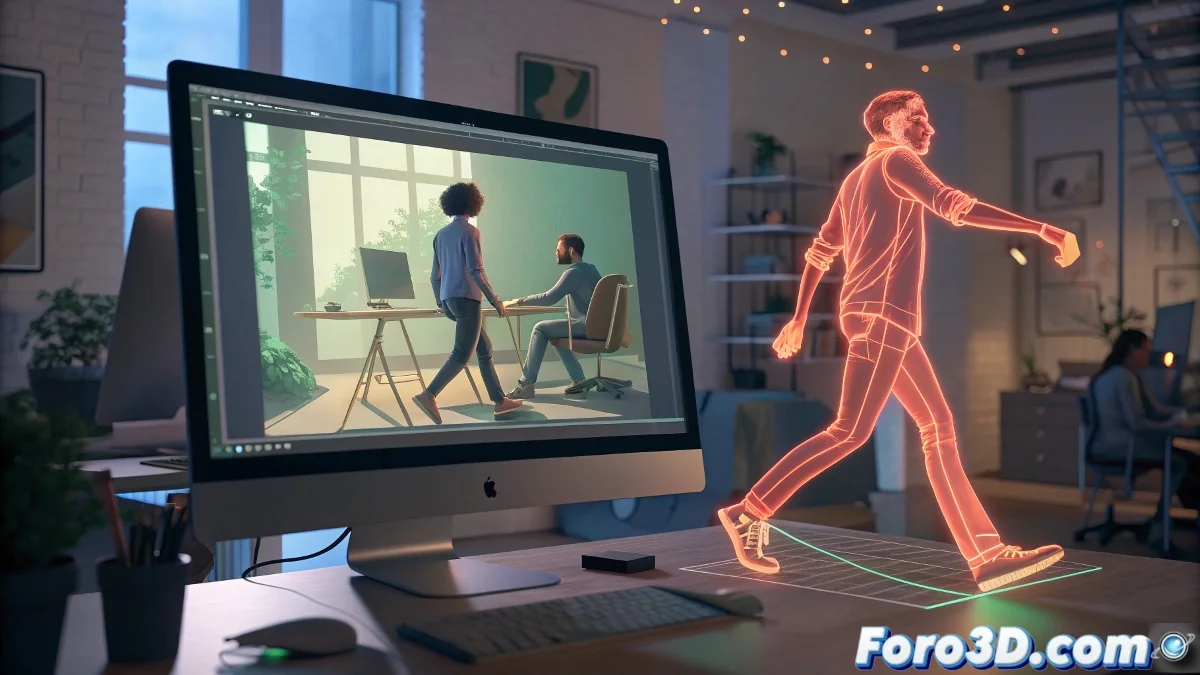
The revolution in motion capture has arrived thanks to platforms like DeepMotion, which use artificial intelligence algorithms to transform simple 2D videos into fully articulated 3D animations. This technology is radically democratizing a process that traditionally required expensive mocap suits, rooms equipped with dozens of infrared cameras, and specialized equipment that only large studios could afford. Now, with a smartphone camera and an internet connection, anyone can generate professional animations.
The process is remarkably simple on the surface but extraordinarily complex behind the scenes. The AI algorithms analyze the input video frame by frame, identifying key points of the human body and reconstructing its three-dimensional movement. What makes systems like DeepMotion particularly impressive is their ability to infer 3D information from 2D sources, solving the fundamental problem of lost depth through contextual understanding of human motion.
Advantages Over Traditional Systems
- Complete elimination of mocap suits and physical markers
- Compatibility with any camera from smartphones to professional cameras
- Cloud processing that requires no specialized local hardware
- Automatic retargeting to different 3D skeleton proportions
The Magical 3D Reconstruction Process
When you upload a video to DeepMotion, the AI performs a multifaceted analysis that begins with pose detection in each frame. Then, using neural networks trained with millions of examples of human movement, the system reconstructs the complete 3D trajectory of each joint. The true genius lies in how it solves occlusions - moments where body parts are hidden - by predicting movement based on learned patterns of human biomechanics.
The best motion capture team now fits in your pocket
The results can be exported to standard formats like FBX or BVH, compatible with all major 3D animation software. This means animators can focus on creativity and refinement instead of technical capture. For small or independent studios, this accessibility represents a radical shift in what they can achieve with limited budgets.
Practical Applications in Different Industries
- Independent video game development: character animation on reduced budgets
- Animation production: base for animations later refined by artists
- Education and training: analysis of sports movement or rehabilitation
- Rapid prototyping: testing animated concepts without investment in equipment
The accuracy of these systems continues to improve rapidly. While early versions could have problems with fast movements or loose clothing, current iterations handle everything from complex dances to sports actions with ease. The ability to process multiple people simultaneously opens possibilities for capturing interactions between characters, something that would require extremely complex traditional mocap setups.
Those who thought professional motion capture was reserved for studios with rooms full of cameras probably didn't anticipate that soon the phone in their pocket would be enough 🤖