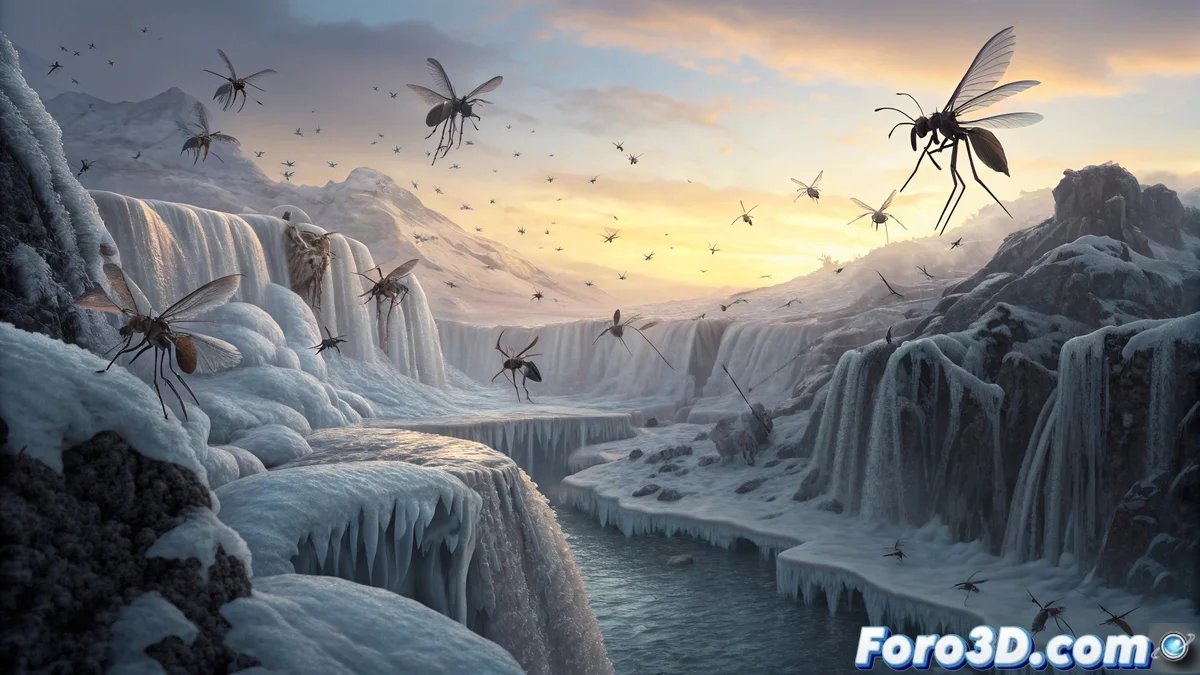
Mosquitoes Challenge the Icelandic Climate in an Accidental Invasion
A mosquito population has managed to arrive in Icelandic territory through accidental transport on ships or aircraft, challenging the natural barriers that have traditionally protected the country from these insects. 🦟
Extreme Weather Conditions
Iceland has a subarctic climate with particularly harsh winters where thermometers can drop to -30°C in specific regions. Mosquitoes require stagnant waters for reproduction and milder temperatures to complete their biological development, conditions that become nonexistent during the winter season.
Main Limiting Factors:- Persistent freezing of potential natural breeding sites
- Inability to develop in intense cold conditions
- Elimination of habitats by snow and ice accumulation
The general conditions in Iceland are too hostile for mosquito proliferation - Entomology expert
Viability of Permanent Establishment
Ecology specialists assess it as highly unlikely that these insects will manage to establish a permanent colony in Icelandic territory. Although some eggs might temporarily survive in sheltered microclimates, the general conditions are too adverse to allow long-term proliferation.
Possible Scenarios:- Temporary survival in protected ecological niches
- Progressive disappearance during winter
- Lack of rapid adaptation to the extreme environment
Future Perspective of the Ecosystem
Without the necessary adaptive capacity for this hostile environment, it is most likely that the mosquito population will progressively decline during the winter months, allowing Iceland to maintain its status as one of the few places on the planet without native mosquitoes. ❄️