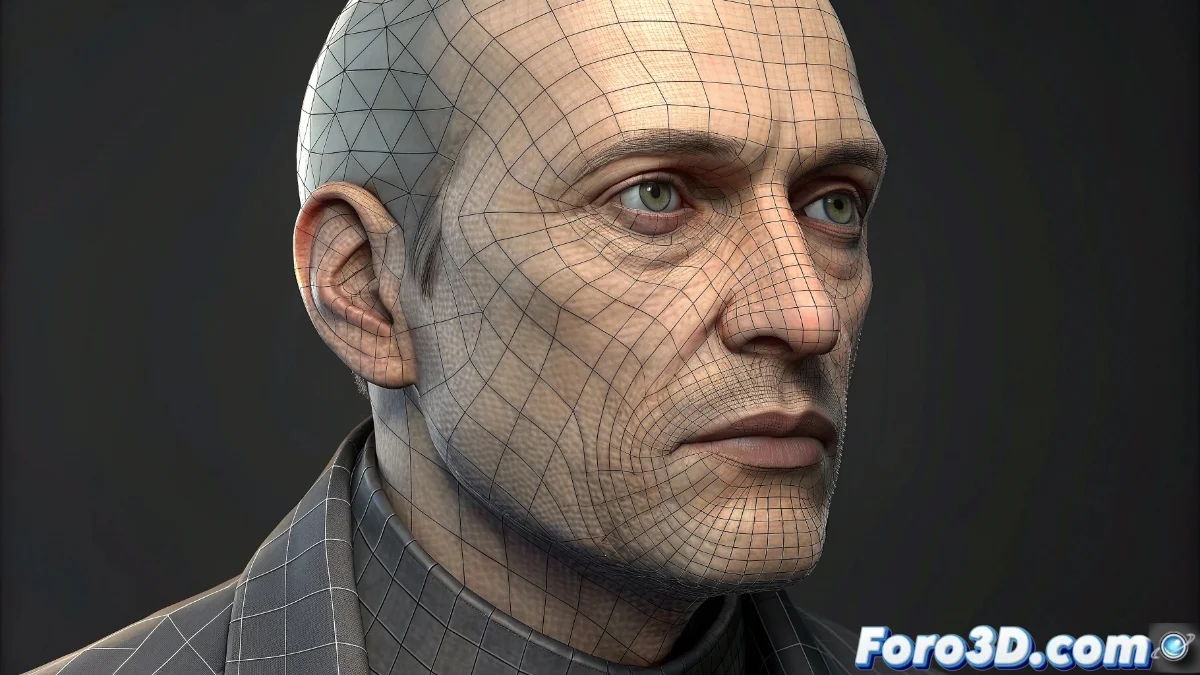
Morph Target Weaving: Advanced Technique for Facial and Body Animation
Morph target weaving constitutes a sophisticated methodology in the field of 3D animation that enables the simultaneous combination of numerous morph targets or blendshapes to produce highly complex facial and body transformations. This approach overcomes the limitations of conventional linear interpolations by intelligently interlacing different deformation states using non-linear blending systems and control via variable weights. Digital artists can thus generate facial expressions that are rich and natural, transitioning fluidly between multiple emotional states, or create anatomically precise muscle deformations that respond to intricate body movements. 🎭
Implementation via Weighted Blending Systems
The practical implementation of morph target weaving is realized through weighted blending systems where each morph target contributes a specific percentage to the global result. Modern animation engines employ interconnected blendshape nodes that allow the establishment of complex networks where the output of one node can feed into the input of another. This nodal architecture enables the creation of composite expressions where, for example, a smile can be integrated with various degrees of eye opening and eyebrow elevation, producing subtle yet visually striking emotional variations.
Main features of the implementation:- Weighting systems that assign specific percentages to each morph target
- Nodal architecture that allows complex connections between blendshapes
- Ability to create composite expressions through dynamic combinations
The real challenge is not creating hundreds of morph targets, but remembering which combination of sliders produces that perfect expression you swore you noted down somewhere.
Applications in Facial and Body Animation
The most relevant applications of morph target weaving are found in facial animation for cinematic productions and video games, where a wide and convincing expressive range is required. Contemporary systems allow storing extensive libraries of base morph targets that represent facial action units, which are dynamically combined during the animation process. For the human body, this technique facilitates the creation of muscle deformations that respond to multiple factors such as joint rotation, muscle contraction, and tissue compression, achieving an anatomical realism difficult to obtain with traditional methodologies.
Highlighted application areas:- Facial animation for high-end cinema and video games
- Creation of base morph target libraries for facial action units
- Realistic muscle deformations that respond to multiple anatomical factors
Practical Considerations for Artists
Successful implementation of morph target weaving requires meticulous planning and a deep understanding of the relationships between different morph targets. Artists must develop organizational strategies to manage the numerous possible combinations, implementing consistent nomenclature systems and detailed documentation of the most effective configurations. Performance optimization is also crucial, especially in projects with technical limitations, where the balance between visual quality and computational efficiency determines the final success of the production. 💡