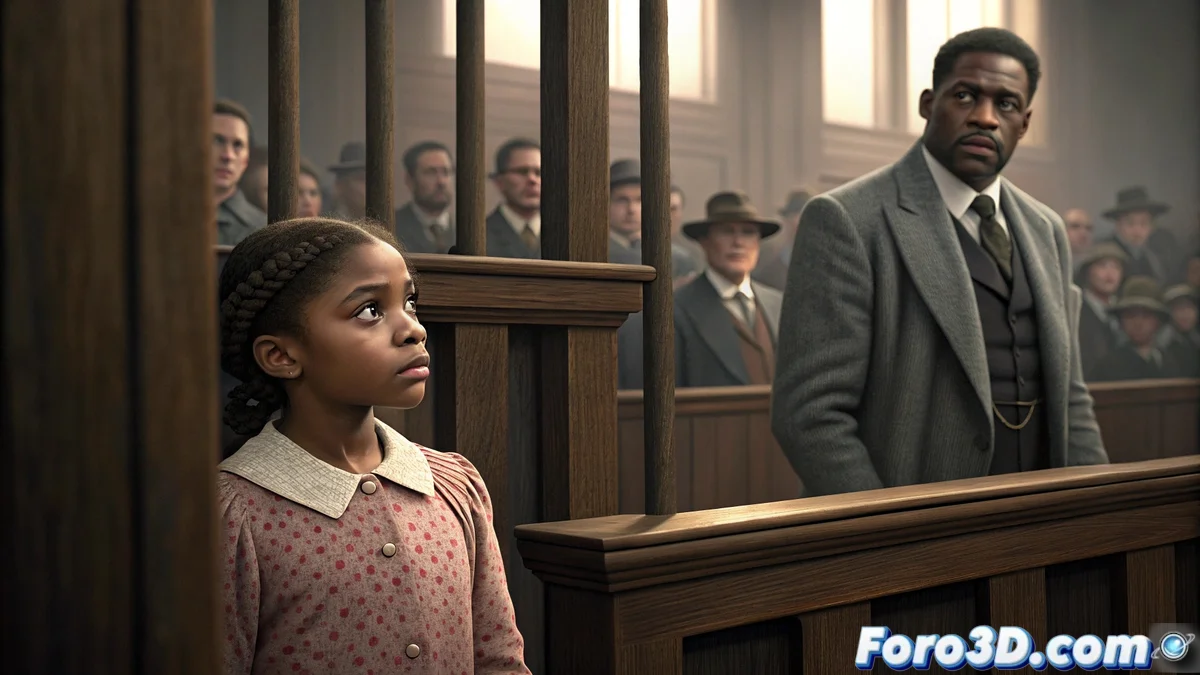
Moral Nuances in Harper Lee's Southern Narrative
Harper Lee's masterpiece transports readers to the heart of Alabama during the 1930s, where Scout Finch's childlike perspective reveals the complexities of a society fractured by deeply racial divisions. Through her naive yet perceptive gaze, we discover how justice can be distorted under the weight of community prejudices. 📚
The Ethical Legacy of Atticus Finch
As the moral pillar of the narrative, Atticus embodies professional integrity by defending Tom Robinson, a black man unjustly accused. His civil courage in the face of widespread hostility becomes a living lesson on ethical principles for his children and the community. The court case serves as a narrative catalyst that exposes the structural flaws of the system.
Key Teachings from Atticus:- Defending ethical principles over social popularity
- The importance of understanding others' perspectives before judging
- Courage as constant action in the face of adversity
"Real courage is knowing you're licked before you begin but you begin anyway and you see it through no matter what" - Atticus Finch
Scout Finch's Moral Transformation
Scout's initiatory journey from childhood innocence to an adult understanding of social inequalities forms the emotional core of the story. Her interactions with marginalized characters like Boo Radley and Calpurnia serve as formative experiences that challenge her initial preconceptions. 👧➡️👩