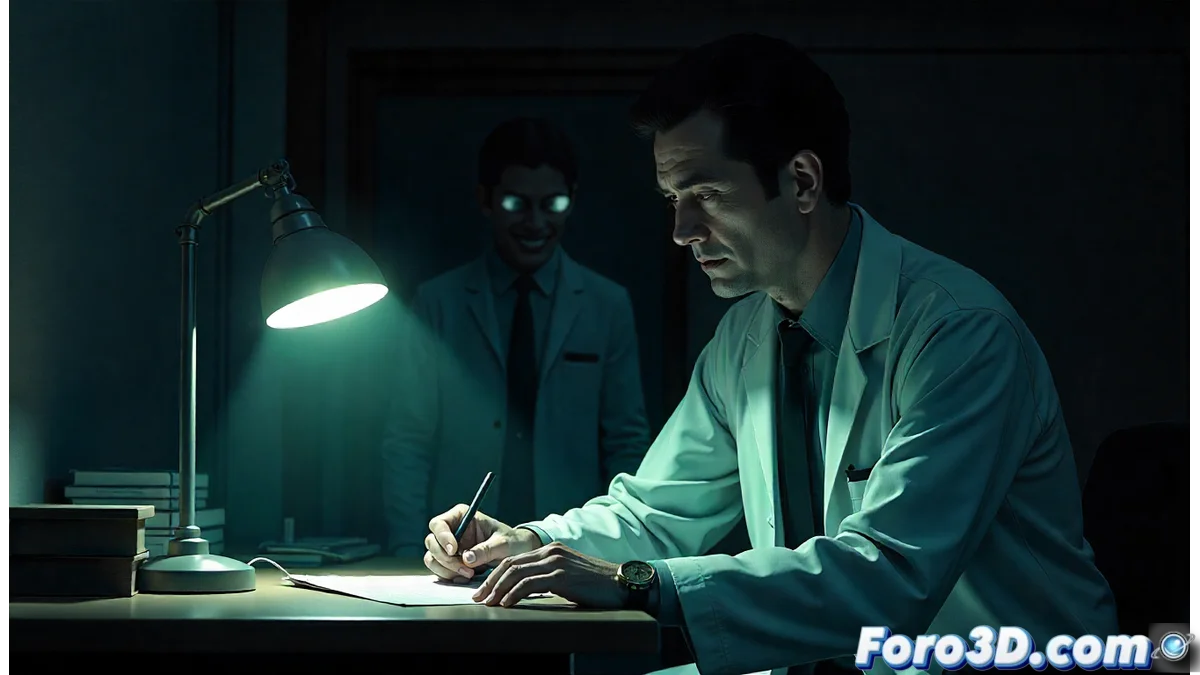
In the universe of suspense manga, few works reach the psychological depth and moral complexity of Monster. Created by the master Naoki Urasawa, this work immerses us in a thriller that questions the very foundations of medical ethics and the nature of human evil. 🏥
The story begins with an apparently simple decision: Doctor Kenzo Tenma, a Japanese neurosurgeon in Germany, chooses to operate on an injured child instead of an important politician. This choice triggers a chain of events that will haunt him for eighteen volumes, turning his life into an obsession to correct his mistake.
Can an act of compassion become the worst mistake of your life?
The anatomy of a perfect villain
The heart of Monster beats in the figure of Johan Liebert, possibly one of the most fascinating antagonists in manga. Urasawa builds this character as a human void, a being capable of manipulating anyone while seeking to understand why evil exists in the world.
Elements that make the work unique:
- international thriller narrative structure 🌍
- deep psychological development of all characters
- realistic setting in post-Berlin Wall Fall Europe
- exploration of childhood traumas and mental programming
Urasawa and the art of moral suspense
What distinguishes Naoki Urasawa is his ability to maintain narrative tension while exploring complex philosophical issues. Each chapter advances the plot while delving into the ethical dilemmas faced by the characters, creating a reading experience that is both intellectually and emotionally intense.
Central themes of the work:
- the conflict between professional duty and moral responsibility
- nature versus nurture in character formation
- the weight of decisions and their unforeseen consequences
- the search for redemption through obsession
The legacy of a masterpiece
Monster transcends the thriller genre to become a profound study of the human condition. The central question is not who Johan is, but why someone like Johan exists and what responsibility we have as a society toward such phenomena.
And so, among German hospitals and Central European landscapes, we discover that the true monster does not always have fangs and claws, but can inhabit behind the most innocent smile. The irony that the work that best defines evil is also a song to the perseverance of human goodness. 🎭